If you want better pacing, smarter intervals, and more consistent training, a cycling watch with heart rate zones can make a real difference. These devices help you stay in the right effort range instead of guessing by feel alone.
In this roundup, we focus on options that pair reliable heart-rate tracking with cycling-friendly features, from wrist-based watches to chest straps and arm bands.
Best 10 Cycling Watch with Heart Rate Zones Picks for 2026
Armband Zone Tracker
COOSPO HW807 Heart Rate Armband

- Color LED heart-rate zone tracking
- Bluetooth 5.0 and ANT+ connectivity
- 20-hour battery with IP67 protection
Best For: Cyclists who want zone alerts from an arm-mounted sensor
Garmin Reliability Pick

- Real-time heart rate and HRV data
- Two strap sizes for better fit
- Up to 1 year battery life
Best For: Garmin athletes who want a durable training strap
Long-Battery Armband

- Zone LEDs for easy training feedback
- Bluetooth 5.1 plus ANT+ support
- Up to 110-hour battery life
Best For: Endurance cyclists who want a lightweight, long-lasting sensor
Simple Training Watch
Timex Ironman Transit+ Heart Rate Watch

- Basic heart-rate and activity tracking
- 100-hour chronograph with lap memory
- Water-resistant to 100m
Best For: Everyday fitness users who want a simple heart-rate watch
Armband Zone Trainer

- 5-color LED zone display
- Bluetooth 5.0 and ANT+ support
- Up to 35 hours battery life
Best For: Cyclists wanting simple zone tracking from an arm-worn sensor
Classic Training Watch

- Easy-touch heart rate monitor
- 7-day activity tracking
- 100-hour chronograph with 10-lap memory
Best For: Riders who want a simple watch for workouts and daily tracking
Long-Life Zone Armband
Ridingmark H100 Heart Rate Monitor

- LED heart rate zone indicators
- Bluetooth 5.0 and ANT+
- 110+ hour battery life
Best For: Cyclists needing long runtime and clear zone feedback
Zone-First Chest Strap Watch
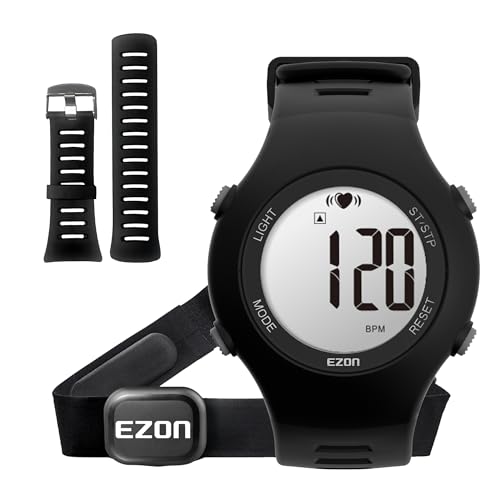
- Precise chest-strap heart rate tracking
- Custom heart rate safety zone with beeps
- 5ATM waterproof with long battery life
Best For: Cyclists who want simple zone alerts and accurate strap-based tracking
Dual-Connection Training Sensor
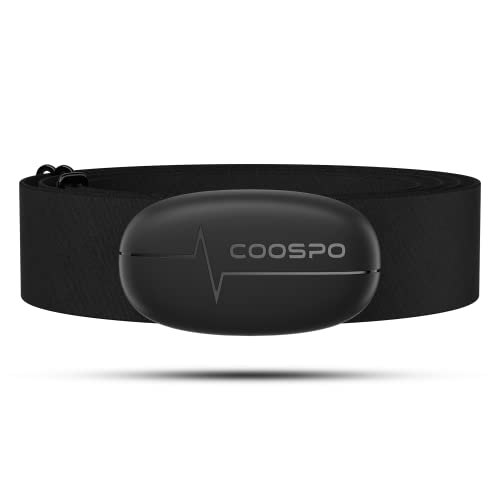
- ±1 BPM heart rate data for training
- Bluetooth 4.0 and ANT+ dual mode
- Works with apps, watches, and bike computers
Best For: Cyclists using apps or bike computers for heart rate zones
Basic Heart-Rate Zone Watch

- Precise chest-strap monitoring for cycling
- Custom safety zone with warning beeps
- Large display with long battery life
Best For: Budget buyers who want simple zone guidance and a clear watch
Armband Zone Tracker – COOSPO HW807 Heart Rate Armband
If you want a cycling watch with heart rate zones setup that works across apps, bike computers, and sports watches, the COOSPO HW807 is built for that role. It uses an optical sensor for real-time heart rate tracking, shows zone status with LED colors, and connects through Bluetooth 5.0 or ANT+ for broad compatibility.
Best For: Riders who want zone feedback from an arm-worn heart rate monitor that pairs with Garmin, Wahoo, Strava, Peloton, and more.
Pros:
- HR zone tracking with color LED indicators
- Bluetooth 5.0 and ANT+ support for wide device compatibility
- Up to 20 hours of battery life
- IP67 rating for rainy-day training
Cons:
- Not recommended for swimming
- No built-in watch display or GPS
Overall, this is a practical pick if your priority is accurate zone-based heart-rate data rather than a full watch. The included compatibility with cycling computers and popular training apps makes it easy to slot into an existing setup.
Garmin Reliability Pick – Garmin HRM 200 Chest Strap
For a cycling watch with heart rate zones setup, the Garmin HRM 200 is a straightforward chest strap option that sends real-time heart rate and heart rate variability data to compatible Garmin watches, cycling computers, fitness equipment, and apps. It focuses on dependable sensor data and a comfortable fit rather than extra workout features.
Best For: Garmin users who want a durable chest strap for accurate heart-rate zone training.
Pros:
- Transmits real-time heart rate and HRV data
- Comfortable strap with two size options
- Up to 1 year of battery life
- Machine washable and water rated to 3 ATM
Cons:
- Works best within the Garmin ecosystem
- No display or onboard training metrics
This is the most no-nonsense option in the group if you already use Garmin gear. It is designed for reliable zone-based training data and long-term convenience, not extra bells and whistles.
Long-Battery Armband – CYCPLUS H1 Heart Rate Armband
If you need a cycling watch with heart rate zones alternative that stays on for long sessions, the CYCPLUS H1 is an arm-based monitor with Bluetooth 5.1 and ANT+ support. It gives real-time heart-rate readings, zone color indicators, and broad compatibility with cycling computers, sports watches, and fitness apps.
Best For: Endurance riders who want a comfortable arm strap with very long battery life and zone feedback.
Pros:
- Heart-rate zone tracking with colored LED indicators
- Bluetooth 5.1 and ANT+ connectivity
- Up to 110 hours of battery life
- Fast magnetic charging and IP67 protection
Cons:
- Armband format may not suit riders who prefer a chest strap
- No built-in watch features or display
For long rides and frequent training, this model stands out mainly because of stamina. The zone indicators and dual-mode wireless support make it easy to use with a cycling computer or compatible watch without adding much fuss.
Simple Training Watch – Timex Ironman Transit+ Heart Rate Watch
If you want a cycling watch with heart rate zones style device that keeps things simple, the Timex Ironman Triathlon Transit+ offers basic heart-rate tracking plus activity features in a compact digital watch. It is aimed more at everyday training and fitness tracking than advanced connected zone analysis.
Best For: Users who want a straightforward watch with heart-rate monitoring, activity tracking, and strong water resistance.
Pros:
- Easy-touch heart rate monitor
- 7-day activity tracking for calories, steps, and distance
- 100-hour chronograph with 10-lap memory
- Water-resistant to 100m
Cons:
- Heart rate tracking is basic compared with dedicated chest straps or armbands
- Fewer cycling-specific training features than sensor-first options
This is the most watch-like option here, but it is also the least specialized for structured zone training. It makes sense if you want a durable everyday fitness watch with heart-rate capability and don’t need advanced cycling analytics.
Armband Zone Trainer – COOSPO HW9 Heart Rate Monitor
If you want a cycling watch with heart rate zones setup that can also work as a dedicated arm sensor, the COOSPO HW9 is built for zone-based training. It uses optical heart rate tracking with LED zone indicators, supports Bluetooth 5.0 and ANT+, and pairs with bike computers, apps, and training devices for flexible ride data.
Best For: Cyclists who want readable heart rate zone feedback, long battery life, and broad app/device compatibility.
Pros:
- 5-color LED indicator shows heart rate zones at a glance.
- Optical sensor is rated for about ±1 BPM accuracy and includes calorie tracking.
- Bluetooth 5.0 and ANT+ support works with GPS bike computers, apps, and running watches.
- Up to 35 hours of battery life with magnetic charging.
Cons:
- It’s an armband sensor, not a full watch with onboard workout features.
- Default max heart rate is 200 bpm unless customized in the app.
Overall, the HW9 is a practical pick if your priority is clear heart rate zone monitoring during rides rather than a feature-heavy smartwatch. Its comfort-focused design and wide compatibility make it easy to slot into a cycling training setup.
Classic Training Watch – Timex Ironman Transit+ 33mm
For riders who prefer a straightforward cycling watch with heart rate zones features in a classic digital format, the Timex Ironman Transit+ focuses on essentials. It includes an easy-touch heart rate monitor, activity tracking for calories, steps, and distance, plus stopwatch and timer tools that fit basic training sessions.
Best For: Cyclists who want a simple, durable training watch with heart rate sensing and everyday activity tracking.
Pros:
- Easy-touch heart rate monitor for basic training feedback.
- 7-day activity tracker measures calories, steps, and distance.
- 100-hour chronograph with 10-lap memory for workouts and intervals.
- Water-resistant to 100m and includes INDIGLO light-up dial.
Cons:
- Does not list explicit heart rate zone display or advanced zone coaching.
- Fitness features are more basic than a modern training smartwatch.
This is a solid option if you want a reliable, no-fuss watch for ride timing and general heart rate tracking. It’s better suited to simple training than to athletes who need detailed zone analytics.
Long-Life Zone Armband – Ridingmark H100 Heart Rate Monitor
If you’re shopping for a cycling watch with heart rate zones functionality but want an arm-mounted sensor instead, the Ridingmark H100 stands out for battery life and easy zone visibility. It uses optical heart rate tracking, connects over Bluetooth 5.0 and ANT+, and shows zone status with color LEDs that are easy to read mid-ride.
Best For: Cyclists who need long battery life, sweat-resistant construction, and quick zone feedback during training.
Pros:
- Heart rate zone monitoring uses clear LED color cues.
- Bluetooth 5.0 and ANT+ connect to cycling computers, smartphones, and sports watches.
- Rated for over 110 hours of battery life on a 30-minute charge.
- IPX6 waterproofing handles rain and sweat during outdoor rides.
Cons:
- Not suitable for swimming.
- It is an armband sensor, so it won’t replace a full-featured watch display.
The H100 is a strong training companion if you value endurance and simplicity over smartwatch extras. For cyclists, the combination of long runtime, dual wireless support, and visible zone cues makes it easy to use across many sessions.
Zone-First Chest Strap Watch – EZON T037 Heart Rate Watch
If you want a cycling watch with heart rate zones that keeps training simple, this EZON combo focuses on accurate chest-strap readings and easy on-wrist feedback. It lets you enter age, gender, and weight, then customize a heart rate safety zone so you can see when effort is drifting too high during rides or other workouts.
Best For: Riders and fitness users who want straightforward zone-based heart rate tracking without relying on a phone or smartwatch.
Pros:
- Chest strap provides precise heart rate monitoring for cycling, treadmill work, and outdoor runs.
- Customizable safety zone with audible beeps every 10 seconds if you exceed the set range.
- Large display makes it easy to check heart rate and calorie estimates at a glance.
- 5ATM waterproof design and CR2032 batteries support long-term use with minimal maintenance.
Cons:
- Requires initial button-based startup before first use.
- Uses replaceable batteries instead of rechargeable power.
- Best suited to basic training feedback rather than advanced connected app features.
Overall, this is a practical pick if your priority is reliable chest-strap accuracy, zone alerts, and a simple display for workout pacing. It favors function over complexity, which can be a plus for cyclists who mainly want dependable heart rate guidance.
Dual-Connection Training Sensor – COOSPO H6 Chest Strap
For riders pairing a cycling watch with heart rate zones to a chest sensor, the COOSPO H6 is built to feed accurate data into compatible watches, bike computers, and training apps. It offers Bluetooth 4.0 and ANT+ dual connectivity, making it a flexible add-on for workouts where dependable heart rate input matters.
Best For: Cyclists and multi-sport users who want a chest strap that works with watches, bike computers, and popular training apps.
Pros:
- ±1 BPM real-time heart rate data for training feedback.
- Bluetooth and ANT+ support for stable pairing with multiple device types.
- Works with many apps, including Strava, Wahoo Fitness, Zwift, and Polar Beat.
- Compatible with Garmin and other GPS bike computers, plus many sports watches.
Cons:
- Not suitable for swimming.
- Need to moisten the electrode areas before use for best signal quality.
- Battery is replaceable, so you’ll need to manage periodic swaps.
In practice, this is a strong choice if you already use an app or bike computer to manage training zones. It is less of an all-in-one watch and more of a reliable sensor that helps your existing cycling setup capture better heart rate data.
Basic Heart-Rate Zone Watch – EZON T037 Fitness Watch
This EZON option is a straightforward cycling watch with heart rate zones for users who want a simple screen, chest-strap tracking, and easy workout reminders. It supports personalized heart rate safety settings, so you can keep an eye on effort during cycling sessions without needing a connected smartwatch.
Best For: Budget-minded exercisers who want basic heart rate zone guidance and a readable watch display.
Pros:
- Chest strap is designed for precise heart rate monitoring during cycling and other workouts.
- Customizable safety zone with audible alerts when your heart rate goes out of range.
- Large display shows heart rate and calorie estimates clearly.
- 5ATM waterproof construction and long battery life support frequent training.
Cons:
- Setup requires the initial four-button startup process.
- Uses replaceable CR2032 batteries rather than charging.
- Feature set is focused on basics, not advanced smart features.
For riders who just want dependable zone monitoring and a no-fuss watch, this model keeps things practical. It is best viewed as a simple training tool that helps you stay within target effort while keeping the interface easy to follow.
How We Picked These Cycling Watch with Heart Rate Zones Options
We focused on products that offer dependable heart-rate data, zone-based training support, and compatibility with common cycling setups. That means prioritizing Bluetooth and ANT+ connectivity, battery life, waterproofing, and whether the sensor style is better suited to steady rides or harder interval work.
We also considered comfort and ease of use. Some riders want an all-in-one watch, while others get better results from a dedicated chest strap or arm band paired with a cycling computer or app.
Quick Comparison
For the most accurate zone training, chest straps typically lead the pack. Arm bands are often more comfortable for long rides and still provide solid data for everyday training. Watches are best for riders who want a simpler, all-in-one solution with general activity tracking, though wrist readings can be less precise during high-intensity efforts.
Key Buying Factors for a Cycling Watch with Heart Rate Zones
Sensor Type and Accuracy
Chest straps usually deliver the fastest and most consistent heart-rate response, especially during sprints, climbs, and tempo changes. Arm bands are a strong middle ground for riders who dislike chest straps. Wrist-based watches are convenient, but fit and motion can affect accuracy.
Zone Tracking and Connectivity
Look for clear zone support, LED indicators, or app-based zone alerts if you want to stay on target during structured workouts. Bluetooth and ANT+ compatibility matter if you plan to connect to a cycling computer, training app, or indoor platform.
Comfort, Battery Life, and Durability
For longer rides, comfort matters as much as accuracy. Adjustable straps, lightweight designs, and good sweat resistance help a lot. Battery life is especially important if you ride frequently or do long endurance sessions; many riders will also want waterproofing or at least strong sweat protection.
What the Data Will Be Used for
If you mainly want simple fitness feedback, a watch may be enough. If you are following structured heart-rate zone training for endurance, fat loss, or race prep, a dedicated sensor paired with a cycling watch or bike computer often gives better results.
Who Should Buy Which Cycling Watch with Heart Rate Zones?
Choose a wrist watch if you want convenience and basic ride tracking in one device. Choose an arm band if you want comfort with better accuracy than a watch. Choose a chest strap if precision is the priority, especially for interval sessions and performance-focused cycling.
If you are shopping for a Cycling Watch with Heart Rate Zones, the best choice is the one that matches your training style, your comfort preferences, and the devices you already use.
