The right sleeping bag can make the difference between a restorative night outdoors and a cold, uncomfortable one. This roundup compares 10 options for backpacking, family camping, tall sleepers, and cold-weather use.
We focused on warmth, packability, sizing, materials, and practical features so you can choose a bag that matches your trips instead of paying for performance you do not need.
Best 10 Sleeping Bags Picks for 2026
Everyday 3-Season Pick
MalloMe Lightweight Sleeping Bag

- 50–80°F comfort range for three-season use
- Water-resistant shell and compression sack
- Lightweight option for adults and kids
Best For: Families and casual three-season campers
Roomiest Backpacking Option
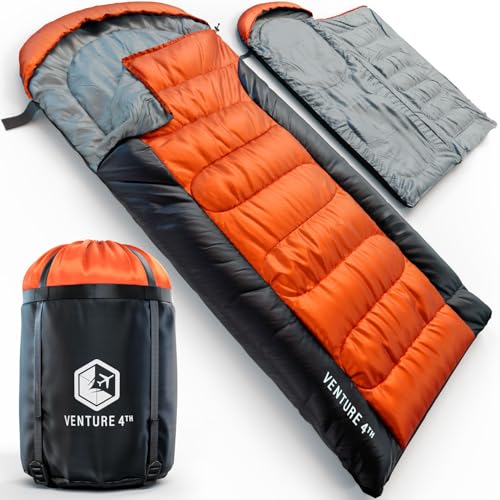
- 90×39-inch design for tall campers
- 30–70°F three-season temperature range
- Includes compression sack and lifetime replacement guarantee
Best For: Big-and-tall campers prioritizing sleeping space
Coziest Cold-Weather Choice
HiZYNICE XXL Flannel Sleeping Bag

- 90×39-inch roomy rectangular design
- 100% cotton flannel lining for softness
- Can unzip into a blanket or pair with another bag
Best For: Spacious car camping and chilly overnight stays
Winter Camping Workhorse
Coleman Heritage Big & Tall Sleeping Bag
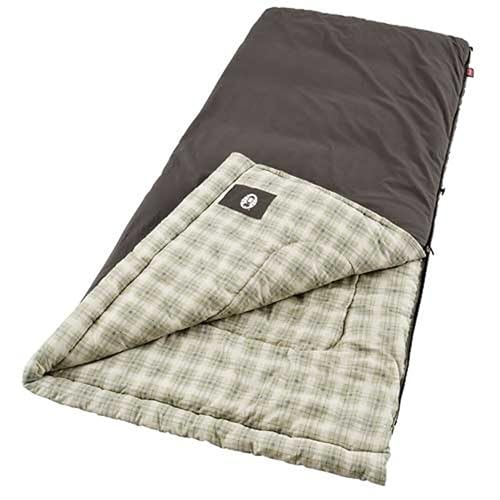
- 10°F cold-weather rating with five pounds of insulation
- 40×84-inch size fits campers up to 6 feet 7 inches
- Machine washable with no-snag zipper
Best For: Tall adults and cold-weather car camping
Versatile 3-Season Pick
Naturehike Lightweight Compact Sleeping Bag

- 32°F comfort rating for spring, summer, and fall camping
- Converts into a quilt or mat with its full-length zipper
- Includes hood, draft collar, foot vent, and compression sack
Best For: Flexible three-season camping and travel
Cold-Weather Mummy Choice
Coleman North Rim 0°F Sleeping Bag

- Rated for temperatures as low as 0°F
- Big-and-tall fit for campers up to 6 feet 2 inches
- Includes draft tube, adjustable hood, and no-snag zipper
Best For: Cold-weather camping and taller sleepers
Everyday Budget-Friendly Bag
Compact Lightweight Backpacking Sleeping Bag

- 55°F–60°F comfortable range with a 40°F recommended limit
- Roomy rectangular design for adults and youth
- Includes compression sack and easy-clean outer shell
Best For: Mild-weather camping, travel, and guest use
Versatile Three-Season Pick
Sportneer 3-Season Sleeping Bag

- Comfort range listed at 50–80°F
- Long 87-inch rectangular design
- Hood and two-way foot zipper
Best For: Three-season camping and hiking with extra room
Everyday 3-Season Pick – MalloMe Lightweight Sleeping Bag
If you want versatile sleeping bags for camping, hiking, or occasional backpacking, the MalloMe offers a practical balance of portability and comfort. Its 50–80°F comfort range suits spring, summer, fall, and cooler-weather trips, while the water-resistant shell and included compression sack add convenience.
Best For: Families and campers seeking a lightweight, easy-care 3-season sleeping bag.
Pros:
- Lightweight design weighs about 3 pounds and includes a compression sack.
- Water-resistant outer shell helps protect against moisture and is easy to wipe clean.
- Two-way, snag-resistant zipper and adjustable headrest drawstrings improve comfort.
- Suitable for adults and children, with vibrant color options.
Cons:
- Its 50–80°F rating is not intended for severe winter conditions.
- Rectangular dimensions may be less streamlined for minimalist backpacking than a mummy shape.
The MalloMe is a flexible all-around choice when compact storage, simple maintenance, and three-season versatility matter more than extreme cold-weather insulation.
Roomiest Backpacking Option – VENTURE 4TH XXL Sleeping Bag
Among sleeping bags for larger campers, the VENTURE 4TH XXL stands out for its generous 90-by-39-inch size. It combines a 30–70°F three-season range with a breathable, water-resistant polyester shell, making it useful for camping, hiking, road trips, and other outdoor activities.
Best For: Tall or broad campers who want extra room without giving up packability.
Pros:
- Extra-large dimensions accommodate campers up to 7.5 feet tall.
- Two-way zipper allows airflow adjustment in changing temperatures.
- Water-resistant polyester shell is machine washable and built for regular use.
- Compression sack and anti-snag zippers support convenient transport and setup.
Cons:
- At 4.4 pounds, it is heavier than many compact backpacking sleeping bags.
- The 30–70°F range may not provide enough insulation for deep-winter camping.
This is a strong comfort-first choice for big-and-tall campers who find standard sleeping bags restrictive and still want a reasonably portable design.
Coziest Cold-Weather Choice – HiZYNICE XXL Flannel Sleeping Bag
For campers who prioritize a soft interior and generous dimensions, the HiZYNICE is one of the more comfortable cold-weather sleeping bags in this group. Its 100% cotton flannel lining, 90-by-39-inch shape, and listed 30°F comfort rating make it suitable for chilly camping, cabins, RV trips, and overnight guests.
Best For: Big-and-tall or side sleepers who want flannel comfort and flexible use.
Pros:
- Spacious XXL dimensions fit adults up to 6 feet 7 inches tall.
- Soft cotton flannel lining adds a cozy feel in colder conditions.
- Two-way zipper provides ventilation and can open the bag into a blanket.
- Compatible left- and right-zip versions can be joined into a double bag.
Cons:
- Its 7-pound weight is substantial for backpacking.
- It is bulkier than lightweight three-season sleeping bags.
- Temperature claims vary in the supplied specifications, so use the listed comfort rating as the practical reference.
The HiZYNICE favors warmth, softness, and room to move over low pack weight, making it better suited to car camping and indoor backup use than long-distance trekking.
Winter Camping Workhorse – Coleman Heritage Big & Tall Sleeping Bag
The Coleman Heritage is designed for campers who need substantial cold-weather insulation rather than a lightweight backpacking setup. This big-and-tall sleeping bag uses five pounds of Holofill 808 insulation, a cotton cover, and a flannel liner, with a listed 10°F rating for winter camping, hunting, and guest use.
Best For: Cold-weather car campers and tall adults who want a durable, roomy sleeping bag.
Pros:
- 10°F rating and five pounds of insulation target cold-weather use.
- 40-by-84-inch dimensions accommodate campers up to 6 feet 7 inches tall.
- Heavy-duty cotton cover and synthetic flannel liner provide a durable, comfortable interior.
- Machine washable and equipped with a no-snag zipper and FiberLock construction.
Cons:
- At 8.9 pounds, it is notably heavy for backpacking.
- Its larger insulated construction is less compact than lightweight sleeping bags.
- The rectangular design may be less thermally efficient than a mummy-style bag.
The Heritage is a sensible pick when warmth, spaciousness, and easy cleaning outweigh portability. Its Wrap ‘N’ Roll storage system also simplifies packing after a trip.
Versatile 3-Season Pick – Naturehike Lightweight Compact Sleeping Bag
For campers who want adaptable sleeping bags without excessive bulk, the Naturehike Lightweight Compact Sleeping Bag combines a 32°F comfort rating with a roomy envelope shape. Its full-length zipper lets you use it as a quilt or mat, while the included compression sack helps simplify transport.
Best For: Spring-through-fall camping, backpacking, car camping, and travelers who value convertible sleeping gear.
Pros:
- High-loft hollow-fiber fill and a water-repellent polyester shell provide a practical warmth-to-weight balance.
- Unzips fully into a quilt or sleeping mat for flexible use.
- Includes a hood, draft collar, foot vent zipper, and compression sack.
- Can zip together with a compatible right-side Naturehike bag.
Cons:
- Its 32°F comfort rating is intended for three-season use rather than severe winter conditions.
- At 3.3 pounds, it is portable but not an ultralight option for every backpacking setup.
This is a flexible choice for campers who prioritize multiple configurations and convenient packing. The envelope design offers more room than a traditional mummy bag, while the hood and draft collar add warmth on cooler nights.
Cold-Weather Mummy Choice – Coleman North Rim 0°F Sleeping Bag
When warmth is the priority, the Coleman North Rim 0°F sleeping bag is built for cold-weather camping. Its mummy shape, Coletherm hollow-polyester insulation, Thermolock draft tube, and adjustable hood work together to help retain body heat in low temperatures.
Best For: Cold-weather campers and taller users who need a big-and-tall sleeping bag rated down to 0°F.
Pros:
- Designed to keep users warm in temperatures as low as 0°F.
- Big-and-tall dimensions fit campers up to 6 feet 2 inches.
- Thermolock draft tube helps reduce heat loss through the zipper.
- Machine washable and backed by a five-year limited warranty.
Cons:
- The mummy shape may feel less spacious than a rectangular sleeping bag.
- Its cold-weather insulation and large dimensions may be more than needed for mild-season camping.
The North Rim is a focused option for campers preparing for genuinely cold conditions. The adjustable hood supports ventilation control, while the no-snag zipper and machine-washable construction add everyday convenience.
Everyday Budget-Friendly Bag – Compact Lightweight Backpacking Sleeping Bag
For casual trips and multipurpose use, these sleeping bags offer a practical balance of portability, space, and simple care. The rectangular design measures 87 by 31 inches, fits campers up to 6 feet 1 inch, and packs into the included compression sack.
Best For: Youth and adult campers, summer outings, road trips, sleepovers, guest use, and other mild-weather adventures.
Pros:
- Comfortable temperature range is listed at 55°F–60°F, with a recommended limit of 40°F.
- Roomy rectangular shape allows movement and space to raise the knees.
- Separate foot zipper and two-way zipper support ventilation and easier use.
- Waterproof outer shell wipes clean, and the bag is designed for machine washing.
Cons:
- Its stated temperature range makes it less suitable for colder camping.
- At 1.6 kg, it may not be the lightest choice for extended backpacking.
- The listed maximum height recommendation is 6 feet.
This sleeping bag is best viewed as a versatile, mild-weather option rather than a winter shelter. Its roomy cut, compression sack, and easy-clean shell make it useful for family camping, indoor guests, and occasional outdoor trips.
Cozy Cotton Comfort – REDCAMP Cotton Flannel Sleeping Bag
The REDCAMP cotton flannel sleeping bag is a comfortable option for campers who prefer a soft, roomy envelope design. Its 210T polyester ripstop shell is waterproof, while the flannel liner and hollow cotton-fiber fill add warmth for spring and cooler-weather camping. Choose from 2-, 3-, or 4-pound filling options based on the expected temperatures.
Best For: Adults up to 6 feet tall who prioritize softness, space, and flexible warmth for camping trips.
Pros:
- Soft flannel lining and cotton-fiber fill improve comfort.
- Waterproof 210T polyester ripstop shell is designed for repeated use.
- Two-way zipper can connect two compatible sleeping bags.
- Includes a compression sack and internal storage pocket.
Cons:
- At approximately 4 pounds for the listed configuration, it is heavier than many backpacking sleeping bags.
- Its envelope shape emphasizes roominess over a compact, body-hugging fit.
With several fill weights and a generous 75-by-33-inch size, this REDCAMP model is a practical choice when comfort and versatility matter more than minimal pack weight.
Versatile Three-Season Pick – Sportneer 3-Season Sleeping Bag
The Sportneer sleeping bag is a practical three-season option for camping, hiking, and backpacking. It combines a polyester taffeta shell, polyester pongee lining, and polyester fill in a 31.5-by-87-inch rectangular design. The compression sack also makes this sleeping bag easier to carry between campsites.
Best For: Adults and taller campers seeking a versatile sleeping bag for spring, summer, and fall outings.
Pros:
- Three-season design with a listed comfort range of 50–80°F.
- Long 87-inch body accommodates users up to 7 feet, according to the specifications.
- Adjustable hood drawstring helps retain warmth around the head.
- Two-way zipper allows foot ventilation and added flexibility.
Cons:
- Its 1.5 kg weight may be noticeable for ultralight backpacking.
- The rectangular shape may be less thermally efficient than a tapered design.
This Sportneer model balances useful comfort features, generous length, and packability, making it a solid general-purpose choice for three-season outdoor trips.
Budget-Friendly Outdoor Essential – Lightweight Waterproof Sleeping Bag
This lightweight sleeping bag offers a straightforward three-season setup for camping, hiking, hunting, and travel. The polyester outer shell is described as waterproof and breathable, while the pongee lining and hollow-fiber fill provide cushioning and warmth. A compression bag helps reduce its packed size for transport.
Best For: Campers, children, and casual outdoor users who want an affordable, weather-resistant sleeping bag for moderate conditions.
Pros:
- Water-resistant polyester shell helps protect against damp conditions.
- Hood drawstring and foot zipper support warmth and ventilation adjustments.
- 3.3-pound design includes a compression bag for easier carrying.
- Wipes clean easily for practical use on camping trips.
Cons:
- Maximum height recommendation is approximately 5 feet 11 inches.
- Its listed design range of 50–68°F is better suited to moderate temperatures than severe cold.
- At 3.3 pounds, it may not suit ultralight backpacking.
For casual camping and backup use, this model delivers useful weather resistance and adjustable ventilation without requiring a specialized setup.
How We Picked the Best Sleeping Bags
We compared these Sleeping Bags across the factors that matter most outdoors: temperature rating, insulation, shape, packed size, weight, materials, zipper design, and fit. We also considered how each style suits its intended use, from lightweight backpacking to spacious family camping.
Temperature ratings are useful for comparison, but they are not guarantees of comfort. Clothing, sleeping pads, wind, humidity, and individual sleep habits all affect how warm you will feel. For three-season trips, prioritize a practical comfort rating rather than choosing solely by the lowest advertised number.
Quick Comparison
| Best For | Look For | Typical Advantage |
|---|---|---|
| Backpacking | Lightweight insulation and compression sack | Smaller, easier-to-carry load |
| Cold-weather camping | Lower temperature rating, hood, draft protection | More warmth in difficult conditions |
| Tall or broad sleepers | XL, XXL, or big-and-tall dimensions | More room to turn and stretch |
| Family camping | Soft lining, roomy envelope shape, washable fabric | Comfort and easier maintenance |
| Occasional use | Versatile three-season rating and moderate price | Useful for multiple trip types |
Key Buying Factors for Sleeping Bags
Temperature Rating
Choose a rating suited to the coldest conditions you expect, with extra margin if you sleep cold. A summer bag may be compact, while a three-season or winter model adds insulation and bulk.
Shape and Fit
Mummy bags conserve heat with a closer fit and often include hoods. Envelope bags provide more shoulder and leg room, making them appealing for casual camping or sleepers who dislike restrictive designs. Check the stated length and shoulder width before buying.
Weight and Packed Size
For hiking, every ounce matters. Look for lightweight construction and a reliable compression sack, but remember that warmer insulation generally takes up more space. Car campers can usually prioritize comfort over minimum packed weight.
Materials and Maintenance
Flannel or cotton-style linings can feel comfortable in a tent, while synthetic shells are commonly chosen for durability and faster drying. Confirm whether the bag is machine washable and follow the manufacturer’s care instructions.
Useful Features
Hoods, draft collars, two-way zippers, zipper guards, interior pockets, and the ability to join compatible bags can improve usability. These features are secondary to correct warmth and fit, but they can make regular camping more convenient.
Who Should Buy Which Sleeping Bags?
Backpackers should favor the lightest suitable model with a compact packed size and a temperature rating appropriate for the route. Cold-weather campers should prioritize insulation, a hood, and draft protection over low weight. Tall or larger-framed sleepers will be more comfortable in XL, XXL, or big-and-tall designs. Families and casual campers may prefer roomy envelope bags with soft linings and easy-care fabrics. Children and occasional users should look for manageable weight, a practical rating, and a fit that does not leave excessive empty space.
Before ordering, compare the listed comfort rating, dimensions, packed size, and return policy. The best sleeping bag is the one that fits your body, climate, and transportation needs—not necessarily the warmest or most expensive option.