Finding dependable hiking footwear does not require a premium price. The best hiking shoes under $200 can provide the grip, protection, cushioning, and weather resistance needed for day hikes, travel, and light outdoor work.
This roundup compares 10 budget-friendly options, from waterproof ankle boots and low-top trail shoes to flexible barefoot designs. Use the buying guide below to match each style with your terrain, weather, fit preferences, and mileage.
Best 10 Hiking Shoes Under 200 Picks for 2026
Lightweight Trail Pick
Columbia Crestwood Hiking Boots

- Lightweight 15-ounce design
- Breathable suede-mesh upper
- High-traction tread for dirt and rocks
Best For: Dry trails and everyday outdoor wear
Wet-Weather Boot
Columbia Newton Ridge Plus II Waterproof

- Waterproof leather and mesh construction
- Cushioned, energy-returning midsole
- Multi-terrain traction for rough surfaces
Best For: Wet, icy, or snowy trail conditions
Everyday Hiking Sneaker
adidas Terrex Eastrail 3 Hiking Shoes
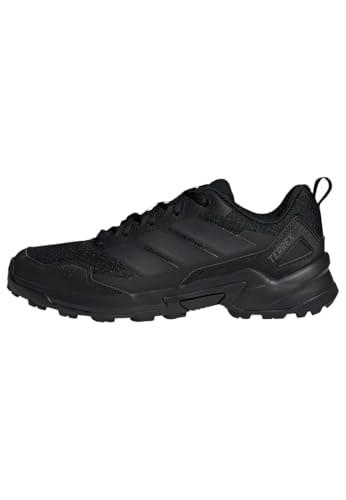
- Low-top sneaker-style profile
- Lace-up adjustable closure
- Rubber construction throughout
Best For: Dry spring and summer outings
All-Weather Trail Shoe

- Seam-sealed waterproof construction
- Omni-Grip multi-terrain traction
- Lightweight TechLite EVA cushioning
Best For: Wet dirt, gravel, and mixed-weather trails
Best Barefoot Pick
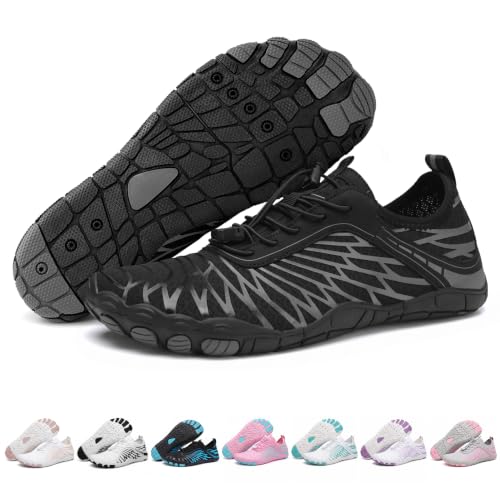
- Wide toe box and zero-drop design
- Breathable, lightweight, flexible upper
- Non-slip rubber sole for wet surfaces
Best For: Minimalist hikers and water-friendly outdoor activities
Best Cushioned Tactical Pick
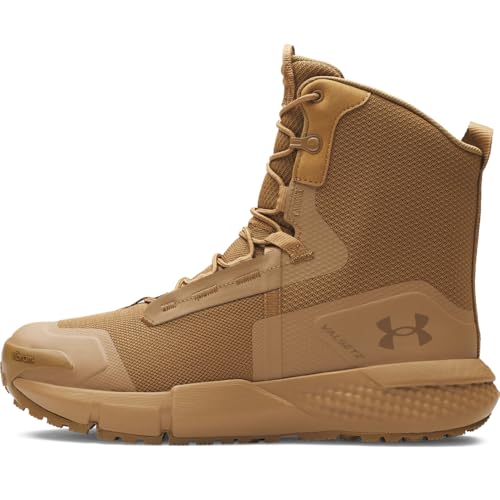
- Full-length Charged Cushioning midsole
- Vibram outsole with wet traction
- Protective high-abrasion PU overlays
Best For: Work, military-style use, and demanding terrain
Best Waterproof Boot Pick
NORTIV 8 Ankle High Hiking Boots

- Waterproof ankle-high construction
- Shock-absorbing removable insoles
- Slip-resistant rubber traction
Best For: Wet trails, camping, hunting, and outdoor work
Wide-Fit Trail Value
NORTIV 8 Waterproof Hiking Shoes

- Roomy toe box for wider feet
- Waterproof construction for wet conditions
- Deep-lug outsole with protective toe cap
Best For: Hikers seeking roomy, waterproof low-top shoes
Comfortable Wide-Forefoot Pick
FitVille Water-Resistant Hiking Shoes

- Wide and extra-wide toe-box design
- Lugged rubber outsole for uneven trails
- Arch support and high-rebound cushioning
Best For: Long hikes requiring extra forefoot room
All-Weather Cushioning Choice
NORTIV 8 Lightweight Hiking Shoes

- Waterproof construction for wet trails
- 4-in-1 rebound cushioning system
- Triangular-tread rubber outsole for traction
Best For: Lightweight trail-to-town versatility in wet conditions
Lightweight Trail Pick – Columbia Crestwood Hiking Boots
If you want hiking shoes under 200 that feel light on dry trails, the Columbia Crestwood Hiking Boots combine breathable suede mesh, maximum TechLite cushioning, and traction for dirt and rocks. They are also designed to be comfortable out of the box without a break-in period.
Best For: Dry-environment hiking, casual outdoor wear, and hikers who prioritize a lightweight feel.
Pros:
- Lightweight 15-ounce design with maximum cushioning
- Breathable suede-mesh construction suited to dry environments
- High-traction rubber tread for dirt, rocks, and varied terrain
- True-to-size fit with a wide-fit option available
Cons:
- Not water resistant
- Best suited to dry conditions rather than wet-weather hikes
The Crestwood is a practical everyday trail shoe when low weight, ventilation, and underfoot comfort matter more than waterproofing.
Wet-Weather Boot – Columbia Newton Ridge Plus II Waterproof
Among hiking shoes under 200, the Columbia Newton Ridge Plus II Waterproof stands out for wet-weather coverage. Its waterproof full-grain leather and mesh bootie construction pair with cushioning and multi-terrain traction for demanding trail conditions.
Best For: Hikers who need waterproof protection and secure footing on rough, wet, icy, or snowy surfaces.
Pros:
- Waterproof full-grain leather and mesh bootie construction
- Lightweight midsole provides cushioning and energy return
- Omni-Grip sole is designed for multi-terrain traction
- Lace-up closure allows an adjustable fit
Cons:
- Mid-top boot construction may feel less minimal than a low-top hiking shoe
- Listed closure details are inconsistent, with the product details also noting pull-on
The Newton Ridge Plus II is the stronger choice for hikers who regularly encounter rain, snow, or slippery trail surfaces and want a more protective boot profile.
Everyday Hiking Sneaker – adidas Terrex Eastrail 3 Hiking Shoes
For shoppers comparing hiking shoes under 200, the adidas Terrex Eastrail 3 offers a low-top sneaker-style option for spring and summer outings. Its lace-up design and rubber construction provide a straightforward trail-ready profile without a waterproofing claim.
Best For: Spring and summer hikers seeking a low-top hiking sneaker for dry conditions.
Pros:
- Low-top profile offers a sneaker-like format
- Lace-up closure supports an adjustable fit
- Rubber outer, lining, and sole construction
Cons:
- Not water resistant
- Supplied notes provide limited detail about cushioning and traction features
- Listed for spring/summer use rather than all-season conditions
The Terrex Eastrail 3 makes sense when you want a simple adidas hiking sneaker for dry-weather use and prefer a lower, more casual shoe profile.
All-Weather Trail Shoe – Columbia Crestwood Waterproof
The Columbia Crestwood Waterproof is a strong candidate among hiking shoes under 200 for mixed trail conditions. It combines seam-sealed Omni-Tech waterproofing, TechLite EVA cushioning, and Omni-Grip traction with a leather, mesh, and webbing upper.
Best For: Hikers who want a lightweight low-top shoe with waterproof protection for dirt, gravel, rain, and moderate snow.
Pros:
- Waterproof, seam-sealed construction that remains breathable
- Omni-Grip tread supports traction on rock, dirt, and gravel
- TechLite cushioning provides lightweight impact absorption
- Durable leather, mesh, and webbing upper
Cons:
- Provides moderate rather than maximum cushioning
- Listed water resistance is water resistant rather than explicitly waterproof in the details
- Low-top design offers less coverage than a hiking boot
The Crestwood Waterproof balances weather protection, cushioning, and trail grip in a versatile low-top design for hikers who move between wet and dry terrain.
Best Barefoot Pick – ELETON Barefoot Hiking Shoes
For shoppers comparing hiking shoes under 200, the ELETON barefoot shoes are a lightweight option for casual trails, wet surfaces, and water activities. Their zero-drop design, wide toe box, and flexible construction emphasize ground feel and freedom of movement rather than substantial cushioning.
Best For: Hikers who prefer minimalist, flexible footwear for wet surfaces, walking, water sports, and easy outdoor activities.
Pros:
- Wide toe box allows the toes to spread and move freely.
- Zero-drop, flexible design provides a barefoot-style ground feel.
- Breathable synthetic mesh and ventilated sole support quick-drying comfort.
- Rubber outsole offers non-slip traction on wet surfaces and rocks.
Cons:
- Minimal cushioning may not suit hikers seeking plush support.
- Water-repellent construction is not described as fully waterproof.
- Low-top design provides less ankle coverage than a hiking boot.
The ELETON is a good fit when flexibility, a roomy toe box, and water-friendly versatility matter most. For rugged routes or users who want more protection and cushioning, a structured hiking boot may be the better choice.
Best Cushioned Tactical Pick – Under Armour Charged Valsetz
Among hiking shoes under 200, the Under Armour Charged Valsetz stands out as a high-top tactical shoe with substantial cushioning and a durable outsole. It is built for demanding work and military-style use, while its wet-traction rubber sole can also suit unpredictable outdoor terrain.
Best For: Users who want maximum cushioning, high-top coverage, and a tactical shoe for work or challenging terrain.
Pros:
- Full-length Charged Cushioning midsole provides lightweight shock absorption.
- Molded Contoura Support footbed adds cushioning and foot support.
- Vibram XS Trek outsole offers flexibility and wet traction.
- PU overlays reinforce high-abrasion areas for added durability.
Cons:
- It is not water resistant, so it is less suitable for consistently wet conditions.
- High-top tactical styling may feel more substantial than a typical trail shoe.
- Its primary positioning is work and military use rather than recreational hiking.
The Charged Valsetz makes sense for buyers prioritizing cushioning, durability, and traction over a lightweight trail-running feel. Its lack of water resistance is the main limitation for wet-weather hiking.
Best Waterproof Boot Pick – NORTIV 8 Ankle High Hiking Boots
For hiking shoes under 200, the NORTIV 8 ankle-high boots offer the protection and weather coverage many hikers want from a traditional hiking boot. Waterproof construction, shock-absorbing insoles, and a slip-resistant rubber outsole make them suited to wet or uneven outdoor routes.
Best For: Hikers, campers, hunters, and travelers seeking waterproof ankle coverage and traction across wet or challenging terrain.
Pros:
- Waterproof construction helps protect against wet conditions.
- Rubber soles provide slip-resistant traction on wet or muddy surfaces.
- Removable cushioned insoles offer shock absorption and support.
- Flexible EVA midsoles help reduce foot fatigue on longer outings.
Cons:
- Ankle-high construction offers less freedom than a low-top hiking shoe.
- The boot-oriented design may feel warmer or bulkier than minimalist footwear.
- The supplied details do not specify a formal weight rating beyond the listed product information.
The NORTIV 8 is the strongest match here for hikers who value waterproofing, ankle coverage, and dependable traction. Its supportive boot format is especially practical for muddy trails, camping, and varied outdoor work.
Wide-Fit Trail Value – NORTIV 8 Waterproof Hiking Shoes
For shoppers comparing hiking shoes under 200, these NORTIV 8 low-top shoes offer a practical combination of waterproof protection, a roomy toe box, and trail-ready traction. The rubber toe cap, reinforced heel, and cushioned MD midsole suit everyday outdoor use on varied terrain.
Best For: Hikers who want a roomy fit and waterproof support for trails, camping, and outdoor work.
Pros:
- Roomy toe box accommodates wider feet.
- Waterproof membrane helps keep feet dry in puddles and shallow streams.
- Deep-lug rubber outsole, toe cap, and reinforced heel improve trail protection and grip.
- Flexible MD midsole provides moderate cushioning and shock absorption.
Cons:
- Moderate cushioning may feel less plush than a highly cushioned hiking shoe.
- The low-top design provides less ankle coverage than hiking boots.
This is a sensible value pick for hikers prioritizing fit flexibility, weather protection, and dependable traction in a lightweight low-top format.
Comfortable Wide-Forefoot Pick – FitVille Water-Resistant Hiking Shoes
Among hiking shoes under 200, the FitVille outdoor hiking shoe stands out for its wide or extra-wide toe box and comfort-focused construction. Its water-resistant suede upper, lugged rubber sole, arch-support insole, and responsive cushioning are geared toward longer walks on dirt and gravel.
Best For: Hikers who need extra forefoot room, arch support, and cushioning for extended routes.
Pros:
- Wide and extra-wide toe-box options allow more natural toe movement.
- Full rubber lugged outsole supports traction on gravel and uneven trails.
- Arch-support insole is designed to improve alignment and reduce foot strain.
- High-rebound cushioning helps smooth strides over longer distances.
Cons:
- Water-resistant suede offers less protection than a fully waterproof hiking shoe.
- The casual low-top design may provide less coverage in wet or rugged conditions.
Choose this model when fit and long-walk comfort matter more than maximum waterproofing, particularly for dirt paths, gravel, and everyday outdoor wear.
All-Weather Cushioning Choice – NORTIV 8 Lightweight Hiking Shoes
For hiking shoes under 200 that balance weather protection and comfort, these lightweight NORTIV 8 shoes use layered rebound cushioning, a waterproof build, and a full-rubber outsole. The low-top design also transitions from mountain trails and camping to city walks, travel, and work.
Best For: Hikers wanting lightweight waterproof shoes with enhanced cushioning for mixed trail-to-town use.
Pros:
- 4-in-1 rebound system combines soft step-in cushioning, sustained support, and shock absorption.
- Waterproof construction is tested for submersion up to four hours.
- Triangular outsole tread supports grip on slippery and rough surfaces.
- Reinforced toe and heel, gusseted tongue, and mixed upper improve trail practicality.
Cons:
- Moderate-to-high cushioning may feel less minimal for hikers who prefer strong ground feedback.
- Low-top coverage offers less ankle support than a hiking boot.
This is the strongest all-rounder of the three for wet-weather versatility, cushioned walking, and moving between trails and everyday settings without a heavier boot profile.
How We Picked the Best Hiking Shoes Under 200
We focused on practical features that matter on real trails: outsole traction, waterproofing or water resistance, ankle support, cushioning, fit, weight, and overall versatility. The selection includes established outdoor and athletic brands alongside value-focused options, with styles suited to muddy paths, maintained trails, travel, and casual outdoor use.
Because hiking footwear priorities vary, we did not treat one construction as universally best. A waterproof boot may be ideal for wet, rocky trails, while a lightweight low-top shoe can feel better on warm, well-maintained routes. Barefoot footwear is included for hikers who specifically want a wide toe box and zero-drop platform.
Quick Comparison
| Best For | Look For | Recommended Style |
|---|---|---|
| Wet or muddy trails | Waterproof membrane, sealed construction, deep lugs | Waterproof hiking boots or shoes |
| Day hikes and travel | Moderate cushioning, secure fit, manageable weight | Low-top hiking shoes |
| Extra ankle coverage | Higher collar and supportive upper | Ankle-high hiking boots |
| Wide, natural toe movement | Wide toe box and zero-drop design | Barefoot hiking shoes |
| Mixed outdoor use | Durable upper, grippy outsole, water resistance | Outdoor trail shoes |
Key Buying Factors for Hiking Shoes Under 200
Traction and Terrain
Look for rubber outsoles with multidirectional lugs. Deeper, spaced lugs generally shed mud better, while moderately patterned soles can feel smoother and more comfortable on pavement or packed gravel. Match the tread to your usual terrain rather than choosing the most aggressive pattern automatically.
Waterproofing and Breathability
Waterproof shoes help with rain, wet grass, and shallow puddles, but they can retain more heat than mesh footwear. If you hike mainly in dry, warm conditions, breathability may be more valuable. Remember that even waterproof footwear can let water in over the collar, so gaiters may help in deep mud or snow.
Fit, Support, and Cushioning
Leave enough room for your toes to spread and for slight foot swelling on longer hikes. Try shoes with the socks you plan to wear, and check that your heel stays secure without pressure across the instep. Higher collars can provide a more supported feel, while low tops usually offer greater flexibility.
Weight and Break-In Time
Heavy boots can feel stable but may cause fatigue over long distances. Lightweight shoes are easier for fast day hikes and travel, though they may provide less structure. Regardless of price, wear new footwear around home before taking it on a demanding trail.
Who Should Buy Which Hiking Shoes Under 200?
Choose waterproof ankle boots if you regularly hike in rain, mud, cool conditions, or uneven terrain and prefer more coverage. Low-top waterproof hiking shoes are a better fit for everyday trails, travel, and hikers who want protection without as much bulk. Athletic-style trail shoes make sense for dry routes and users who prioritize lighter movement.
Consider a barefoot option only if you already prefer minimal footwear and are prepared to transition gradually. Its flexible, zero-drop design is not the right choice for every hiker, especially those accustomed to heavily cushioned or supportive shoes. For the best overall match, prioritize your terrain and fit first, then compare waterproofing, cushioning, and weight within your budget.