Finding a secure, comfortable fit can be difficult when standard hiking shoes leave extra room at the heel or midfoot. The best hiking shoes for narrow feet should hold your foot firmly without creating pressure points, while still providing dependable traction and support.
We compare 10 options across lightweight day hikers, waterproof designs, supportive trail shoes, and minimalist footwear so you can choose a pair that matches your terrain, weather, and preferred fit.
Best 10 Hiking Shoes for Narrow Feet Picks for 2026
Trail-Tested Comfort
Merrell Women's Moab 3 Hiking Shoes

- Suede-and-mesh upper
- Removable contoured insole
- Moderate cushioning; not water resistant
Best For: Casual hikers seeking adjustable, medium-support trail shoes
All-Terrain Support
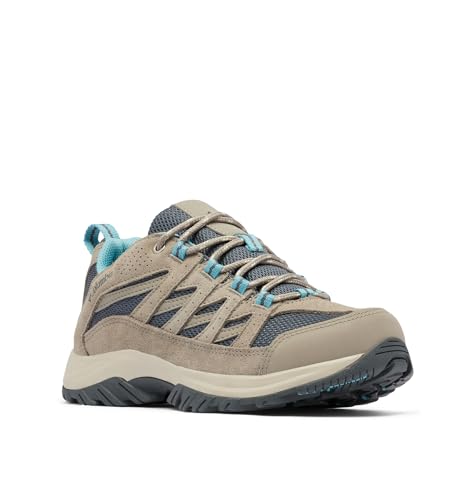
- Suede, mesh, and webbing upper
- TechLite cushioned midsole
- Omni-Grip traction outsole
Best For: Hikers prioritizing cushioning and grip across varied terrain
Lightweight Trail Flex
Merrell Women's Siren Edge 3 Shoes

- Breathable mesh-and-TPU upper
- Traditional lace closure
- Flexible-support removable insole
Best For: Warm-weather trail hikers wanting breathable, flexible footwear
Weather-Ready Stability
Merrell Women's Moab 3 Waterproof Hiking Shoe

- Waterproof membrane
- Air Cushion heel and supportive midsole
- Vibram TC5+ traction outsole
Best For: Wet-weather hikers needing cushioning, stability, and grip
Lightweight Leather Comfort
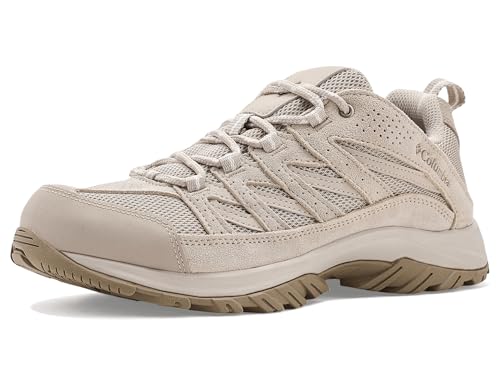
- Adjustable lace-up upper with suede, mesh, and webbing
- Lightweight TechLite cushioning for day-long comfort
- Omni-Grip rubber outsole for varied terrain
Best For: Day hikes and mixed outdoor terrain
Waterproof Trail Protection
CC-Los Women's Waterproof Hiking Boots

- Waterproof membrane with sealed seams
- Lightweight EVA cushioning and removable insole
- Lugged rubber outsole for wet and uneven ground
Best For: Rainy walks and light hikes on damp trails
Minimalist Flexible Feel
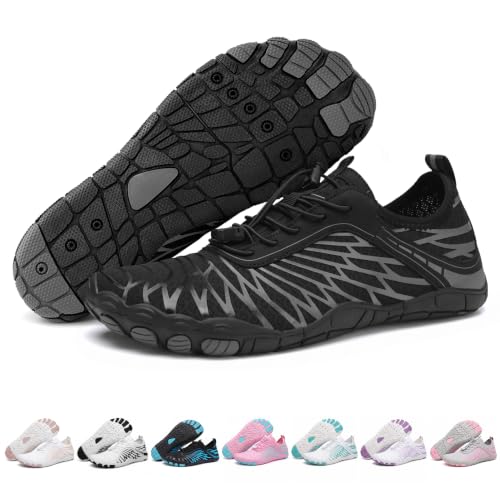
- Zero-drop design with minimal cushioning
- Adjustable elastic drawstring and breathable mesh
- Flexible non-slip sole for wet surfaces and rocks
Best For: Minimalist hiking and water activities
Waterproof Comfort Pick
Amazon Essentials Women's Hiking Shoe

- Waterproof internal bladder
- Memory foam and EVA cushioning
- Traction outsole with reflective details
Best For: Waterproof everyday hikes and low-light walks
Lightweight Stability Pick
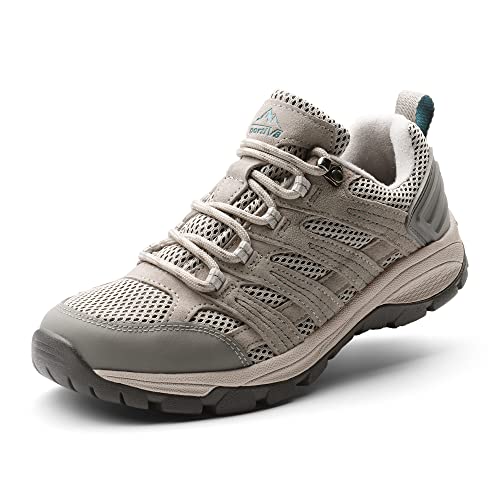
- Breathable lightweight construction
- Midfoot and arch support
- Slip-resistant EVA-rubber sole
Best For: Dry-weather walks and light trail activities
Waterproof Arch-Support Pick

- Waterproof outdoor construction
- Memory foam and arch support
- Roomy toe box with rugged traction
Best For: Comfort-focused hikes in wet conditions
Trail-Tested Comfort – Merrell Women's Moab 3 Hiking Shoes
For shoppers comparing hiking shoes for narrow feet, the Merrell Women’s Moab 3 offers a low-top, lace-up design that can be adjusted for a more secure feel. Its suede-and-mesh upper, moderate cushioning, and removable contoured insole suit everyday trail use, though the supplied details do not specify a narrow-width version.
Best For: Casual hikers who want a durable, moderately cushioned shoe with an adjustable lace closure.
Pros:
- Suede leather and mesh upper balances durability and breathability.
- Bellows tongue helps keep trail debris out.
- Removable Kinetic Fit ADVANCED insole provides contoured support.
- Lightweight low-top design with a rubber outsole.
Cons:
- Not water resistant.
- Moderate cushioning may feel less plush than higher-cushion options.
- Notes describe a medium-support fit rather than a narrow-specific fit.
The Moab 3 is a sensible all-around pick when adjustability and trail-tested construction matter more than waterproofing or specialized narrow sizing. Check the available width and fit before ordering.
All-Terrain Support – Columbia Women's Crestwood
Columbia Womens Crestwood Hiking Shoe, Graphite/Kettle, 7 | Why We Like The Crestwood Hiking Shoe
Check Price On AmazonThe Columbia Women’s Crestwood is worth considering among hiking shoes for narrow feet because its lace-up combination upper can be adjusted around the foot. It pairs a suede leather, mesh, and webbing construction with a lightweight TechLite midsole, although the supplied information does not confirm narrow-width availability.
Best For: Hikers wanting all-day cushioning and dependable traction for varied terrain.
Pros:
- Combination leather, mesh, and webbing upper supports a secure lace-up fit.
- TechLite midsole delivers cushioning and energy return.
- Omni-Grip rubber outsole is designed for varied terrain.
- Abrasion-resistant construction is intended for lasting use.
Cons:
- Not water resistant.
- Moderate-to-high cushioning may not suit shoppers seeking a close-to-ground feel.
- The notes do not identify a dedicated narrow-width option.
The Crestwood stands out for cushioning and outsole traction, while its adjustable closure may help fine-tune the fit. Confirm the width and heel hold if your feet are especially narrow.
Lightweight Trail Flex – Merrell Women's Siren Edge 3 Shoes
For hiking shoes for narrow feet, the Merrell Women’s Siren Edge 3 provides a traditional lace closure that allows fit adjustment through the forefoot and midfoot. Its mesh-and-TPU upper, breathable lining, and flexible-support insole make it a practical choice for hiking trails, but the supplied details do not establish a narrow-specific fit.
Best For: Hikers who prefer a breathable, lightweight shoe with flexible support.
Pros:
- Mesh and TPU upper supports breathability with added structure.
- Traditional laces allow adjustable fitting.
- Bellows tongue helps keep debris out.
- Removable Kinetic Fit BASE insole provides flexible support.
Cons:
- Not water resistant.
- Moderate cushioning may be insufficient for shoppers wanting maximum underfoot protection.
- Notes do not confirm a narrow width.
The Siren Edge 3 is the most ventilation-focused option in this group, with a flexible support setup for regular trail outings. Narrow-footed shoppers should pay particular attention to heel security and available sizing.
Weather-Ready Stability – Merrell Women's Moab 3 Waterproof Hiking Shoe
If you need hiking shoes for narrow feet in changeable weather, the Merrell Women’s Moab 3 Waterproof combines a lace-up closure with a waterproof membrane and supportive cushioning. The supplied notes do not specify a narrow width, so fit should be checked carefully before purchase.
Best For: Hikers who need waterproof protection, shock absorption, and strong outdoor traction.
Pros:
- Waterproof membrane helps seal out water while allowing moisture to escape.
- Merrell Air Cushion in the heel absorbs shock and adds stability.
- Super Rebound Compound midsole supports smoother transitions.
- Vibram TC5+ outsole provides traction for outdoor activities.
Cons:
- Waterproof construction may feel less airy than an all-mesh shoe.
- Moderate-to-high cushioning may feel substantial for minimalist-shoe fans.
- The supplied details do not confirm a narrow-specific fit.
The Moab 3 Waterproof is the strongest choice here for wet-weather protection and stability. Its lace-up design can help refine the fit, but shoppers with narrow feet should verify sizing and width.
Lightweight Leather Comfort – Columbia Women's Crestwood
For shoppers comparing hiking shoes for narrow feet, the Columbia Women’s Crestwood is a lightweight low-top option with a lace-up design that can help create a secure, adjustable fit. Its suede, mesh, and webbing upper combines durability with ventilation, while moderate cushioning supports comfortable day hikes.
Best For: Day hikes and mixed outdoor terrain when you want moderate cushioning and dependable traction.
Pros:
- Lace-up combination upper offers an adjustable, secure fit.
- TechLite midsole provides lightweight cushioning and energy return.
- Omni-Grip rubber outsole supports traction across varied terrain.
- Suede, mesh, and webbing construction balances durability and breathability.
Cons:
- Not water resistant, so it is less suitable for wet conditions.
- Moderate cushioning may not appeal to shoppers seeking a minimalist feel.
The Crestwood is a practical pick for narrow-foot shoppers who value an adjustable lace-up fit, moderate support, and an established hiking outsole. Check the sizing details carefully, since the supplied information does not specify a narrow-width option.
Waterproof Trail Protection – CC-Los Women's Waterproof Hiking Boots
For hiking shoes for narrow feet, these ankle-high CC-Los boots offer a lace-up closure and padded details that may help provide a more secure feel. Their waterproof membrane, sealed seams, and lugged rubber outsole make them suited to damp trails, while lightweight EVA cushioning helps reduce foot fatigue.
Best For: Rainy walks, light hikes, and muddy or uneven trails where waterproof protection matters.
Pros:
- Waterproof membrane and sealed seams help keep feet dry.
- Lightweight EVA midsole provides impact absorption and cushioning.
- Multi-directional rubber lugs offer grip on dirt, gravel, and wet grass.
- Padded collar and gusseted tongue improve comfort and help block debris.
Cons:
- The supplied details do not confirm a dedicated narrow-width fit.
- Ankle-high construction may feel warmer or less flexible than a low-top shoe.
- Designed for light hikes and everyday use rather than specified technical hiking.
These boots stand out when wet-weather protection and trail traction take priority. Narrow-foot shoppers should use the lace-up closure for adjustment and verify the size and fit before relying on them for longer outings.
Minimalist Flexible Feel – ELETON Barefoot Hiking Shoes
Although these are marketed with a wide toe box, the ELETON barefoot shoes may suit narrow-foot hikers who want an adjustable elastic drawstring and a close-to-the-ground feel. The flexible mesh upper, zero-drop sole, and minimal cushioning support natural movement, while the rubber outsole is designed for grip on wet surfaces and rocks.
Best For: Minimalist hiking, water activities, and outdoor use where flexibility and ground feel are priorities.
Pros:
- Elastic drawstring makes on-and-off use and fit adjustment convenient.
- Zero-drop sole and minimal cushioning provide a barefoot-style feel.
- Breathable mesh upper and ventilated sole support airflow.
- Flexible non-slip rubber sole is suited to wet surfaces and rocks.
Cons:
- Wide toe box may not be ideal for shoppers seeking a snug narrow fit.
- Minimal cushioning offers less underfoot padding than conventional hiking shoes.
- Water-repellent construction is not the same as fully waterproof protection.
The ELETON is best viewed as a flexible barefoot-style water and hiking shoe rather than a traditional supportive boot. It can work for narrow feet if the adjustable closure offsets the roomy toe box, but sizing should be checked carefully.
Waterproof Comfort Pick – Amazon Essentials Women's Hiking Shoe
If you need hiking shoes for narrow feet with dependable weather protection, this Amazon Essentials pair is a practical option to consider. Its moderate cushioning, padded collar, and quick-lace system are designed for comfortable all-day trail use, though the fit is listed as true to size rather than specifically narrow.
Best For: Hikers who prioritize waterproofing, cushioning, and straightforward trail traction.
Pros:
- Waterproof bladder helps protect against wet conditions.
- Molded memory foam insole and EVA midsole help reduce foot fatigue.
- Rubber outsole provides traction, while reflective details improve low-light visibility.
- Pull tab and quick-lace system make them convenient to put on and adjust.
Cons:
- The notes do not identify a narrow-specific fit or width option.
- Moderate cushioning may feel less plush than a heavily cushioned hiking shoe.
For shoppers comparing hiking shoes for narrow feet, the lace system may help fine-tune the fit. The waterproof construction and balanced cushioning make this a versatile choice for everyday outdoor use.
Lightweight Stability Pick – NORTIV 8 Women's Hiking Shoes
These NORTIV 8 shoes are worth considering when shopping for hiking shoes for narrow feet and you want a lightweight design with supportive structure. They offer midfoot stability, arch support, and a lace-up closure, but the listed roomy fit may not suit every narrow foot.
Best For: Active walkers and hikers seeking breathable shoes with stability and slip-resistant traction.
Pros:
- Lightweight, breathable materials support comfortable long walks.
- Midfoot support and an EVA-rubber sole help provide stability on uneven terrain.
- Slip-resistant soles are designed for varied outdoor surfaces.
- Reflective accents improve visibility during early or late outings.
Cons:
- They are not water resistant, so they are less suitable for wet trails.
- The roomy fit may require careful lacing for narrow feet.
This pair stands out for breathable comfort and stability rather than weather protection. If you have narrow feet, use the lace-up design to secure the midfoot and check sizing carefully before longer hikes.
Waterproof Arch-Support Pick – CUSHIONAIRE Brig Trail Shoes
The CUSHIONAIRE Brig combines waterproof protection, memory foam cushioning, and arch support for shoppers evaluating hiking shoes for narrow feet. Its wide toe box is designed to allow extra forefoot room, so it may be a better match for narrow-footed hikers who prefer space up front rather than a close, tapered fit.
Best For: Hikers wanting waterproof trail shoes with arch support and a roomier toe area.
Pros:
- Waterproof construction helps keep feet dry in rain and unpredictable conditions.
- Cushioned midsoles and memory foam provide comfort for hiking or daily wear.
- Rugged rubber outsole is designed to improve traction on uneven paths.
- Lightweight mesh promotes airflow during active use.
Cons:
- The wide toe box may feel too roomy for narrow feet.
- The supplied details do not specify a narrow-width option.
This is a comfort-focused choice for hikers who need waterproofing and extra arch support. Narrow-footed shoppers should pay particular attention to the toe-box shape and rely on the lace-up closure for a more secure fit.
How We Picked the Best Hiking Shoes for Narrow Feet
We focused on the features that matter most when a conventional hiking shoe feels too roomy: secure heel and midfoot hold, adjustable lacing, useful cushioning, stable outsoles, and practical protection from wet or uneven terrain. We also considered different hiking styles, from casual park walks and day hikes to lightweight trekking and minimalist trail use.
Because sizing varies by brand and foot shape, these selections should be treated as a starting point rather than a guarantee of fit. Check the manufacturer’s size chart, read recent fit feedback, and confirm the return policy before ordering.
Quick Comparison
| Best For | Look For | Most Suitable Styles |
|---|---|---|
| Everyday day hikes | Balanced cushioning and dependable grip | Traditional hiking shoes |
| Wet trails | Waterproof upper and protected seams | Waterproof hiking shoes or boots |
| Lightweight travel | Flexible construction and lower weight | Light hikers and trail shoes |
| Minimalist movement | Wide toe box and zero-drop platform | Barefoot-style footwear |
| Extra underfoot comfort | Arch support and generous cushioning | Supportive trail shoes |
Key Buying Factors for Hiking Shoes for Narrow Feet
Fit and Adjustability
Prioritize shoes with effective lacing, a padded heel collar, and a firm heel counter. Lace-locking techniques can reduce heel lift, but excessive tightening should not cause numbness or pressure across the top of the foot. Try shoes with the socks you expect to wear on the trail.
Toe Room Versus Overall Width
A narrow heel does not necessarily mean you need a narrow toe box. Your toes should be able to spread naturally without touching the front, especially on descents. Barefoot-style options may feel very different from conventional hiking shoes and can require a gradual break-in period.
Traction and Terrain
Look for a lugged rubber outsole for dirt, gravel, and wet roots. Deeper or more widely spaced lugs are useful in mud, while a moderate tread may feel smoother on pavement and maintained paths. For rocky terrain, prioritize a stable platform and adequate underfoot protection.
Waterproofing and Breathability
Waterproof membranes help in rain and shallow puddles but can feel warmer and slower to dry after soaking. For hot-weather hikes or stream crossings, breathable, quick-drying materials may be more comfortable than waterproof construction.
Who Should Buy Which Hiking Shoes for Narrow Feet?
Choose a traditional Merrell or Columbia hiking shoe if you want familiar cushioning, structured support, and an all-purpose design for day hikes. Select a waterproof model if rainy conditions and wet grass are common on your routes. Lightweight options from brands such as NORTIV 8, Amazon Essentials, or CC-Los may suit casual hikers who value lower weight and everyday versatility.
The CUSHIONAIRE option is worth considering if cushioning, arch support, and comfort are your priorities. The ELETON barefoot-style shoe is better for experienced minimalist footwear users who specifically want a flexible, zero-drop design and a roomy toe box. Whichever pair you choose, confirm the heel fit first: a securely held heel is often the clearest sign that Hiking Shoes for Narrow Feet will remain comfortable over longer distances.
