Cold-weather camping demands more than a standard three-season shelter. The right tent must balance wind protection, weather resistance, interior space, ventilation, and packability for the conditions you expect to face.
We’ve selected 10 camping tents for cold weather that cover a range of winter trips, from solo backpacking and lightweight two-person setups to spacious hot tents designed for groups and stove use.
Best 10 Camping Tents for Cold Weather Picks for 2026
Winter Stove-Ready Shelter

- Stove jack and snow skirt for winter camping
- 3000mm waterproof nylon with aluminum poles
- Two-person layout with hall and vestibule
Best For: Two-person winter and four-season camping
Ultralight Four-Season Pick
OneTigris Stella 4-Season Tent

- Only 4.4 pounds for backpacking trips
- 3000mm waterproof nylon outer
- Quick crossed-pole setup with mesh inner tent
Best For: Lightweight backpacking and compact two-person trips
Spacious Family Hot Tent

- Flame-retardant stove jack for compatible wood stoves
- 120-square-foot cabin interior with 6.5-foot peak
- Poly-cotton roof and waterproof sidewalls
Best For: Group camping and comfortable base camps
Weatherproof Backpacking Value
Clostnature 4-Season Backpacking Tent
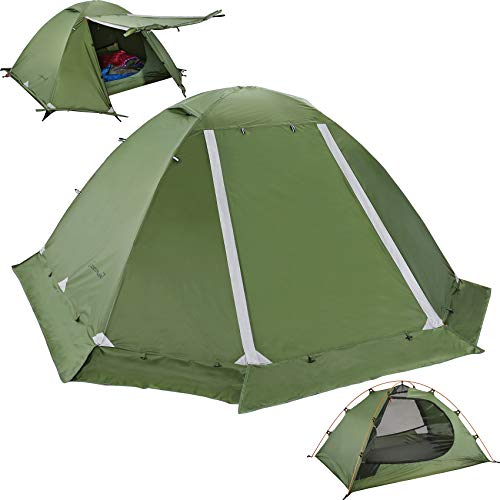
- Snow flaps and sealed seams for cold-weather use
- Two doors and two vestibules for convenience
- 6.28-pound two-person backpacking design
Best For: Budget-conscious two-person backpacking
Best for Glamping
Large Bell Tent with Stove Jack

- Roomy shelter for approximately 4–7 campers
- Built-in stove jack for compatible wood stoves
- Ventilated mesh windows and insect-proof doors
Best For: Family camping, hunting, festivals, and cold-season glamping
Best Lightweight 4-Season Pick

- Snow skirt and PU 3000mm waterproof coating
- 6.4-pound minimum trail weight
- Two doors and two windows improve airflow
Best For: Two-person backpacking and changing-weather trips
Best for Storm Protection
Compact Winter Backpacking Tent

- PU5000mm coating and full-cover rainfly
- Snow skirt for winter camping
- 5.7-pound freestanding two-person design
Best For: Two-person backpacking in snowy, wet, or windy conditions
Versatile Hot-Tent Pick

- Stove jack and snow skirt for winter use
- Removable inner tent and vestibule
- 3000mm fly and 4000mm floor ratings
Best For: Couples and small groups on car- or motorcycle-supported trips
Lightweight Winter Backpacker

- About 4.43-pound total weight
- PU3000mm waterproof nylon shell
- Three-minute setup with two vestibules
Best For: Backpackers and hikers needing a compact four-season shelter
Group Hot-Tent Shelter

- Four- to six-person capacity
- Flame-retardant fabric with stove jack
- Snow skirt and 3000mm waterproofing
Best For: Groups and families planning roomy winter hot-tent camping
Winter Stove-Ready Shelter – Naturehike Massif Hot Tent
For campers seeking camping tents for cold weather, the Naturehike Massif combines a stove jack, snow skirt, waterproof construction, and a two-person layout. Its mesh inner tent and multiple vents also make it adaptable beyond winter use.
Best For: Two-person winter camping, motorcycle or car camping, and campers who want the option to use a wood stove.
Pros:
- Integrated stove jack and snow skirt support cold-weather camping.
- 3000mm waterproof nylon and aluminum poles provide weather protection.
- Two doors, two vents, and a mesh inner tent help improve airflow.
- About 10.5 pounds with a room, hall, and vestibule for added space.
Cons:
- Heavier and less compact than the backpacking-focused options here.
- Stove use requires firmly secured stakes and guylines.
The Massif is a versatile choice for campers who value warmth and livability over minimum pack weight. Its stove-ready design is particularly useful for established winter camps, while the ventilated inner tent keeps it practical in warmer seasons.
Ultralight Four-Season Pick – OneTigris Stella 4-Season Tent
The OneTigris Stella is a compact option among camping tents for cold weather, weighing 4.4 pounds and packing down to 19.7 by 5.9 inches. Its waterproof outer, mesh inner tent, and straightforward crossed-pole setup suit lightweight trips.
Best For: Backpackers, bushcrafters, and solo campers or pairs prioritizing low weight and quick setup.
Pros:
- Lightweight 4.4-pound design with a compact packed size.
- 3000mm waterproof rating helps handle wet conditions.
- Mesh inner tent supports airflow in humid weather.
- Simple setup uses flexible aluminum poles and four floor anchors.
Cons:
- One door provides less access convenience than two-door designs.
- The 28.29-square-foot floor area is relatively compact for two occupants.
Stella is a strong fit when carrying weight matters most. It offers four-season features and easy pitching in a compact package, though campers bringing substantial winter gear may want a roomier tent.
Spacious Family Hot Tent – 6–8 Person Cabin Hot Tent
For group trips, this cabin-style shelter stands out among camping tents for cold weather with a flame-retardant stove jack, 120-square-foot floor, and 6.5-foot center height. Breathable poly-cotton roofing and waterproof sidewalls are designed for extended comfort.
Best For: Family camping, group base camps, and campers who need standing room for cots, gear, and a wood stove.
Pros:
- Stove jack supports compatible 2.7- to 4.7-inch stove pipes.
- Large cabin layout accommodates 6–8 people and allows upright movement.
- Six mesh windows plus two doors promote ventilation and access.
- Includes reflective guylines, steel stakes, storage pockets, and lantern loops.
Cons:
- At about 18 pounds, it is intended for family or base camping rather than backpacking.
- Setup details recommend two people, despite the listed quick setup time.
- The product details list the season as spring, so buyers should verify intended winter conditions.
This tent offers the most interior comfort in the group and is well suited to stationary cold-weather camps. Its stove-ready cabin design is appealing for groups, but its substantial size and weight make transportation and setup more involved.
Weatherproof Backpacking Value – Clostnature 4-Season Backpacking Tent
The Clostnature 4 Season Backpacking Tent is a practical choice among camping tents for cold weather, pairing snow flaps, a bathtub-style floor, sealed seams, and a lightweight two-person design. Two doors and two vestibules add convenience for winter gear storage.
Best For: Backpackers and hikers who want a relatively light two-person tent with dedicated vestibule space.
Pros:
- Snow flaps and factory-sealed seams support cold and wet-weather use.
- Two doors and two vestibules simplify entry and gear organization.
- 6.28-pound total weight and compact packed size suit backpacking.
- Freestanding aluminum-pole design is designed for quick solo setup.
Cons:
- The listed detail specifies a 1500mm water-resistance technology rating, lower than some alternatives here.
- Its 45.8-inch peak height limits upright sitting and movement.
Clostnature balances portability and winter-oriented features well for hikers. The dual vestibules are especially useful for keeping wet or bulky gear outside the sleeping area, though buyers seeking maximum rain resistance may prefer a higher-rated model.
Best for Glamping – Large Bell Tent with Stove Jack
For campers who want a roomy shelter, this bell tent is a distinctive option among camping tents for cold weather. Its built-in stove jack supports a compatible wood stove for heating and cooking, while the spacious design accommodates groups and gear. For rainy conditions, the supplied notes recommend adding a rainfly.
Best For: Family camping, hunting trips, festivals, and glamping in cold seasons.
Pros:
- Spacious interior can accommodate approximately 4–7 campers with gear.
- Stove jack supports wood-stove heating and cooking in cold weather.
- Mesh windows and insect-proof doors promote ventilation while blocking bugs.
- Includes 12 guylines and 24 stakes for setup support.
Cons:
- At 35.3 pounds, it is much less suitable for backpacking.
- The supplied notes recommend an additional rainfly for enhanced rainy-weather protection.
- Its single-room layout offers no separate sleeping compartments.
This is a comfort-focused cold-weather shelter rather than a minimalist trekking tent. Choose it when interior space, standing room, and stove compatibility matter more than low packed weight.
Best Lightweight 4-Season Pick – Two-Person Snow-Skirt Tent
This two-person model is a practical choice for shoppers comparing camping tents for cold weather with portability in mind. A snow skirt, PU 3000mm coating, double-layer construction, and waterproof foyer provide useful protection for winter outings, while the 6.4-pound packed weight remains manageable for backpacking.
Best For: Two-person backpacking, hiking, bicycle travel, and motorcycle trips in changing conditions.
Pros:
- Snow skirt helps keep snow away from the interior.
- PU 3000mm coating and waterproof design provide weather protection.
- Two doors, two windows, and double-layer construction support ventilation.
- Freestanding aluminum-pole design is intended for one-person setup.
Cons:
- At 43.3 inches high, it does not provide standing room.
- Its two-person capacity leaves limited space for bulky winter gear.
- The supplied guidance warns that condensation can soak the inner tent if the layers touch.
With a compact packed size and straightforward freestanding setup, this tent balances winter-oriented features with reasonable portability. It is best suited to couples or solo campers who can share a relatively compact sleeping area.
Best for Storm Protection – Compact Winter Backpacking Tent
Designed for hikers seeking compact camping tents for cold weather, this two-person dome tent combines a snow skirt, full-cover rainfly, PU5000mm coating, and aluminum poles. Its 5.7-pound weight and freestanding structure make it a practical option when winter protection is more important than spacious living quarters.
Best For: Two-person backpacking and camping in snowy, wet, or windy conditions.
Pros:
- Snow skirt helps keep snow away in winter, with a rollable design for other seasons.
- PU5000mm coating and full-cover rainfly support waterproofing.
- Aircraft-grade aluminum poles and double-layer corners are designed for demanding weather.
- Includes a vestibule, mesh pocket, and light hook for added convenience.
Cons:
- Its 45.3-inch center height is suited to sitting and sleeping, not standing.
- Only one door is listed, which may be less convenient for two occupants.
- The compact 59.1-by-86.6-inch floor limits room for winter equipment.
This tent stands out for its stronger listed waterproof rating and winter-focused details while remaining reasonably light. It is a good fit for backpackers who prioritize storm and snow protection over interior room.
Versatile Hot-Tent Pick – Naturehike Dune
For campers comparing camping tents for cold weather, the Naturehike Dune combines a stove jack, snow skirt, waterproof fabrics, and a removable inner tent. Its flexible layout works for winter hot-tent trips as well as warmer-weather camping.
Best For: Couples or small groups who want a versatile hot tent for winter camping, car camping, or motorcycle travel.
Pros:
- Stove jack and snow skirt support cold-weather camping.
- Double-layer design, mesh doors, and ventilation windows help manage airflow.
- Four doors, a vestibule, and removable inner tent provide flexible access and storage.
- 3000mm fly and 4000mm floor water resistance ratings add weather protection.
Cons:
- At about 16.5 pounds, it is heavier than a typical backpacking tent.
- The larger shelter configuration may be more tent than solo campers need.
The Dune stands out when adaptability matters. It offers a practical balance of winter-ready features, ventilation, and roomy shelter space, though its weight favors vehicle-supported trips over long-distance backpacking.
Lightweight Winter Backpacker – Naturehike Four Season Dome
The Naturehike Four Season Dome is a compact option for shoppers seeking camping tents for cold weather without a heavy load. Its silicone-coated nylon shell, aluminum poles, double doors, and four-season construction suit backpacking and other mobile adventures.
Best For: Solo hikers or couples who prioritize low packed weight and quick setup for winter-capable backpacking.
Pros:
- Total weight is listed at about 4.43 pounds for easier trail carry.
- PU3000mm waterproofing and aluminum poles provide protection in rain, snow, and wind.
- Double doors, two vestibules, and three ventilation windows improve usability.
- Freestanding setup is designed to take about three minutes.
Cons:
- The 45.3-inch maximum height limits upright sitting space.
- Its 41.23-square-foot floor area is more suitable for two compact sleepers than spacious group camping.
This dome is the most backpacking-oriented choice in the group. It gives up headroom and expansive living space to keep weight manageable, making it a sensible fit when carrying efficiency matters more than comfort at camp.
Group Hot-Tent Shelter – Naturehike Ranch Fire Teepee
For group trips, the Naturehike Ranch Fire Teepee brings hot-tent functionality to a spacious four- to six-person design. Its flame-retardant polyester fabric, stove jack, snow skirt, and 3000mm waterproofing make it a strong candidate among camping tents for cold weather.
Best For: Groups and families wanting a roomy winter shelter with the option to use a camping stove.
Pros:
- Fire-retardant fabric and included DIY stove jack support hot-tent use.
- Snow skirt helps limit wind and snow intrusion in cold conditions.
- Large teepee layout accommodates four to six people.
- Included 19 pegs and attached wind ropes help secure the shelter.
Cons:
- The single-pole teepee design provides less structural complexity than a multi-pole tent.
- It has only two doors and two windows.
- Stove-jack installation requires following the included setup instructions.
The Ranch Fire Teepee is the group-focused option here, emphasizing interior room and stove compatibility over ultralight portability. Its 11.9-pound weight is reasonable for a large hot tent, especially when the trip does not require extended backpacking.
How We Picked the Best Camping Tents for Cold Weather
We focused on the features that matter most in winter: four-season construction, waterproof materials, wind resistance, useful interior space, setup practicality, and portability. We also separated hot tents with stove jacks from conventional backpacking tents because they serve different camping styles and require different safety considerations.
Product descriptions and specifications were compared for capacity, intended use, weather protection, frame or pole design, and included features. Since winter performance depends heavily on campsite conditions and setup, treat stated ratings as a starting point rather than a guarantee of performance in severe storms.
Quick Comparison
- Best for lightweight backpacking: Choose a compact two-person four-season tent or a lightweight OneTigris or Clostnature-style shelter.
- Best for stove-heated camping: Consider the Naturehike Massif, Naturehike Dune, or another hot tent with a properly designed stove jack.
- Best for larger groups: Six-to-eight-person cabin, bell, and teepee-style tents provide more livable room but are heavier and harder to transport.
- Best for traditional winter shelter: A double-layer four-season backpacking tent offers enclosed protection without the added complexity of a stove.
Key Buying Factors for Camping Tents for Cold Weather
Season Rating and Construction
Look for a genuine four-season design with stronger poles, a full-coverage rainfly, reduced mesh exposure, and a shape that sheds wind and snow. A tall, roomy tent can be comfortable, but lower-profile designs are often more stable in exposed conditions.
Waterproofing and Wind Protection
Check the fabric coating, waterproof rating, seam construction, bathtub floor, and quality of the pole or guyline system. A high waterproof rating helps, but correct pitching, site selection, and storm protection are equally important.
Hot-Tent Compatibility
A stove jack can add warmth and drying capability, but it does not make a tent automatically safe for heating. Use only compatible equipment, maintain ventilation, protect the floor, and follow the tent and stove manufacturers’ clearance instructions. Never leave a burning stove unattended.
Capacity, Weight, and Packed Size
Match capacity to your actual sleeping arrangement and gear. Backpackers should prioritize packed weight and setup time, while drive-in campers may prefer standing room, larger vestibules, or a spacious cabin or bell design.
Ventilation and Condensation Control
Cold air does not eliminate condensation. Look for adjustable vents, breathable inner walls, dual-layer construction, and doors that can be opened safely when weather allows. Good ventilation helps reduce frost and damp gear.
Who Should Buy Which Camping Tents for Cold Weather?
Solo hikers and minimalist pairs should choose a lightweight four-season backpacking tent with aluminum poles and a compact packed size. Couples carrying winter gear may prefer a two-to-four-person model for extra room without moving to a bulky group shelter.
Campers who want heat and drying capability should consider a hot tent with a stove jack, provided they understand safe stove operation and are camping where that setup is permitted. Families and base campers will benefit from larger cabin, bell, or teepee-style tents, especially when interior livability matters more than portability.
Before buying, confirm the packed dimensions, included poles and stakes, stove-jack specifications, season rating, and warranty. The best choice is the tent that matches your transport method, group size, expected weather, and willingness to manage setup and ventilation.