Fitness trackers can help you build better habits without the bulk or complexity of a full smartwatch. The best options make it easier to monitor steps, workouts, sleep, and heart rate at a glance.
In this roundup, we focus on the strengths that matter most for everyday buyers: comfort, battery life, app experience, health insights, and value.
Best 10 Fitness Trackers Picks for 2026
Premium Health-Tracking Fitness Tracker
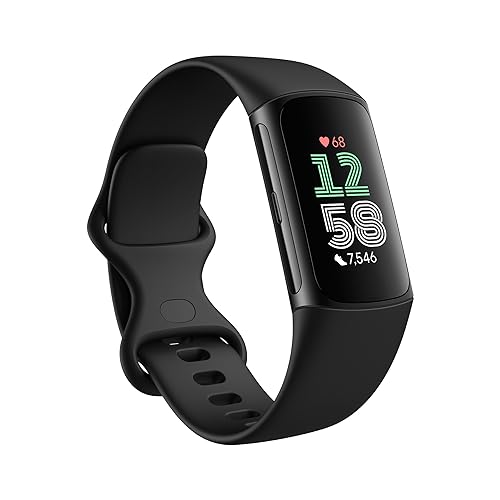
- Built-in GPS and 40+ exercise modes
- Tracks sleep, stress, heart rate, and readiness
- Google Maps and Wallet add everyday utility
Best For: People who want advanced tracking in a compact, connected fitness tracker
Health-Focused Smartwatch Fitness Tracker

- Tracks workouts, sleep score, and overnight vitals
- Offers heart rhythm alerts and sleep apnea notifications
- Adds fall detection, crash detection, and always-on display
Best For: iPhone owners who want a smartwatch with fitness and safety features
Long-Battery Everyday Fitness Tracker

- Up to 10-day battery life
- Tracks sleep, stress, heart rate, and SpO2
- Lightweight design with automatic exercise tracking
Best For: People who want a simple tracker with long battery life and sleep features
Budget Multi-Sport Fitness Tracker

- 24/7 heart rate, blood oxygen, and blood pressure tracking
- 120+ exercise modes with all-day activity stats
- Phone-based GPS plus calls, messages, and reminders
Best For: Budget-minded shoppers who want many health and workout features
All-Around Wellness Tracker

- 24/7 heart rate and 20+ exercise modes
- Sleep, stress, and wellness tracking
- Up to 10-day battery life
Best For: Everyday users who want a lightweight, broad-featured tracker.
Bright Display Long-Life Band

- 1.72-inch AMOLED screen with 1500 nits brightness
- Up to 21 days of battery life
- Tracks sports, heart rate, and sleep
Best For: Shoppers who want a vivid display and extended battery life.
Feature-Packed Budget Tracker
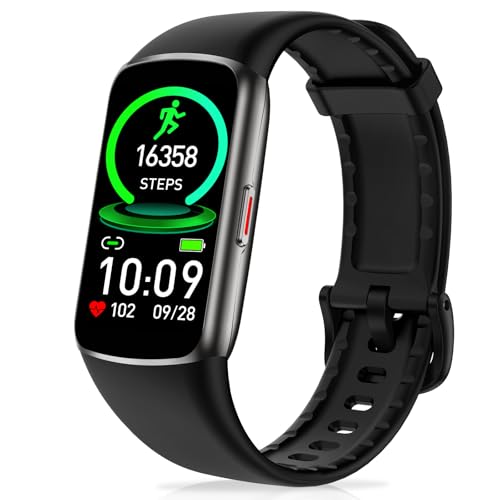
- Tracks heart rate, blood oxygen, sleep, and temperature
- 123 sports modes with daily activity logging
- IP68 waterproof with useful reminder features
Best For: Budget-minded buyers wanting many health and sport features.
Screenless Smart Comfort

- Screenless design for quiet, all-day wear
- Tracks heart rate, SpO2, and skin temp variation
- Up to 7 days battery with fast charging
Best For: Discreet wearers who want app-based coaching and sleep tracking
Budget AMOLED All-Rounder

- Bright 1.10-inch AMOLED touch screen
- 24/7 heart rate and sleep tracking
- 25 sports modes with IP68 water resistance
Best For: Shoppers who want a colorful, budget-friendly all-day tracker
Large Display Sport Tracker

- Large 1.47-inch HD screen with 100+ watch faces
- Tracks heart rate, SpO2, stress, sleep, and activity
- 100+ sports modes plus IP68 waterproofing
Best For: Active users who want a big screen and broad workout tracking
Premium Health-Tracking Fitness Tracker – Google Fitbit Charge 6
If you want fitness trackers that blend strong workout tracking with everyday convenience, the Fitbit Charge 6 is built around that balance. It covers core training metrics, sleep, stress, and heart rate, while also adding built-in GPS, Google Maps directions, and Google Wallet for a more connected routine.
Best For: Users who want a compact tracker with deeper health metrics, built-in GPS, and Google integrations.
Pros:
- Tracks key health and fitness metrics like Active Zone Minutes, Daily Readiness, sleep, and heart rate
- Includes 40+ exercise modes, built-in GPS, and automatic exercise tracking
- Works with Google Maps turn-by-turn directions and Google Wallet tap to pay
- Supports stress management, Sleep Score, Smart Wake, and YouTube Music controls
Cons:
- Google Health Premium features require a separate subscription after the included trial
- Designed as a tracker rather than a full smartwatch experience
The Charge 6 stands out if you want a fitness tracker that does more than count steps. Its combination of health insights, GPS, and practical Google features makes it especially useful for people who train regularly and want fewer devices on their wrist.
Health-Focused Smartwatch Fitness Tracker – Apple Watch SE 3
Among fitness trackers, the Apple Watch SE 3 leans more toward a full smartwatch while still covering the health basics well. It tracks workouts, heart rate, sleep score, and overnight vitals, and it adds safety features and always-on display convenience for everyday wear.
Best For: iPhone users who want a fitness-focused smartwatch with health alerts, sleep tracking, and safety features.
Pros:
- Tracks workouts, steps, heart rate, sleep score, and overnight health metrics
- Includes irregular rhythm alerts, high/low heart rate alerts, and sleep apnea notifications
- Always-on display, all-day battery life, and fast charging improve daily usability
- Safety tools like fall detection, crash detection, and Check In add peace of mind
Cons:
- GPS model works with iPhone or Wi-Fi, so it is best suited to Apple users
- Battery life is measured in hours rather than multi-day use
The SE 3 is a strong pick if you want a smartwatch that doubles as a capable fitness tracker. It is especially appealing for iPhone owners who value health alerts, quick access to messages and calls, and safety features in one package.
Long-Battery Everyday Fitness Tracker – Fitbit Inspire 3
If you want fitness trackers that stay light on the wrist and low on hassle, the Fitbit Inspire 3 is a practical everyday option. It focuses on the essentials like activity tracking, heart rate, sleep, and stress management, while still offering useful extras such as irregular heart rhythm notifications and menstrual health tracking.
Best For: Shoppers who want a simple, lightweight tracker with long battery life and strong sleep tracking.
Pros:
- Tracks Daily Readiness, Active Zone Minutes, heart rate, and automatic exercise sessions
- Includes sleep tracking, Sleep Score, smart wake alarm, and sleep mode
- Offers stress management score, SpO2, and irregular heart rhythm notifications
- Up to 10-day battery life keeps charging frequency low
Cons:
- GPS is via smartphone rather than built into the tracker
- Smaller screen and minimalist design may feel basic for some users
The Inspire 3 is a good fit for buyers who want a straightforward tracker that emphasizes wellness and convenience. It is especially compelling if long battery life and sleep-focused features matter more than a smartwatch-style interface.
Budget Multi-Sport Fitness Tracker – 120+ Mode Smart Watch
For shoppers comparing budget fitness trackers, this model stands out by packing a wide feature list into an affordable smartwatch-style design. It offers 24/7 heart rate, blood oxygen, blood pressure monitoring, sleep tracking, and over 120 exercise modes, making it a broad all-rounder for everyday training and wellness.
Best For: Buyers who want a low-cost tracker with lots of sport modes and broad health monitoring.
Pros:
- Monitors heart rate, blood oxygen, blood pressure, and sleep around the clock
- Supports 120+ exercise modes plus all-day steps, distance, and calorie tracking
- Includes call and message notifications, weather, timer, music control, and more
- Works with Android and iPhone and offers GPS route mapping through the phone
Cons:
- GPS relies on connecting to your phone rather than built-in navigation
- Compatibility requirements are older than major-brand trackers, so app support may vary by device
This is the kind of fitness tracker that prioritizes feature count over brand ecosystem polish. It makes sense if you want a versatile watch for workouts and day-to-day reminders without paying for premium brand hardware.
All-Around Wellness Tracker – Fitbit Inspire 3
If you want a simple fitness tracker that covers daily activity, sleep, stress, and heart health, the Fitbit Inspire 3 is built for everyday use. It combines all-day tracking with a lightweight, water-resistant design and a battery life that can reach up to 10 days, so it fits easily into a busy routine.
Best For: People who want a lightweight, easy-to-wear tracker with broad wellness features and long battery life.
Pros:
- Tracks daily activity with 24/7 heart rate, Active Zone Minutes, and 20+ exercise modes.
- Includes sleep tracking, Sleep Score, Sleep Profile, and a smart sleep alarm.
- Offers stress tools like Stress Management Score, mindfulness sessions, and breathing exercises.
- Water resistant to 50 meters and includes calls, texts, and app notifications.
Cons:
- Some advanced insights require the included Premium trial and activation.
- Compatibility is limited to iOS 15+ and Android 9+.
The Inspire 3 is a strong pick if you want one of the more balanced fitness trackers for everyday health monitoring rather than a sports-heavy wearable. Its mix of sleep, stress, and activity features makes it a practical choice for steady, long-term use.
Bright Display Long-Life Band – Xiaomi Mi Smart Band 10
The Xiaomi Mi Smart Band 10 is a practical fitness tracker for users who care about screen quality and battery life. Its 1.72-inch AMOLED display is designed for sharp, easy-to-read viewing, while the 21-day battery life and fast charging make it appealing if you do not want to recharge often.
Best For: Users who want a bright display, long battery life, and a slim everyday tracker.
Pros:
- Large 1.72-inch AMOLED display with bright, color-accurate visuals.
- Up to 21 days of battery life with fast charging in about an hour.
- Includes multi-sport tracking, heart rate monitoring, and sleep insights.
- High 1500 nits brightness helps readability in direct sunlight.
Cons:
- Xiaomi Fit app supports metric units by default.
- Some imperial measurements may require third-party app connections.
This band stands out among fitness trackers for people who want a readable display and low-maintenance charging. It is especially appealing if you prefer a streamlined wearable that still covers training, sleep, and daily activity basics.
Feature-Packed Budget Tracker – Zeacool 123-Sport Band
The Zeacool fitness tracker packs a long list of health and activity features into a compact band-style design. It covers heart rate, blood oxygen, sleep, temperature, and calorie tracking, while also adding a large sports mode count and IP68 waterproofing for everyday wear.
Best For: Buyers who want a budget-friendly tracker with lots of health and sport functions.
Pros:
- Monitors heart rate, blood oxygen, sleep, and temperature around the clock.
- Supports 123 sports modes for detailed workout logging.
- IP68 waterproof rating supports use in rain, washing hands, bathing, and swimming.
- Includes extras like drinking water reminders, sedentary reminders, and remote photography.
Cons:
- The app experience depends on the Da Fit app for health data.
- Standout battery life is good, but not as long as some higher-end trackers.
If you want fitness trackers with a lot of functions rather than a stripped-down step counter, this model offers plenty to work with. It is a practical choice for users who want broad health monitoring and multiple sports modes without moving to a premium wearable.
Screenless Smart Comfort – Fitbit Air
If you want fitness trackers that stay out of the way, Fitbit Air is built around comfort, quiet wearability, and simple everyday health monitoring. Its screenless design keeps distractions low while the sensors and app-based coaching handle the tracking.
Best For: People who want a discreet tracker for all-day wear, sleep, and coaching-driven health habits.
Pros:
- Screenless design is easy to wear as a bracelet, workout band, or sleep band.
- Tracks heart rate, SpO2, skin temperature variation, and movement with updated sensors and algorithms.
- Up to 7 days of battery life, with fast charging for about a day of use in 5 minutes.
- Works with Google Health and offers a 3-month Premium trial for personalized coaching.
Cons:
- No display, so you must use the app for feedback and insights.
- GPS is via smartphone rather than built into the tracker.
Overall, Fitbit Air is a strong pick if you value comfort and low-profile tracking over on-device stats. It fits well into daily routines and sleep wear, but buyers who want a visible screen may prefer a more traditional fitness band.
Budget AMOLED All-Rounder – Bakoor 1.10" AMOLED Tracker
Among fitness trackers with a full display, this Bakoor model packs a lot into a simple wrist-worn package. It combines continuous activity tracking, sleep monitoring, and app notifications with a bright AMOLED screen that makes everyday use straightforward.
Best For: Buyers who want a feature-packed tracker with a colorful screen, long battery life, and everyday health reminders.
Pros:
- 1.10-inch AMOLED touch screen makes calls, messages, and watch faces easy to read.
- Tracks 24/7 heart rate, sleep, breathing rate, HRV, steps, calories, and more through the app.
- Includes 25 sports modes, connected GPS support, and practical features like hydration and sedentary reminders.
- Up to 7 days of battery life and IP68 water resistance for daily wear.
Cons:
- Blood pressure appears in the product title, but the detailed feature list emphasizes heart rate monitoring.
- Health data is noted as reference-only and does not replace medical advice.
This is a practical choice if you want a colorful, easy-to-use tracker without paying for premium-brand extras. It covers the basics well and adds a broad set of lifestyle tools, though it is best treated as a wellness companion rather than a medical device.
Large Display Sport Tracker – VeryFit 1.47" HD Band
If you want fitness trackers with a bigger screen and broad workout support, this VeryFit band is built for easy daily use. It focuses on core health metrics, a large HD display, and a long-lasting battery that suits training and routine wear.
Best For: Users who want a large display tracker with lots of sports modes and reliable battery life.
Pros:
- 1.47-inch HD touch display with 100+ watch faces for a more customizable look.
- Tracks heart rate, SpO2, stress, sleep stages, steps, calories, and distance.
- Supports 100+ sports modes, including running, cycling, yoga, swimming, and hiking.
- Lightweight build with up to 7-15 days of battery life and IP68 waterproofing.
Cons:
- No built-in GPS is listed; connected use depends on the phone.
- Feature set is broad, but the product is positioned more as a smart band than a full smartwatch.
For shoppers comparing fitness trackers by display size and workout variety, this model stands out as a flexible daily companion. It offers solid health monitoring, plenty of sports modes, and long battery life in a lightweight design.
How We Picked These Fitness Trackers
We prioritized Fitness Trackers that balance accurate-looking core health features, comfortable all-day wear, reliable battery life, and strong app support. We also considered screen quality, workout mode variety, waterproofing, and how well each device fits different budgets and use cases.
Quick Comparison
For simple, low-profile tracking, screenless and slim band-style devices are often the easiest to wear all day. If you want more health and lifestyle features in one device, a smartwatch-style tracker gives you a broader experience, but usually at the cost of shorter battery life. Midrange Fitness Trackers tend to offer the best mix of value, comfort, and practical health monitoring.
Key Buying Factors for Fitness Trackers
Health Metrics
Look for the measurements you actually plan to use. Heart rate, sleep tracking, SpO2, activity tracking, and workout modes are the most common features. Some models add blood pressure estimates, but those should be treated as convenience features rather than medical tools.
Battery Life and Charging
If you hate frequent charging, choose a tracker known for multi-day or multi-week battery life. Longer battery life is especially useful for sleep tracking because it reduces the chance of missing overnight data.
Comfort and Design
A tracker only helps if you wear it consistently. Slim bands and lightweight devices are usually best for sleep and all-day wear, while larger screens may be easier to read but can feel less discreet.
App and Ecosystem Support
Fitness Trackers are only as useful as their companion apps. Check whether the app offers clear trends, easy syncing, and useful health insights. This is particularly important if you want long-term progress tracking instead of just daily step counts.
Who Should Buy Which Fitness Trackers?
If you want a simple, low-fuss option for daily movement and sleep monitoring, choose a lightweight band or screenless tracker. If you want a more complete device for workouts, notifications, and broader health tracking, a smartwatch-style model may be the better fit. Budget shoppers should look for straightforward Fitness Trackers with strong core metrics, while buyers who care most about battery life should prioritize streamlined bands and efficient displays.
For most people, the best choice is the tracker you will actually wear every day. Comfort, readability, and dependable app support usually matter more than a long list of extra features.