Choosing a gym watch with strength recovery metrics can make training feel more structured and less guesswork-driven. The best models help you balance hard sessions with rest, track fatigue, and see when your body is ready to push again.
In this roundup, we focused on watches that combine solid workout tracking, recovery insights, and practical everyday features like battery life, GPS, and comfort.
Best 10 Gym Watch with Strength Recovery Metrics Picks for 2026
Runner’s Recovery Pick

- Training readiness score with HRV and sleep inputs
- Morning report plus daily suggested workouts
- Light 42 mm AMOLED watch with 30+ activity profiles
Best For: Runners and multi-sport athletes wanting recovery guidance
Budget Wellness Tracker

- Daily Readiness Score for simple recovery guidance
- Sleep, stress, and 24/7 heart rate tracking
- Compact tracker with 40+ exercise modes
Best For: Everyday users who want simple recovery and wellness tracking
Outdoor Training Specialist

- HRV, VO2 Max, TSS, CTL, and TSB training metrics
- Dual-band GNSS with global offline maps
- Compact AMOLED watch with 95+ sports modes
Best For: Training-focused users who want recovery analytics and navigation
Runner-Focused Recovery Pick
POLAR Pacer Pro for Training and Recovery
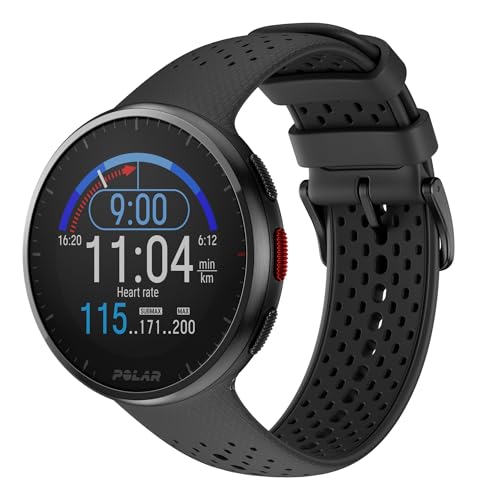
- Lightweight 41g design
- Heart rate, sleep, and recovery tools
- GPS with 150+ sports support
Best For: Runners who want a light training watch with recovery guidance
Simple Training Planner
Garmin Forerunner 55 with Suggested Workouts

- Daily suggested workouts based on recovery time
- Up to 2 weeks of battery life
- Heart rate and GPS tracking
Best For: Beginners who want easy workout guidance and long battery life
Feature-Rich Wellness Pick
CMF Watch 3 Pro for Recovery and Fitness

- Heart rate, SpO₂, stress, and sleep tracking
- Active Score and training load analysis
- 130+ sport modes with GPS
Best For: Users who want recovery insights plus everyday smartwatch features
Premium Multisport Performance
Garmin epix Pro (Gen 2) Sapphire 51mm

- Training readiness and HRV help with recovery
- Strength training features support gym work
- AMOLED display with sapphire/titanium build
Best For: Larger wrists and athletes wanting detailed recovery data
Balanced Fitness Pick

- Body Battery, HRV, and sleep coaching
- Recovery time plus workout benefit metrics
- Animated strength workouts and 11-day battery
Best For: Everyday users who want recovery tracking and guided workouts
Value Training All-Rounder

- BioCharge recovery monitoring and Zepp training insights
- 150+ sports modes with HYROX and strength
- 20-day battery and large 2.07-inch AMOLED display
Best For: Users who want long battery life and balanced training guidance
Runner’s Recovery Pick – Garmin Forerunner 265S
If you want a gym watch with strength recovery metrics that also stays strong for running and cross-training, the Garmin Forerunner 265S is a practical fit. It combines training readiness, HRV status, morning report insights, and daily suggested workouts so you can decide whether to push hard or back off after demanding sessions.
Best For: Runners and multi-sport athletes who want recovery-focused guidance in a lighter 42 mm watch.
Pros:
- Training readiness score uses sleep, recovery, training load, and HRV status.
- Morning report and daily suggested workouts help guide each session.
- Lightweight 42 mm design with AMOLED display and button controls.
- Built-in GPS, multi-band GNSS, and 30+ activity profiles add versatility.
Cons:
- More running-focused than a pure strength-training watch.
- Recovery data is presented as an estimation of tracked metrics.
- Smartwatch battery life depends on mode and usage.
For buyers who want structured recovery guidance without giving up a strong training toolkit, this model is one of the most balanced options here.
Premium Endurance Option – Amazfit Balance 2
The Amazfit Balance 2 is a strong gym watch with strength recovery metrics if you want a premium-feeling smartwatch that can handle long training blocks. Its 24/7 health monitoring, HRV-based recovery metrics, and Workout Mode focus make it easy to keep an eye on how hard you’re working while staying locked in during sessions.
Best For: Athletes who want long battery life, broad sports tracking, and recovery monitoring in a premium design.
Pros:
- Up to 21-day battery life reduces charging interruptions.
- Recovery metrics include HRV alongside heart rate, sleep, and stress tracking.
- 170+ sport modes plus multisport tracking support varied training styles.
- Dual-band GPS and offline maps add strong outdoor navigation value.
Cons:
- Large 47 mm size may not suit smaller wrists.
- Workout Mode silences notifications, which some users may not prefer.
- Recovery tools are health-focused rather than strength-specific coaching.
This is a good choice if you want a polished watch that blends performance tracking, recovery monitoring, and serious battery life.
Budget Wellness Tracker – Fitbit Inspire 3
If you mainly want a simple gym watch with strength recovery metrics, the Fitbit Inspire 3 keeps the focus on readiness, stress, and sleep. It is lighter and more compact than full smartwatches, but the Daily Readiness Score and 24/7 heart rate monitoring can still help you judge whether your body is ready for another workout.
Best For: Buyers who want an easy-to-wear tracker for recovery, sleep, and everyday fitness habits.
Pros:
- Daily Readiness Score helps gauge how prepared you are to move.
- Sleep Score, stress management, and 24/7 heart rate cover core recovery signals.
- Compact tracker design is comfortable for all-day wear.
- 40+ exercise modes and automatic tracking support basic workout variety.
Cons:
- Uses GPS via smartphone rather than built-in GPS.
- Less advanced than full-featured training watches.
- Smaller screen and simpler interface limit on-device detail.
For everyday users who value straightforward recovery feedback over deep training analytics, this is an easy watch to live with.
Outdoor Training Specialist – SUUNTO Race S
The SUUNTO Race S is a strong choice if you want a gym watch with strength recovery metrics that also handles outdoor training and navigation. It pairs HRV, VO2 Max, TSS, CTL, and TSB with a compact AMOLED design, so you can monitor training stress and recovery while still getting useful route tools for running, cycling, and more.
Best For: Training-focused users who want recovery analytics, navigation, and a lightweight AMOLED watch.
Pros:
- Training metrics include HRV, VO2 Max, TSS, CTL, and TSB.
- Dual-band GNSS and global offline maps improve outdoor tracking.
- Compact, lightweight build with AMOLED touchscreen and digital crown.
- 95+ sports modes support a wide range of workouts.
Cons:
- More performance-oriented than a simple gym-only tracker.
- Battery life is shorter in performance GPS mode than in daily use.
- Some advanced tools are most useful when paired with the Suunto app.
If your training includes both gym work and outdoor sessions, this model offers one of the richest recovery toolsets in the group.
Runner-Focused Recovery Pick – POLAR Pacer Pro for Training and Recovery
If you want a gym watch with strength recovery metrics that also feels tuned for endurance training, the Polar Pacer Pro is a strong fit. It keeps the focus on lightweight comfort, heart rate tracking, sleep, and recovery tools, while still covering pace, distance, laps, and 150+ sports modes.
Best For: Runners and multi-sport athletes who want a light watch with recovery-focused training tools.
Pros:
- Very light at 41g, which should suit all-day wear and longer workouts.
- Includes heart rate, sleep, and recovery tools to support training decisions.
- Up to 35 hours of battery life in training mode.
- Supports 150+ sports with GPS and pace/distance tracking.
Cons:
- Buttons-only control may feel basic if you prefer a touchscreen.
- Built more for running and cardio than full strength-training analytics.
- Water resistance details are modest compared with some multisport watches.
Overall, the Pacer Pro is best when your priority is lightweight training support and recovery insight rather than a feature-heavy smartwatch experience. It’s a practical pick for athletes who want clear workout data without extra bulk.
Simple Training Planner – Garmin Forerunner 55 with Suggested Workouts
The Garmin Forerunner 55 is a straightforward gym watch with strength recovery metrics support in the broader sense of training recovery and workout planning. It tracks heart rate and GPS, then uses your training history and recovery time to suggest workouts, making it a practical option if you want guidance without a steep learning curve.
Best For: Beginners and casual runners who want easy training guidance and long battery life.
Pros:
- Daily suggested workouts are based on training history, fitness level, and recovery time.
- Up to 2 weeks of battery life in smartwatch mode.
- Tracks heart rate, GPS distance, pace, and route data.
- Includes useful running, cycling, swim, HIIT, and breathwork profiles.
Cons:
- Lacks advanced strength-training metrics and deeper recovery analytics.
- Button-based interface is simple but not as modern as touch models.
- Display is functional rather than flashy.
In short, the Forerunner 55 is a reliable entry point if you want a low-friction training watch that helps remove guesswork. It’s especially appealing for runners who value battery life and coaching-style suggestions over advanced smart features.
Feature-Rich Wellness Pick – CMF Watch 3 Pro for Recovery and Fitness
If you’re shopping for a gym watch with strength recovery metrics, the CMF Watch 3 Pro stands out for its recovery tracking and workout analysis features. It monitors heart rate, SpO₂, stress, sleep quality, and naps, while also using Active Score and training load details to give a broader picture of activity and recovery.
Best For: Users who want a more connected smartwatch with recovery insights, calls, and multi-sport tracking.
Pros:
- Tracks heart rate, SpO₂, stress, sleep quality, and naps.
- Uses Active Score and performance analysis to support workout and recovery tracking.
- Offers 130+ sport modes with GPS and motion recognition.
- Up to 13 days of battery life with smartwatch conveniences like calls and quick replies.
Cons:
- Recovery and fitness insights are broad, not specialized for heavy strength programming.
- Feature set may feel more complex than a basic fitness watch.
- Battery life drops with heavy use of smart and calling features.
Overall, the Watch 3 Pro is the most all-around option here if you want recovery data plus everyday smartwatch features. It blends wellness tracking, workout analysis, and connected conveniences in a single watch.
Premium Multisport Performance – Garmin epix Pro (Gen 2) Sapphire 51mm
If you want a gym watch with strength recovery metrics that also handles serious outdoor training, the Garmin epix Pro (Gen 2) is built for that all-around role. It combines training readiness, advanced recovery insights, HRV status, sleep monitoring, and strength training features with a bright AMOLED display and rugged premium materials.
Best For: Larger wrists, multisport athletes, and users who want detailed recovery data plus premium build quality.
Pros:
- Training readiness, HRV status, and advanced sleep monitoring help you judge recovery.
- Strength training features, wrist-based running power, and pacing modes support gym and race-day work.
- Built-in flashlight, sapphire lens, and titanium bezel add durability and convenience.
- Multi-band GPS and SatIQ improve positioning in challenging environments.
Cons:
- 51mm case size may feel too large for smaller wrists.
- Feature set is broad, so some buyers may not need this level of complexity.
- Premium materials and capabilities place it at the high end of the lineup.
This is the strongest option if you want one watch to cover hard training, recovery, and outdoor navigation. It is especially appealing when you value detailed metrics and premium hardware over a lighter, simpler fitness watch.
Balanced Fitness Pick – Garmin vívoactive 6 Bone
The Garmin vívoactive 6 is a practical gym watch with strength recovery metrics for people who want guidance without going all-in on a heavy training device. It offers Body Battery energy monitoring, sleep coaching, HRV status, recovery time, and animated strength workouts, making it easy to follow how your body is handling training day to day.
Best For: Everyday fitness users who want recovery tracking, guided workouts, and a lighter smartwatch.
Pros:
- Body Battery, sleep score, and HRV status give a clear read on recovery.
- Recovery time and workout benefit help explain how exercise affects your body.
- Animated strength, cardio, yoga, HIIT, and Pilates workouts support variety.
- 11-day battery life and a bright AMOLED display make it easy to live with.
Cons:
- It is less specialized than Garmin’s higher-end training models.
- No rugged premium materials like sapphire or titanium.
- 42mm sizing may be modest for users who prefer a larger watch face.
If you want a simpler daily wearable that still gives useful training and recovery feedback, this is the most approachable pick here. It balances health tracking, workouts, and battery life without feeling overbuilt.
Value Training All-Rounder – Amazfit Bip Max 2.07" AMOLED
The Amazfit Bip Max is a compelling gym watch with strength recovery metrics if you want long battery life, a big screen, and training tools in one affordable-feeling package. The Zepp app combines endurance, strength, and recovery insights, while BioCharge recovery monitoring, Training Load, and Training Effect help you time hard sessions and rest days.
Best For: Buyers who want a large display, long battery life, and balanced training-recovery guidance.
Pros:
- BioCharge recovery monitoring adapts to sleep, workouts, and stress.
- Hybrid training tools cover endurance, strength, and recovery in the Zepp app.
- 150+ sports modes, including HYROX and strength training, add versatility.
- 20-day battery life and 4GB storage make it convenient for daily use.
Cons:
- It measures fewer named health metrics than Garmin’s more advanced models.
- The square 50mm design may not suit every wrist or style preference.
- Maximum brightness is listed, but overall ecosystem depth is less established than Garmin’s.
This is a strong choice when you want broad sports support and recovery guidance without a premium price focus. The large AMOLED display and long battery life make it easy to keep on through both workouts and rest days.
How We Picked the Best Gym Watch with Strength Recovery Metrics
We prioritized watches that offer meaningful recovery data, dependable workout tracking, and enough battery life to stay useful through regular training weeks. For a Gym Watch with Strength Recovery Metrics, the most valuable features are not just heart rate and calories, but also sleep analysis, training load, recovery time, stress trends, and readiness-style guidance.
We also favored models with clear displays, comfortable sizing, and app ecosystems that make the data easy to understand after a workout.
Quick Comparison
For most buyers, the best choice depends on how you train. If you want advanced recovery and training guidance, higher-end multisport watches usually offer the richest data. If you mainly want basic workout tracking with a few wellness signals, a simpler fitness watch may be enough. If battery life and GPS are priorities, look for watches built for longer outdoor sessions and fewer daily charges.
Key Buying Factors for a Gym Watch with Strength Recovery Metrics
Recovery and Readiness Data
Look for sleep scores, recovery timers, body battery-style summaries, stress tracking, and training load analysis. These features help you decide whether to lift heavy, do light accessory work, or rest.
Strength Training Support
Good strength tracking should make it easy to log sets, rest periods, heart rate trends, and workout intensity. Some watches also offer exercise detection, rep counting, or muscle-focused training views, which can be helpful if you follow structured lifting programs.
Battery Life
Battery life matters more than many shoppers expect. A watch that lasts several days or more is easier to wear consistently, which improves recovery tracking accuracy over time.
Comfort and Display
If you wear a watch through lifting sessions, interval work, and daily life, comfort matters. A readable display, responsive touch controls, and a size that fits your wrist all improve usability.
App and Data Clarity
The best data is only useful if the app presents it clearly. Choose a platform that turns metrics into simple next-step guidance rather than overwhelming charts.
Who Should Buy Which Gym Watch with Strength Recovery Metrics?
Serious athletes and frequent lifters should lean toward premium watches with deeper training and recovery analytics. Casual gym-goers may prefer a simpler model that covers heart rate, sleep, and basic readiness without a steep learning curve. If you split time between gym work, running, and outdoor training, a multisport option is usually the most flexible choice. For buyers on a tighter budget, a basic fitness tracker can still deliver helpful wellness data, even if strength recovery insights are more limited.
Ultimately, the best Gym Watch with Strength Recovery Metrics is the one that matches your training style, your need for detail, and how often you plan to wear it.