Choosing the right heart rate monitor for cycling can make training more precise, whether you ride indoors, race, or build base fitness outdoors.
Below, we’ve rounded up 10 of the best options for 2026, with an eye on accuracy, comfort, connectivity, and value.
Best 10 Heart Rate Monitor for Cycling Picks for 2026
Premium Accuracy Chest Strap
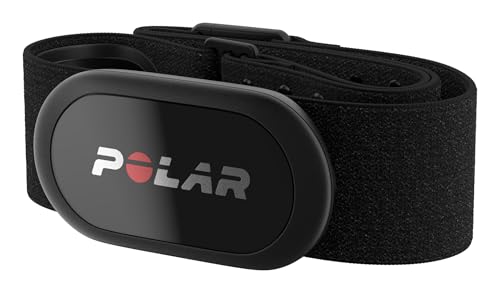
- Top-precision chest-strap sensor
- Bluetooth, ANT+, and 5 kHz support
- Waterproof with internal memory
Best For: Cyclists who want accuracy and broad compatibility
Garmin Training Strap

- Real-time heart rate and HRV data
- Works with Garmin cycling computers and apps
- Machine washable with long battery life
Best For: Garmin users who want a durable cycling strap
Rechargeable Endurance Strap
Wahoo TRACKR Heart Rate Monitor

- Rechargeable battery with 100+ hours
- ANT+ and Bluetooth connectivity
- LED indicators for status and detection
Best For: Cyclists who want long runtime and easy pairing
Garmin Fit-Focused Strap

- Accurate heart rate and HRV tracking
- Garmin device and app compatibility
- Washable strap with 1-year battery life
Best For: Cyclists who want a comfortable Garmin-compatible strap
Gold Standard Pick
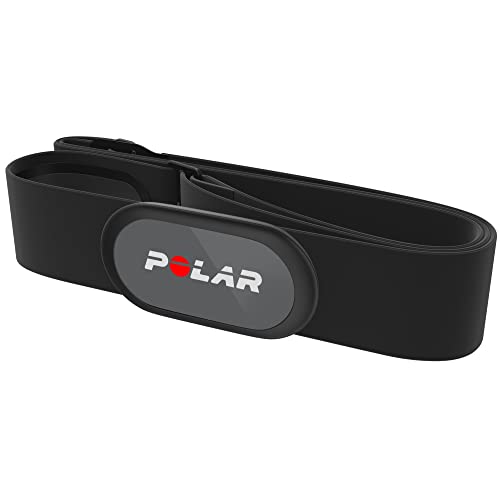
- High-accuracy chest strap heart rate tracking
- Works with all HRM-compatible equipment
- Connects with popular smartphone apps
Best For: Cyclists who want a trusted, no-fuss chest strap with wide compatibility
Dual-Mode Value
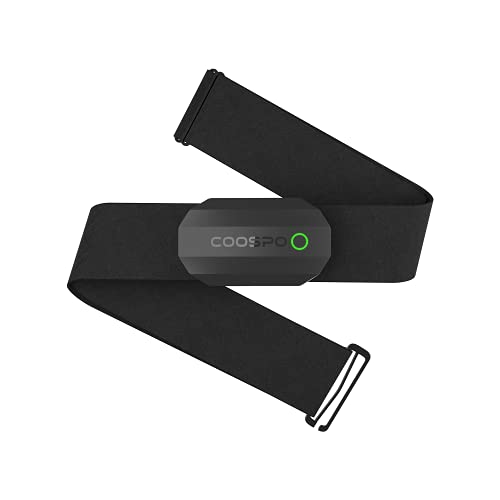
- Bluetooth 4.0 and ANT+ dual-mode connectivity
- Compatible with bike computers and major training apps
- 300-hour battery life with IP67 waterproofing
Best For: Riders who want an affordable chest strap for multi-device training
Comfort-Fit Arm Band

- Soft armband design for more comfortable wear
- Auto wear detection and Bluetooth connectivity
- Pairs with up to three devices
Best For: Cyclists who want a comfortable armband with easy wear and good battery life
Dual-Mode Reliability
Powr Labs Bluetooth ANT+ Heart Rate Monitor Chest Strap for Garmin
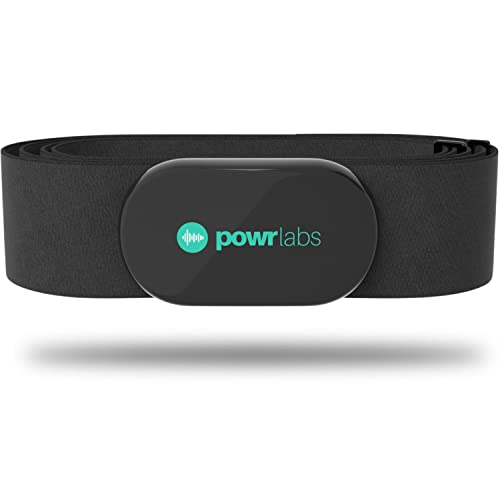
- Dual ANT+ and Bluetooth compatibility
- Soft strap helps reduce chafing
- 400+ hour battery life
Best For: Cyclists who want a comfortable, widely compatible chest strap with long battery life.
Long-Haul Tracking
GEOID HS500 Heart Rate Monitor Chest Strap

- 800-hour battery life
- ANT+ and Bluetooth device support
- LED light confirms connection status
Best For: Riders who want a low-maintenance strap with huge battery life and easy connection checks.
Training Zone Value
COOSPO Heart Rate Monitor Chest Strap H6M

- Advanced sensor for precise readings
- Bluetooth and ANT+ compatibility
- 400-hour battery life with IP67 protection
Best For: Cyclists and multisport athletes who want a comfortable, app-friendly chest strap for training zones.
Premium Accuracy Chest Strap – Polar H10 Heart Rate Monitor
If you want a heart rate monitor for cycling that prioritizes accuracy and broad compatibility, the Polar H10 is built around dependable chest-strap performance. It works with ANT+, Bluetooth, and 5 kHz connections, so it can pair with a wide range of training gear while keeping measurement quality front and center.
Best For: Cyclists who want a highly accurate chest strap with extensive device compatibility.
Pros:
- Widely recognized for top precision among Polar sensors
- Bluetooth, ANT+, and 5 kHz connectivity for flexible pairing
- Can use Bluetooth and ANT+ connections simultaneously
- Fully waterproof with internal memory for multiple hours
Cons:
- Requires a CR2025 button cell battery
- Chest strap format may not suit riders who prefer an optical sensor
Overall, the Polar H10 is a strong choice when accurate heart-rate tracking matters more than extra features. Its combination of waterproof construction, memory, and wide connectivity makes it especially practical for structured bike training.
Garmin Training Strap – Garmin HRM 200
The Garmin HRM 200 is a practical heart rate monitor for cycling if you want real-time heart rate and HRV data that works with Garmin smartwatches, cycling computers, and other fitness platforms. It is designed for comfort, durability, and simple upkeep, which makes it a straightforward option for regular training.
Best For: Garmin users who want a durable, easy-to-maintain cycling heart rate strap.
Pros:
- Transmits heart rate and heart rate variability data in real time
- Compatible with Garmin smartwatches, cycling computers, apps, and more
- Comfortable strap comes in two size ranges for fit flexibility
- Machine washable and rated for 3 ATM water resistance
Cons:
- Requires a user-replaceable battery instead of rechargeability
- Best value is tied to Garmin-compatible devices
For cyclists already in the Garmin ecosystem, this model keeps things simple while covering the essentials. The long battery life and washable strap add everyday convenience to a monitor built for repeat training.
Rechargeable Endurance Strap – Wahoo TRACKR Heart Rate Monitor
The Wahoo TRACKR is a heart rate monitor for cycling built for riders who want a rechargeable chest strap with long runtime and easy connectivity. It supports ANT+ and Bluetooth, broadcasts to a wide range of fitness equipment, and includes LED indicators to help confirm connection and battery status during workouts.
Best For: Cyclists who want a rechargeable strap with long battery life and simple pairing.
Pros:
- Rechargeable battery with over 100 hours of active life
- ANT+ and Bluetooth support for broad device compatibility
- Slim, soft strap designed to stay secure during intense exercise
- LED indicators confirm detection, battery status, and connection
Cons:
- Compatible devices are listed as smartphones in the supplied notes
- Chest strap design may not appeal to riders wanting a wrist-based monitor
This is a solid pick for riders who want a low-maintenance charger-friendly option instead of a disposable-battery strap. Its long runtime and easy-to-read status indicators make it practical for frequent training sessions.
Garmin Fit-Focused Strap – Garmin HRM 200
This Garmin HRM 200 is another heart rate monitor for cycling option aimed at riders who want accurate real-time heart rate and HRV data in a comfortable, durable strap. It supports Garmin smartwatches, cycling computers, fitness equipment, apps, and smartphones, making it a flexible training companion for the road or trainer.
Best For: Cyclists who want a comfortable Garmin-compatible strap with replaceable battery support.
Pros:
- Provides accurate real-time heart rate and HRV data
- Compatible with Garmin cycling computers, smartwatches, apps, and smartphones
- Available in two size ranges for better fit options
- Machine washable strap with 3 ATM water rating
Cons:
- Uses a user-replaceable CR2032-type battery rather than charging
- Features are centered on Garmin compatibility
For cyclists who prefer a straightforward strap with easy maintenance, this version of the HRM 200 delivers the same core training data in a practical package. The washable strap and long battery life make it well suited to regular workouts.
Gold Standard Pick – Polar H9 Heart Rate Sensor
Polar H9 Heart Rate Sensor – ANT + / Bluetooth - Waterproof HR Monitor with Soft Chest Strap, M-XXL
Check Price On AmazonIf you want a reliable heart rate monitor for cycling, the Polar H9 is a straightforward chest strap built around accurate tracking and broad compatibility. It’s a practical choice for riders who want dependable HR data without extra complexity, and it works with a wide range of HRM-compatible equipment and smartphone apps.
Best For: Cyclists who want a trusted, no-fuss chest strap with strong app and device compatibility.
Pros:
- Recognized for high-accuracy heart rate tracking.
- Works with all HRM-compatible equipment.
- Connects with popular smartphone apps for flexible use.
- Includes a CR2025 battery.
Cons:
- Chest strap design may not suit riders who prefer an arm band.
- Fit depends on selecting the right strap size.
Overall, the Polar H9 is a strong pick if your priority is dependable cycling heart rate data and broad device support. It keeps the focus on accurate monitoring rather than extra features.
Dual-Mode Value – COOSPO H808S Chest HR Monitor
The COOSPO H808S is a solid heart rate monitor for cycling if you want dual connectivity and broad third-party app support. With Bluetooth 4.0 and ANT+ transmission, it is designed to pair with bike computers, fitness devices, and popular training apps for real-time exercise tracking.
Best For: Riders who want an affordable chest strap with Bluetooth and ANT+ for multi-device training.
Pros:
- Bluetooth 4.0 and ANT+ dual-mode connection.
- Compatible with many apps and devices, including bike computers and trainers.
- Claims ±1 BPM accuracy for real-time training data.
- 300-hour battery life and IP67 waterproof rating.
Cons:
- Requires moistening the electrode zones before use.
- Bluetooth connection is intended through the app, not direct phone pairing.
- Strap may need replacement after extended use and repeated washing.
For cyclists who want flexible connectivity and long battery life, the H808S covers the essentials well. It’s especially appealing if you train across multiple platforms and want a practical, budget-friendly chest strap.
Comfort-Fit Arm Band – COROS Heart Rate Monitor
If you prefer an arm-based heart rate monitor for cycling, the COROS armband offers a comfortable alternative to a chest strap. It is designed for sports and workouts, with automatic wear detection, Bluetooth connectivity, and support for multiple paired devices.
Best For: Cyclists who want a comfortable armband sensor with easy wear and strong battery life.
Pros:
- Soft, breathable band is more comfortable than a chest strap.
- Auto wear detection powers the sensor on and off.
- Pairs with up to three devices simultaneously.
- Long battery life with 38 hours of full operation.
Cons:
- Bluetooth only; not compatible with ANT+.
- Designed for sports and activities, not daily heart rate tracking.
- USB charging cable included, but no Type-C adapter.
The COROS armband stands out if comfort matters more than a traditional chest strap fit. Its easy wear design and multi-device Bluetooth support make it a convenient option for cyclists who want simple setup and low-fuss training data.
Dual-Mode Reliability – Powr Labs Bluetooth ANT+ Heart Rate Monitor Chest Strap for Garmin
If you want a heart rate monitor for cycling that pairs easily with a bike computer or training app, this Powr Labs chest strap is built around broad compatibility and simple daily use. It supports both ANT+ and Bluetooth, includes a replaceable battery, and is designed to stay comfortable through long rides and sweaty sessions.
Best For: Cyclists who want a comfortable, widely compatible chest strap with long battery life.
Pros:
- Dual ANT+ and Bluetooth support works with cycling computers, Garmin, Wahoo, Polar, Peloton, and 400+ apps.
- Soft, seamless strap is made to reduce chafing and slipping on long training rides.
- 400+ hour battery life means months of use before needing a replacement.
- IPX67 sweatproof and water resistant for hard training in rain or heavy sweat.
Cons:
- To pair correctly, the monitor must be worn before starting pairing.
- It uses a replaceable battery rather than a rechargeable design.
Overall, this is a practical pick if you want a no-fuss cycling heart rate monitor with strong app and device support. The comfort and battery life make it especially appealing for riders who train often and do not want to think about charging.
Long-Haul Tracking – GEOID HS500 Heart Rate Monitor Chest Strap
The GEOID HS500 is a heart rate monitor for cycling that focuses on long battery life, quick wake-up, and broad device support. Its ANT+ and Bluetooth compatibility makes it easy to connect with bike computers, fitness apps, and training platforms, while the LED indicator helps confirm the sensor is active.
Best For: Riders who want a low-maintenance strap with huge battery life and easy connection checks.
Pros:
- ANT+ and Bluetooth support works with bike computers, phones, tablets, watches, and many training apps.
- 800-hour battery life is ideal for riders who want to avoid frequent battery changes.
- LED light confirms the monitor is on and connected.
- IP67 waterproof design handles exercise, sweat, and rainy-day training.
Cons:
- Swimming is not recommended.
- Bluetooth should be connected through the app you are using, not directly through the phone’s Bluetooth menu.
This is a strong choice for cyclists who care most about convenience and endurance. The very long battery life and simple status light make it a low-hassle option for regular indoor or outdoor training.
Training Zone Value – COOSPO Heart Rate Monitor Chest Strap H6M
For cyclists who want a dependable heart rate monitor for cycling without overcomplicating setup, the COOSPO H6M combines Bluetooth and ANT+ compatibility with a comfortable strap and straightforward ride-day use. It is designed for precise tracking, real-time monitoring, and multi-sport training across apps and devices.
Best For: Cyclists and multisport athletes who want a comfortable, app-friendly chest strap for training zones.
Pros:
- Advanced HR sensor is positioned as delivering ultra-precise heart rate readings.
- Bluetooth and ANT+ support works with smartphones, smartwatches, cycling computers, and fitness apps.
- Soft, breathable materials and adjustable fit improve comfort during workouts.
- 400-hour battery life and IP67 protection support sweat and rainy-day training.
Cons:
- Do not use for swimming.
- In dry winter conditions, the belt electrode area may need extra moisture for reliable transmission.
As a cycling chest strap, this COOSPO model stands out for its mix of comfort, compatibility, and training-focused tracking. It is a sensible pick if you want a versatile monitor that can move between your bike workouts and other sports.
How We Picked the Best Heart Rate Monitor for Cycling
We focused on features that matter most for a Heart Rate Monitor for Cycling: reliable readings during hard efforts, comfortable fit for long rides, strong wireless compatibility, battery life, and durability for sweat and weather. We also favored monitors that pair smoothly with popular cycling head units, smartwatches, apps, and indoor training platforms.
Quick Comparison
Most riders will choose between chest straps and newer wear-anywhere sensors. Chest straps tend to deliver the most dependable data for interval work and structured training, while armband-style or auto-wear designs can feel more convenient for casual rides and all-day comfort. If you use multiple devices, dual ANT+ and Bluetooth support is especially useful.
Key Buying Factors for Heart Rate Monitor for Cycling
Accuracy and Signal Stability
For cycling, stable heart-rate data matters more than gimmicks. Look for models known for fast pickup, minimal dropouts, and consistency during climbs, sprints, and sweat-heavy indoor sessions.
Comfort and Fit
A monitor should stay secure without chafing. Adjustable straps, soft sensor housings, and lightweight designs help on longer rides. If you ride indoors often, comfort may be just as important as precision.
Connectivity
ANT+ is ideal for bike computers and many training platforms, while Bluetooth broadens compatibility with phones, tablets, and apps. Dual-protocol support offers the most flexibility.
Battery Life and Durability
Long battery life is useful if you train frequently or don’t want to charge often. Water resistance also matters, since sweat, rain, and indoor humidity can wear down weaker devices over time.
Who Should Buy Which Heart Rate Monitor for Cycling?
Competitive riders and data-focused athletes should prioritize a chest strap with strong accuracy and dual connectivity. If you want the simplest setup for mixed use, choose a monitor with broad app support and long battery life. Riders who value convenience over race-level precision may prefer a more comfortable, easy-to-wear design. For most people shopping for a Heart Rate Monitor for Cycling, the best choice is the one that matches how they train, what devices they already own, and how much setup hassle they’re willing to tolerate.