The best hiking shoes for men should keep your feet comfortable, supported, and protected without feeling unnecessarily heavy. Whether you hike groomed trails, rocky routes, or wet backcountry paths, the right pair can improve traction and reduce fatigue.
We compared 10 popular options across waterproof protection, outsole grip, cushioning, ankle support, durability, and value to help you choose a pair suited to your terrain and hiking style.
Best 10 Hiking Shoes for Men Picks for 2026
Classic Trail Comfort
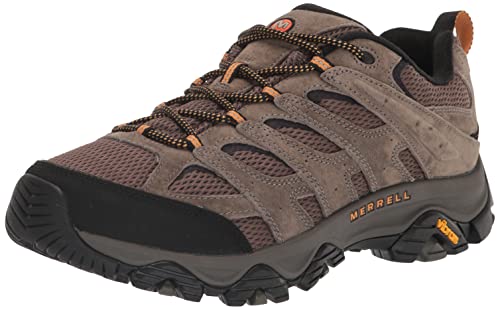
- Leather-and-mesh upper with protective toe cap
- Contoured removable insole with heel cushioning
- Not water resistant
Best For: Dry day hikes and supportive casual trail use
Wet-Weather Traction
Columbia Transverse Hike Waterproof

- Waterproof seam-sealed OMNI-TECH construction
- TECHLITE cushioning for varied surfaces
- OMNI-GRIP traction for wet or dry terrain
Best For: Rainy, snowy, and multi-terrain hikes
Lightweight Grip

- 390 g in a US 9 for a lightweight feel
- EVA midsole cushions each step
- Traxion lugs maximize multidirectional grip
Best For: Dry trails and lightweight outdoor comfort
Everyday Waterproofing

- Waterproof OMNI-TECH construction
- TECHLITE cushioning with OMNI-GRIP traction
- Leather, mesh, and webbing upper
Best For: Everyday hikes in wet or changeable weather
Responsive Trail Value
New Balance Dynasoft Tektrel V1

- Responsive DynaSoft cushioning
- AT Tread outsole for mixed surfaces
- Durable suede and Regrind upper overlay
Best For: Day hikes and mixed-surface trail use
Lightweight Dry-Trail Pick
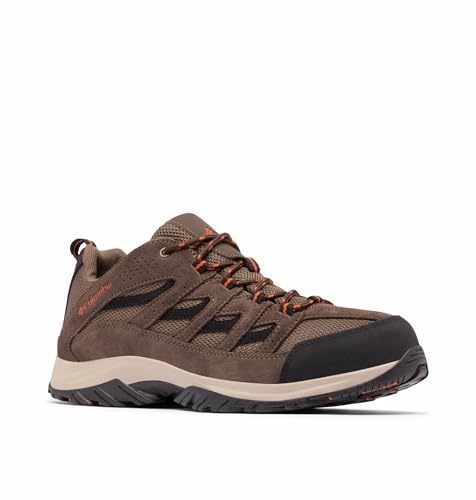
- Lightweight trail-ready construction
- Breathable suede-mesh upper
- High-traction tread for dirt and rocks
Best For: Dry hikes and everyday outdoor wear
Weather-Ready Support

- KEEN.DRY waterproof breathable membrane
- 4mm lugs for muddy and rocky terrain
- Roomy Original Fit with protective toe guard
Best For: Wet-weather and rocky trail hiking
Trail Comfort Pick
NORTIV 8 Waterproof Ankle Hiking Boots

- Waterproof ankle-high design
- Cushioned removable insoles and flexible EVA midsoles
- Slip-resistant rubber traction for wet or muddy ground
Best For: Day hikes and outdoor work requiring ankle coverage
All-Terrain Upgrade
KEEN Targhee 4 Waterproof Hiking Shoes

- Waterproof breathable KEEN.DRY membrane
- Roomy toe area with arch-supporting footbed
- Traction and protection for muddy, rocky trails
Best For: Rugged hikes where fit, traction, and protection are priorities
Roomy Low-Top Choice
NORTIV 8 Waterproof Hiking Shoes

- Roomy toe box for wider feet
- Waterproof build with toe and heel reinforcement
- Deep-lug outsole and cushioned MD midsole
Best For: Wide-footed hikers wanting flexible low-top trail shoes
Classic Trail Comfort – Merrell Moab 3
For dependable hiking shoes for men on established trails, the Merrell Moab 3 combines a pigskin leather and mesh upper with moderate-to-maximum cushioning and a protective toe cap. Its removable contoured insole adds reinforced heel cushioning for medium support.
Best For: Casual day hikes and hikers who want leather construction with supportive cushioning.
Pros:
- Pigskin leather and mesh upper balances durability and breathability.
- Protective toe cap helps guard against trail debris.
- Removable Kinetic Fit ADVANCED insole provides contoured support and reinforced heel cushioning.
- Recycled laces, webbing, and mesh lining add recycled-material content.
Cons:
- Not rated as water resistant.
- Moderate pronation correction may not suit every foot.
The Moab 3 is a practical low-top option for dry trails, with a comfort-focused fit and hard-ground cleat material. Choose another model if waterproof protection is a priority.
Wet-Weather Traction – Columbia Transverse Hike Waterproof
The Columbia Transverse Hike Waterproof is a strong choice among hiking shoes for men who regularly encounter rain or snow. Its seam-sealed OMNI-TECH construction is designed to keep feet dry, while TECHLITE cushioning and OMNI-GRIP traction support varied terrain.
Best For: Wet-weather hikes on rock, dirt, and gravel.
Pros:
- Waterproof, seam-sealed OMNI-TECH construction helps protect against moderate rain and snow.
- TECHLITE midsole provides lightweight impact absorption and energy return.
- OMNI-GRIP outsole is designed for wet and dry multi-terrain traction.
- Leather and mesh upper includes metal hardware and a cushioned collar.
Cons:
- Mid-top hiking-boot design may feel less minimal than a low-top shoe.
- Listed closure type is pull-on rather than lace-up.
With waterproof construction and cross-terrain grip, the Transverse Hike Waterproof is built for changing conditions. It is best suited to hikers who value weather protection over a lightweight low-top profile.
Lightweight Grip – adidas Terrex Anylander
For hikers seeking lightweight hiking shoes for men, the adidas Terrex Anylander pairs a soft, stretchy textile upper with an EVA midsole and directional Traxion lugs. At 390 g in a US 9, it is designed for comfortable movement on rugged terrain.
Best For: Lightweight hiking and casual outdoor use on dry, rugged trails.
Pros:
- Lightweight design weighs 390 g in a US 9.
- EVA midsole delivers step-absorbing, durable cushioning.
- Traxion outsole uses multidirectional lugs for grip.
- Reinforced toe cap adds durability to the soft textile upper.
Cons:
- Not rated as water resistant.
- Synthetic construction may offer a different feel than leather hiking shoes.
The Anylander emphasizes low weight, cushioning, and directional traction rather than weather protection. It is a sensible pick for dry conditions and hikers who prefer a flexible, casual-looking shoe.
Everyday Waterproofing – Columbia Crestwood Waterproof
The Columbia Crestwood Waterproof gives hiking shoes for men a practical all-weather profile, combining a leather, mesh, and webbing upper with waterproof OMNI-TECH construction. TECHLITE cushioning and OMNI-GRIP traction round out its trail-ready design.
Best For: Lightweight waterproof hiking across everyday trails and varied outdoor activities.
Pros:
- Waterproof, seam-sealed OMNI-TECH construction helps keep feet dry.
- TECHLITE cushioning provides lightweight impact absorption.
- OMNI-GRIP outsole is designed for rock, dirt, and gravel in wet or dry conditions.
- Leather, mesh, and webbing upper balances durability with airflow.
Cons:
- Moderate cushioning may be less plush than maximum-cushioning options.
- Pull-on closure may provide less adjustment than a lace-up design.
The Crestwood Waterproof is a versatile low-top hiking shoe for changing weather and routine trail use. Its combination of waterproofing, moderate cushioning, and multi-terrain traction makes it a practical all-around choice.
Responsive Trail Value – New Balance Dynasoft Tektrel V1
The New Balance Dynasoft Tektrel V1 is a versatile option among hiking shoes for men, combining a responsive, cushioned midsole with an AT Tread outsole designed for paved and off-road surfaces. Its suede and synthetic upper also adds everyday durability.
Best For: Day hikes, trail running, and mixed paved-to-trail routes in generally dry conditions.
Pros:
- DynaSoft midsole balances responsive performance with plush comfort.
- AT Tread outsole provides traction on paved and off-road surfaces.
- Regrind upper overlay and suede construction add durability.
- Moderate-to-high cushioning with EVA foam insole.
Cons:
- Low-top design offers less ankle coverage than a hiking boot.
- Listed water resistance may be less protective than a fully waterproof hiking shoe.
Choose this model if you want a lightweight athletic feel and one shoe for trails plus everyday wear. It is especially appealing when cushioning and versatile traction matter more than maximum weather protection.
Lightweight Dry-Trail Pick – Columbia Crestwood
The Columbia Crestwood is a practical choice among hiking shoes for men who prioritize a lightweight, breathable design for dry trails. Its suede-mesh upper and high-traction tread are suited to dirt, rocks, and varied terrain without a bulky feel.
Best For: Dry-environment hikes, casual outdoor wear, and ready-to-wear trail outings.
Pros:
- Lightweight construction is designed to avoid unnecessary bulk.
- Breathable suede mesh suits dry environments.
- High-traction tread supports stability on dirt, rocks, and varied terrain.
- Designed for comfort without a break-in period.
Cons:
- Not water resistant, so it is less suitable for wet conditions.
- Low-top profile provides limited ankle coverage.
The Crestwood makes sense for hikers who want a straightforward, comfortable shoe for dry conditions. Its traction and breathable upper are useful on everyday trails, but wet-weather hikers should consider a waterproof alternative.
Weather-Ready Support – KEEN Targhee 3 Low Waterproof
The KEEN Targhee 3 Low is built for hikers seeking waterproof protection and dependable support in a low-height shoe. Its KEEN.DRY membrane, protective toe guard, and all-terrain rubber outsole make it a strong choice for varied trail conditions.
Best For: Wet-weather hikes, rocky trails, and hikers who prefer a roomier toe box.
Pros:
- KEEN.DRY membrane helps keep feet dry while allowing vapor out.
- KEEN ALL-TERRAIN rubber and 4mm lugs provide traction on muddy and rocky surfaces.
- Bruise plate and abrasion-resistant toe guard add trail protection.
- Original Fit leaves generous space for toes to spread out.
Cons:
- Moderate cushioning may feel less plush than highly cushioned trail shoes.
- Leather construction and waterproof features may feel less airy in warm, dry conditions.
- Low-height design provides less coverage than a mid-cut hiking boot.
This is the most protection-focused option in the group, particularly for wet or rocky routes. Its waterproof build, stable heel cradle, and roomy fit suit demanding hikes, while the low profile preserves a more agile feel than a traditional boot.
Trail Comfort Pick – NORTIV 8 Waterproof Ankle Hiking Boots
For hikers who prefer extra ankle coverage, these NORTIV 8 boots are a practical option among hiking shoes for men. They combine waterproof construction with cushioned insoles, flexible EVA midsoles, and a slip-resistant rubber outsole for everyday trail use.
Best For: Day hikes, camping, work outdoors, and wet or muddy terrain where ankle-high coverage and traction are useful.
Pros:
- Waterproof construction helps keep feet dry.
- Removable shock-absorbent insoles and flexible EVA midsoles support long wear.
- Rubber outsoles provide traction on wet and muddy surfaces.
- Suitable for hiking, hunting, camping, cycling, and other outdoor activities.
Cons:
- Ankle-high boot design may feel less streamlined than low-top hiking shoes.
- The supplied details do not specify a wide-fit option.
Choose these when comfort, waterproofing, and ankle-height coverage matter more than a lightweight low-top profile. The removable insole and supportive midsole also make them a versatile choice for extended outdoor use.
All-Terrain Upgrade – KEEN Targhee 4 Waterproof Hiking Shoes
The KEEN Targhee 4 is a strong contender for hiking shoes for men who want waterproof protection, generous toe space, and dependable traction. Its low-height design pairs a waterproof breathable membrane with a supportive footbed and protective toe features.
Best For: Hikes across muddy and rocky surfaces, especially for users who value toe room, arch support, and durable construction.
Pros:
- KEEN.DRY membrane helps keep feet dry while allowing vapor to escape.
- Generous toe area lets toes spread naturally.
- KEEN.ALL-TERRAIN rubber outsole is designed for mud and rock.
- Removable Luftcell footbed, padded collar, and tongue add cushioning and comfort.
Cons:
- The low-height design provides less ankle coverage than hiking boots.
- Its leather outer material may appeal less to shoppers seeking an all-synthetic shoe.
This is the most feature-focused option in the group for rugged trail conditions. Direct-attach construction, a bruise plate, and a rubber toe guard add durability and protection, while the roomy fit supports comfortable movement on longer hikes.
Roomy Low-Top Choice – NORTIV 8 Waterproof Hiking Shoes
These NORTIV 8 low-top shoes are a practical pick among hiking shoes for men who want a roomy toe box and lightweight trail comfort. Their waterproof membrane, reinforced protection, and deep-lug outsole are suited to hiking, camping, and other outdoor activities.
Best For: Hikers with wide feet or those who prefer a flexible low-top shoe for trails, puddles, and outdoor work.
Pros:
- Roomy toe box accommodates wider feet.
- Waterproof membrane helps protect against shallow streams and puddles.
- Rubber toe cap and reinforced heel add impact protection and stability.
- Deep-lug outsole and cushioned MD midsole support varied outdoor surfaces.
Cons:
- Low-top construction offers less ankle coverage than the NORTIV 8 ankle-high boots.
- The supplied details do not specify a breathable waterproof membrane.
For shoppers prioritizing space and flexibility, this model offers a comfortable alternative to traditional hiking boots. Its combination of maximum cushioning, protective reinforcements, and rugged grip makes it well suited to casual hikes and everyday outdoor use.
How We Picked the Best Hiking Shoes for Men
We evaluated these hiking shoes and boots based on the features that matter most on the trail: traction, weather protection, comfort, support, fit, weight, durability, and price. The selection includes low-cut shoes for day hikes, waterproof trail shoes for changeable conditions, and higher-cut boots for hikers who prefer additional ankle coverage.
Because no single pair works for every trail, we considered how each model balances flexibility and protection. We also looked for practical differences in cushioning, outsole design, materials, and intended use rather than treating all hiking footwear as interchangeable.
Quick Comparison
| Best For | Look For | Recommended Type |
|---|---|---|
| Everyday day hikes | Comfortable cushioning and dependable grip | Low-cut hiking shoe |
| Wet or muddy trails | Waterproof construction and lugged outsole | Waterproof hiking shoe or boot |
| Longer hikes | Supportive midsole, secure fit, and durable upper | Structured hiking shoe |
| Light trail running and fast hikes | Lower weight, flexibility, and responsive cushioning | Trail-running or hybrid shoe |
| Extra ankle coverage | Higher collar and stable heel hold | Ankle-height hiking boot |
Key Buying Factors for Hiking Shoes for Men
Fit and Break-In Comfort
Your heel should stay secure without pressure, while your toes need enough room to spread and move downhill without hitting the front. Try shoes with the socks you plan to hike in, and leave a little extra space for foot swelling on longer outings. Some models require a break-in period, especially those with stiffer uppers.
Waterproofing and Breathability
Waterproof membranes help block rain, puddles, and wet grass, but they can feel warmer than non-waterproof materials. Choose waterproof hiking shoes for consistently damp conditions; for hot, dry trails, a more breathable upper may be more comfortable.
Traction and Terrain
Look for deep, well-spaced lugs when hiking on mud, loose dirt, or uneven ground. Shallower tread can feel smoother and more efficient on packed trails. A stable outsole and protective toe area are especially useful on rocky routes.
Support, Cushioning, and Weight
More cushioning can improve comfort over long distances, while a firmer platform may provide better stability with a loaded pack. Lightweight shoes suit quick day hikes and faster movement; sturdier designs are often preferable for rough terrain or heavier loads.
Who Should Buy Which Hiking Shoes for Men?
Choose a lightweight low-cut model if you mainly hike maintained trails and prioritize flexibility. A waterproof low shoe is a practical all-purpose choice for mixed weather and everyday trail use. Hikers carrying heavier packs or traveling over uneven terrain may prefer a more structured shoe or ankle-height boot.
If you want one versatile pair, prioritize secure fit, reliable traction, and moderate cushioning over extra features. For frequent wet-weather hikes, waterproof construction is worth considering. For warm climates or high-output hiking, favor breathability and lower weight. Finally, check sizing carefully and break in any new pair before taking it on a long or remote hike.