The best lightweight sleeping bags make overnight trips easier without adding unnecessary bulk to your pack. The right choice depends on more than listed weight: temperature ratings, insulation, shape, packed size, and moisture resistance all affect comfort outdoors.
This roundup compares 10 options for backpackers, campers, scouts, and families, including compact synthetic bags, warm-weather models, and down-insulated designs.
Best 10 Lightweight Sleeping Bags Picks for 2026
Best Year-Round Value
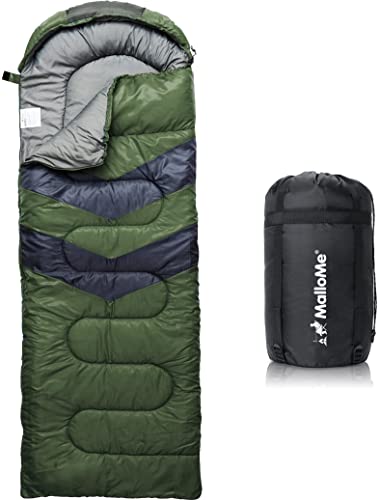
- 50–80°F comfort range
- Waterproof, easy-clean shell
- Includes compression sack
Best For: Family camping and casual 3-season backpacking
Best Roomy Lightweight Option
Naturehike Compact Sleeping Bag

- About 1.68 pounds
- Roomy 80.7 x 33.5-inch design
- Packs to roughly 5 x 12 inches
Best For: Comfort-focused camping, hiking, and travel
Warmth-Packed Backpacking Pick

- 20°F rating with microfiber synthetic insulation
- Roomy footbox and soft liner
- Includes compression sack
Best For: Backpackers seeking a warm, compressible mummy bag
Budget-Friendly Versatile Pick

- Roomy rectangular design for adults and youth
- Compression sack included
- Separate foot zipper for ventilation
Best For: Casual camping, family trips, and indoor backup use
Easy-Care 3-Season Pick

- Machine washable and water resistant
- Fits adults up to 6–7 feet tall
- Compression bag and bottom ventilation zipper
Best For: Tall campers wanting a practical, washable 3-season bag
Best Ultralight Warm-Weather Pick
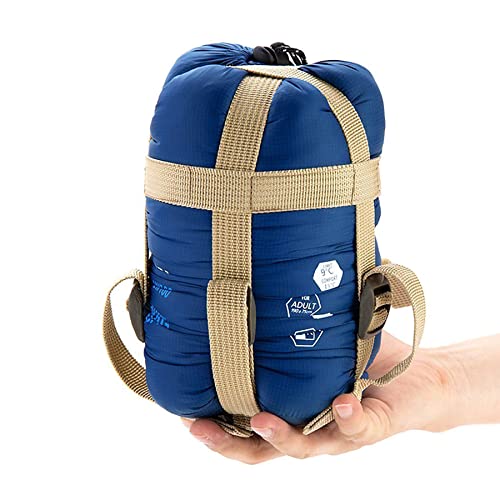
- About 1.7 pounds with compact compression storage
- Waterproof nylon shell and breathable polyester lining
- 55–60°F comfort range for mild-weather trips
Best For: Warm-weather campers and backpackers who prioritize low carry weight
Best Feature-Rich Three-Season Option
Sportneer 3-Season Sleeping Bag

- 3.3-pound design for spring, summer, and fall camping
- Adjustable hood and two-way zipper with foot ventilation
- 87-inch length suits users up to about 7 feet
Best For: Campers wanting a roomy, adjustable three-season bag
Best Year-Round Value – MalloMe 3-Season Sleeping Bag
For shoppers comparing lightweight sleeping bags, the MalloMe offers a practical balance of portability, coverage, and easy care. Its synthetic fill, waterproof outer shell, and included compression sack make it a versatile choice for camping, backpacking, and family outdoor use.
Best For: Spring-through-fall camping, casual backpacking, and adults or kids who want a roomy rectangular bag.
Pros:
- Rated for approximately 50–80°F and designed for 3-season use.
- Waterproof HEX-TECH shell helps protect against moisture and can be wiped clean.
- Includes a compression sack and weighs about 3 pounds for easier carrying.
- Snag-free double-sided zipper, adjustable headrest drawstrings, and securing strap add convenience.
Cons:
- At about 3 pounds, it is heavier than the down options in this roundup.
- Its temperature range is aimed at mild to cool conditions rather than deep cold.
The MalloMe stands out as an approachable all-purpose option, especially for mixed-age households. It is a sensible pick when durability, machine-washable care, and weather resistance matter more than achieving the smallest possible pack size.
Lightest Down Pick – Naturehike CW295 Down Sleeping Bag
If minimizing pack weight is your priority, this Naturehike down model is one of the lightest sleeping bags here. Its 650-fill-power duck down, 20D nylon construction, and compact storage size target backpackers who want useful insulation without carrying a bulky sleep system.
Best For: Weight-conscious backpackers and hikers camping in mild three-season conditions.
Pros:
- Weighs approximately 1.3 pounds and compresses to about 4.7 by 10.2 inches.
- Uses 295 grams of 650-fill-power duck down for a lofty, warm-feeling fill.
- Individual down channels help keep insulation distributed around the bag.
- Water-repellent nylon, a two-way YKK zipper, and a neck opening help with practical outdoor use.
Cons:
- The short version is listed at 74.8 inches long, so taller users should check the size chart carefully.
- Its stated comfort range is approximately 42.8–51.8°F, with an extreme rating down to about 32°F.
- Down generally requires more moisture awareness than a fully synthetic bag.
This is the strongest choice in the group for reducing pack weight and bulk, provided the short dimensions fit and the expected temperatures stay within its stated range. Confirm the selected size before ordering, since the listing also references a medium version.
Best Family-Friendly Design – 3-Season Hooded Sleeping Bag
Among lightweight sleeping bags for general camping, this hooded envelope design emphasizes room, simple maintenance, and flexible use. The 3-pound polyester bag fits adults up to about 5 feet 11 inches and includes a compression sack for transport.
Best For: Family camping, scouts, sleepovers, car camping, and indoor backup use.
Pros:
- Spacious 33-by-86.6-inch shape accommodates adults, teens, and larger kids.
- Designed for 50–70°F comfort, with a stated 41–80°F limit range.
- Adjustable hood retains warmth, while the foot zipper allows ventilation.
- Water-resistant, machine-washable construction includes a compression sack.
Cons:
- At 3 pounds, it is not the best option for ultralight backpacking.
- The listing recommends it for users up to approximately 5 feet 11 inches.
- Its cotton fill may pack less compactly than down.
This bag makes the most sense for shoppers who want one easy-care sleeping bag for varied household and outdoor situations. Choose it for room and versatility rather than minimum weight or specialized cold-weather performance.
Best Roomy Lightweight Option – Naturehike Compact Sleeping Bag
This Naturehike model is a useful middle ground for buyers seeking lightweight sleeping bags with a generous fit. It weighs about 1.68 pounds, compresses to roughly 5 by 12 inches, and uses synthetic imitation-silk cotton fill for travel, hiking, and camping.
Best For: Average-size adults or children who want extra room without carrying a full-size bulky bag.
Pros:
- Weighs approximately 1.68 pounds and includes a compression sack.
- Roomy dimensions of about 80.7 by 33.5 inches allow easier turning and entry.
- Durable fabric, reinforced seams, and tested zippers support repeated use.
- Machine-friendly construction and a 30-day return or exchange support offer practical ownership benefits.
Cons:
- Its listed 59°F/32°F temperature figures should be checked carefully against personal comfort needs.
- It is heavier and less compact than the Naturehike down option.
- The synthetic fill may not provide the same loft-to-weight ratio as down.
For campers who dislike restrictive mummy-style dimensions, this envelope bag offers a comfortable and portable alternative. It is particularly appealing for mixed camping and travel use where roomy proportions and straightforward durability are more important than the absolute lowest weight.
Warmth-Packed Backpacking Pick – Teton 20F Mummy Sleeping Bag
For shoppers comparing lightweight sleeping bags, the TETON 20F model balances backpacking-friendly portability with synthetic insulation, a roomy footbox, and a soft liner. Its 2.9-pound weight and included compression sack make it practical for camping, hiking, and outdoor trips where packability matters.
Best For: Backpackers and campers who want a compressible mummy bag with a listed 20°F temperature rating.
Pros:
- Innovative microfiber insulation is designed to pack down while retaining loft.
- Roomy footbox and soft liner add comfort.
- Zipper draft tube helps reduce cold air entry.
- Includes a stuff sack and storage hang loops.
Cons:
- At 2.9 pounds, it is heavier than some ultralight sleeping bags.
- The mummy shape may feel less spacious than a rectangular design.
This is a strong choice when warmth, comfort, and compressibility matter more than achieving the absolute lowest pack weight. Use it with an insulated camp pad to help sleep warmer.
Budget-Friendly Versatile Pick – Compact 3-Season Sleeping Bag
These lightweight sleeping bags are aimed at casual campers, youth, and adults who need a versatile option for road trips, sleepovers, and low-distance hikes. The rectangular 3-pound design includes a compression sack, a draft collar, and ventilation features for changing conditions.
Best For: Families and casual campers wanting an affordable, roomy bag for spring, summer, fall, and indoor backup use.
Pros:
- Fits most campers up to 6 feet 1 inch tall.
- Draft collar and adjustable hood drawstrings help retain warmth.
- Separate foot zipper allows ventilation while preserving insulation.
- Waterproof outer shell is wipe-clean and machine washable according to the supplied instructions.
Cons:
- The 1.6 kg weight is less suitable for ultralight backpacking.
- Its comfortable temperature range is limited to milder conditions, around 55°F to 60°F.
Choose this model for flexibility and space rather than minimal pack weight. Its rectangular shape and broad use cases make it especially practical for family camping, travel, and emergency vehicle storage.
Easy-Care 3-Season Pick – PTEROMY Washable Sleeping Bag
For campers who prioritize easy maintenance, this PTEROMY model combines a portable 3-pound build with a machine-washable construction and water-resistant, windproof materials. It is one of the more practical lightweight sleeping bags for spring, summer, and fall trips, especially when regular cleaning is important.
Best For: Taller campers and travelers seeking a washable rectangular bag with flexible ventilation and storage features.
Pros:
- Accommodates adults up to 6–7 feet tall.
- Machine-washable construction is designed to resist clumping after washing.
- Bottom zipper provides quick ventilation in warmer conditions.
- Includes a compression bag and an inner pocket for personal items.
Cons:
- At 1.35 kg, it is portable but not an ultralight option.
- The listed comfort range of 50°F–80°F is intended for three-season use, not severe cold.
This bag stands out for convenient care and generous length. It is a sensible fit for campers who want a reusable everyday sleeping bag that can be cleaned in a machine after outdoor use.
Best Ultralight Warm-Weather Pick – ECOOPRO Portable Sleeping Bag
For shoppers seeking lightweight sleeping bags for summer camping, backpacking, or hiking, the ECOOPRO stands out for its 1.7-pound weight and compact compression sack. Its waterproof nylon shell, polyester lining, and 55–60°F comfort range suit mild outdoor conditions.
Best For: Warm-weather campers and backpackers who prioritize low carry weight and compact storage.
Pros:
- Very light at about 1.7 pounds and compresses to approximately 11 inches high.
- Waterproof nylon outer shell helps resist damp conditions.
- 83-by-30-inch envelope shape fits most adults and can accommodate two children.
- Can also be used as a camping comforter.
Cons:
- Its 55–60°F comfort range is aimed at warm weather rather than cold conditions.
- Envelope styling may provide less body-hugging warmth than a mummy-shaped bag.
The ECOOPRO is a practical choice when packability matters most. It is especially appealing for summer trips, but shoppers should choose a warmer model for genuinely cold-weather camping.
Best Feature-Rich Three-Season Option – Sportneer 3-Season Sleeping Bag
The Sportneer is a versatile choice among lightweight sleeping bags for camping, hiking, and backpacking. It weighs 3.3 pounds, measures 87 by 31.5 inches, and adds a hood, two-way zipper, and bottom ventilation for adjustable comfort across spring, summer, and fall conditions.
Best For: Campers who want a roomy, adjustable sleeping bag for three-season use.
Pros:
- Three-season design with a stated 50–80°F comfort range.
- Adjustable hood drawstring helps retain warmth around the head.
- Two-way separating zipper allows foot ventilation and added flexibility.
- 87-inch length accommodates users up to approximately 7 feet.
Cons:
- At 3.3 pounds, it is substantially heavier than the ECOOPRO option.
- The supplied comfort range does not establish suitability for severe winter temperatures.
Choose the Sportneer if adjustability and extra room matter more than achieving the lowest possible pack weight. Its feature set makes it a flexible general-purpose camping bag.
Best Budget Family Camping Pick – Lightweight Waterproof Sleeping Bag
This rectangular sleeping bag offers a practical balance of portability and weather resistance for family camping, school trips, and casual outdoor use. It weighs 3.3 pounds, compresses to roughly 7.9–14.2 inches, and has a 50–68°F design temperature range.
Best For: Budget-conscious campers and families needing an easy-to-carry three-season bag for moderate temperatures.
Pros:
- Waterproof, breathable polyester outer fabric helps protect against dampness.
- Hood drawstring helps keep the head warm.
- Foot zipper allows additional airflow or warmth adjustment.
- Wipes clean easily and can serve as an emergency vehicle blanket.
Cons:
- At 3.3 pounds, it is not among the lightest options for backpacking.
- Its recommended height is limited to about 5 feet 11 inches.
- The 50–68°F design range is not intended for especially cold conditions.
For casual camping and youth-oriented trips, this model provides useful features without demanding complicated setup. Backpackers seeking the smallest possible load may prefer a lighter sleeping bag.
How We Picked These Lightweight Sleeping Bags
We focused on features that matter when carrying a sleeping bag to a campsite or trailhead: listed weight, packed size, insulation type, temperature range, shell materials, included compression sacks, and overall versatility. We also considered whether each design suits adults, children, or both. Because temperature ratings are not always directly comparable across brands, treat them as planning guidance rather than a guarantee of comfort.
Our selection includes mummy and envelope shapes, synthetic and down insulation, warm-weather and colder-use options, and bags aimed at different budgets. A sleeping pad remains essential because it provides much of the insulation between your body and the ground.
Quick Comparison
| Best For | What to Look For |
|---|---|
| Ultralight backpacking | Low total weight, compressible insulation, and a narrow mummy shape |
| Summer camping | Warm-weather rating, breathable lining, and an easy-to-open envelope design |
| Three-season trips | A lower comfort rating, draft protection, and a reliable hood |
| Families and scouts | Durable synthetic fill, simple zippers, and a forgiving fit |
| Wet conditions | Water-resistant shell and fast-drying synthetic insulation |
Key Buying Factors for Lightweight Sleeping Bags
Temperature Rating
Choose based on the comfort rating when available, not only the lower limit or extreme rating. For spring and fall trips, select a bag rated colder than the forecast to account for wind, humidity, clothing, and personal temperature differences.
Weight and Packed Size
Backpackers should compare total packed weight, including the stuff sack, rather than the bag alone. Down generally compresses smaller and weighs less, while synthetic fill is typically more affordable and performs better when damp.
Shape and Fit
Mummy bags reduce empty air space and conserve warmth, but envelope bags offer more room for changing positions. Check shoulder and hip dimensions, especially when buying for children or layering clothing inside.
Weather Protection and Care
A water-resistant shell helps with condensation and light moisture, but no sleeping bag should be treated as waterproof shelter. Use a groundsheet or tent, keep the bag dry, and follow the manufacturer’s washing instructions. Compression is useful for transport, but long-term storage is usually better in a loose storage sack.
Who Should Buy Which Lightweight Sleeping Bags?
Choose a compact down model if minimum pack weight and small packed volume are your priorities and you can protect the bag from prolonged moisture. Pick a synthetic mummy bag for colder, wetter, or budget-conscious trips. Warm-weather envelope bags work well for summer camping, indoor use, and mild climates. Families and youth campers should prioritize manageable weight, durable fabric, a straightforward zipper, and enough room to move over the smallest possible packed size.