Cold, wet weather calls for more than a basic rain shell. The best rain jackets for cold weather combine reliable water protection with insulation, wind resistance, and enough mobility for commuting, hiking, work, or winter sports.
We selected 10 options spanning lightweight fleece-lined jackets, insulated ski coats, long raincoats, softshells, and high-visibility outerwear. Use the guide below to match warmth, coverage, and features to the conditions you expect to face.
Best 10 Rain Jackets for Cold Weather Picks for 2026
Best Fleece-Lined Pick
33,000ft Men's Hooded Rain Shell

- Waterproof, breathable three-layer construction
- Soft fleece lining adds warmth
- Five pockets and stretch fabric
Best For: Active cool-weather outings and everyday outdoor use
Best Packable Shell
Columbia Women's Arcadia II Jacket

- Waterproof and breathable Omni-Tech shell
- Packs into its hand pocket
- Adjustable hood and hem
Best For: Travel and light fall rain protection
Best Insulated Winter Option

- Fleece-lined for added warmth
- Waterproof and windproof design
- Detachable hood and five pockets
Best For: Snow sports and cold winter outdoor activities
Best Long Coverage
SaphiRose Women's Hooded Rain Jacket

- Relaxed hip-length design
- Adjustable hood and waist
- Soft lining with storm-flap closure
Best For: Casual walking and light-rain coverage in mild weather
Insulated All-Weather Pick
Columbia Men's Tipton Peak III

- Waterproof-breathable Omni-Tech protection
- Heat-reflective Omni-Heat insulation
- Adjustable hood, hem, and four pockets
Best For: Cold-weather hiking and everyday outdoor use
Flexible Mid-Thigh Layer
33,000ft Women's Softshell Jacket

- Fleece-lined for lightweight warmth
- Water-resistant and windproof shell
- Stretch design with adjustable coverage
Best For: Walks, hiking, travel, and casual wear in cool weather
Warm Tactical Protection

- 10,000 mm waterproof rating with breathable TPU membrane
- Fleece lining and adjustable weather-sealing features
- Six pockets for everyday and outdoor gear
Best For: Active outdoor use, tactical work, hiking, and camping
High-Visibility Workwear
Hi Vis Winter Safety Bomber Jacket
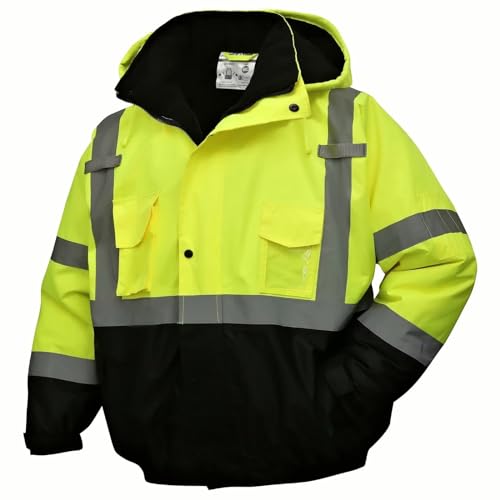
- ANSI/ISEA 107-2020 Type R Class 3 compliant
- 6000 mm waterproof shell with sealed seams and fleece lining
- Reflective strips and utility pockets for job-site use
Best For: Cold, wet work zones requiring high visibility
Winter Sports Coverage

- Waterproof, windproof shell with thick fleece lining
- Adjustable cuffs and storm hood block winter wind
- Heavyweight design suits skiing and snowboarding
Best For: Snow sports, mountain trips, and extended winter outings
Best Fleece-Lined Pick – 33,000ft Men's Hooded Rain Shell
For shoppers comparing rain jackets for cold weather, this 33,000ft shell combines a waterproof outer layer with a soft fleece lining. Its adjustable hood, hem, and cuffs help block wind, while the stretch fabric supports active outdoor use.
Best For: Hiking, cycling, travel, yardwork, and other cool-weather activities where warmth and mobility matter.
Pros:
- Three-layer construction includes a waterproof TPU membrane and fleece lining.
- Rated at 8000 mm waterproofness with a listed breathability rating of 1000 g/m²/24 hr.
- Five zippered or interior pockets provide useful storage.
- Stretch polyester-elastane fabric supports movement.
Cons:
- Lightweight construction may provide less insulation than a heavier winter coat.
- Designed primarily for spring and fall in the supplied details.
This is a versatile option when you want rain protection, fleece comfort, and an active fit in one jacket. The multiple adjustments and pockets make it especially practical for outdoor tasks and travel.
Best Packable Shell – Columbia Women's Arcadia II Jacket
The Columbia Arcadia II is a lightweight choice among rain jackets for cold weather, especially when packability is important. Its waterproof-breathable Omni-Tech shell helps handle drizzle and downpours, while the mesh lining adds light coverage without bulk.
Best For: Commuting, travel, and unpredictable fall weather when you need a shell that packs away easily.
Pros:
- Waterproof, air-permeable Omni-Tech construction balances protection and breathability.
- Lightweight design packs into its hand pocket.
- Adjustable storm hood and drawcord hem help customize coverage.
- Zippered hand pockets offer secure storage.
Cons:
- Mesh lining provides less warmth than a fleece- or insulated-lined jacket.
- Non-stretch fabric may feel less flexible during active movement.
This jacket is best viewed as a packable waterproof shell rather than a deeply insulated winter coat. Add warm layers underneath when temperatures drop significantly.
Best Insulated Winter Option – TACVASEN Men's Skiing Jacket
For harsher conditions, the TACVASEN winter jacket offers the insulation and weather coverage many shoppers expect from rain jackets for cold weather. It has a fleece lining, waterproof and windproof protection, a detachable hood, and a medium-weight construction suited to winter activities.
Best For: Skiing, snow sports, hiking, cycling, and other winter outdoor activities requiring added warmth.
Pros:
- Fleece lining provides soft insulation for cold conditions.
- Waterproof and windproof construction is suited to snow and winter weather.
- Detachable hood includes an adjustable drawstring.
- Five pockets, including concealed zippered pockets, offer storage.
Cons:
- Loose fit may feel bulky for shoppers who prefer a close fit.
- Medium-weight design is less lightweight than a packable rain shell.
- The supplied details note that the zipper head is on the left.
This is the strongest cold-weather-focused choice in the group, prioritizing warmth and winter protection over minimal weight. Its pocket layout and removable hood also suit active outdoor use.
Best Long Coverage – SaphiRose Women's Hooded Rain Jacket
The SaphiRose hooded rain jacket provides relaxed, hip-length coverage for light rain and everyday wear. While it is not as cold-weather-focused as fleece-lined rain jackets for cold weather, its soft lining, adjustable waist, and storm-flap closure make it a practical layering piece.
Best For: Walking, travel, dog-walking, camping, and casual outdoor use in mild or transitional weather.
Pros:
- Adjustable hood and waist drawstrings help shape the relaxed fit.
- Storm flap with snaps adds coverage over the sturdy zipper.
- Soft polyester lining and lined sleeves improve comfort.
- Two snap pockets provide storage.
Cons:
- Water-resistant rather than fully waterproof.
- Runs large, so shoppers who do not plan to layer may want to consider sizing down.
- At about 2 pounds, it may feel heavy for those seeking a lightweight jacket.
This jacket is a good fit for shoppers who value a longer, adjustable silhouette and casual comfort. Choose it for light rain and mild weather, not as the primary option for heavy downpours or severe cold.
Insulated All-Weather Pick – Columbia Men's Tipton Peak III
For shoppers seeking rain jackets for cold weather, the Columbia Men’s Tipton Peak III Insulated Jacket combines waterproof-breathable Omni-Tech protection with lightweight heat-reflective Omni-Heat insulation. Its three-season design suits hiking and everyday outdoor wear when rain, snow, and low temperatures are all possible.
Best For: Hiking and everyday use in cold, wet conditions across fall and winter.
Pros:
- Omni-Tech fabric provides waterproof protection for moderate rain and snow while allowing excess heat and moisture to escape.
- Omni-Heat reflective lining helps retain body heat with breathable comfort.
- Drawcord hood, adjustable hem, and four zippered pockets add practical coverage and storage.
- Available in extended sizes.
Cons:
- At 2.2 pounds, it is a heavier option than a lightweight shell.
- The regular fit and heavyweight construction may feel less streamlined for high-output activities.
This is a strong choice when warmth matters as much as rain protection. The insulated construction and adjustable coverage make it more versatile for cold-weather outings than a basic rain shell.
Flexible Mid-Thigh Layer – 33,000ft Women's Softshell Jacket
The 33,000ft Women’s Hooded Softshell Jacket is a practical option among rain jackets for cold weather when you want fleece-lined warmth without a heavyweight feel. Its water-resistant, windproof shell, stretch fabric, and mid-thigh length work well for light rain and active outdoor routines.
Best For: Spring, fall, and milder winter walks, hikes, travel, and casual outdoor wear.
Pros:
- Polar fleece lining adds warmth while the shell remains lightweight.
- Water-resistant and windproof construction helps handle windy weather and sudden light rain.
- Medium stretch and a two-way zipper support comfortable movement.
- Adjustable hood, waist, storm flaps, and chin guard improve coverage.
Cons:
- It is water resistant rather than described as fully waterproof for prolonged heavy rain.
- Lightweight construction may provide less insulation than a heavy winter coat.
- The fixed hood cannot be removed.
This jacket balances coverage, flexibility, and everyday comfort. Its mid-thigh length and fleece lining are useful for chilly walks, while the stretch softshell design keeps it practical for active use.
Heavy-Duty Snow and Rain Coverage – Men's Ski Jacket
For severe winter conditions, this Men’s Ski Jacket offers the robust coverage many shoppers want from rain jackets for cold weather. Its waterproof polyester shell, fleece lining, long length, and sealed seams are designed for skiing, snowboarding, and wet outdoor activities.
Best For: Skiing, snowboarding, and cold outdoor use in heavy rain or snowfall.
Pros:
- Waterproof fabric and sealed seams help keep rain and snow from penetrating.
- Fleece lining provides insulation and helps retain body heat.
- Adjustable cuffs and a detachable hood allow the coverage to be customized.
- Five pockets provide useful storage for outdoor essentials.
Cons:
- Hand-wash-only care is less convenient than machine washing.
- Heavyweight, long-length construction may feel bulky for casual everyday use.
- It has a standard fit, so layering needs to be considered when choosing a size.
This jacket prioritizes protection over minimal bulk. The waterproof shell, sealed seams, fleece lining, and ski-oriented features make it well suited to demanding winter recreation and wet snow conditions.
Warm Tactical Protection – Men's Fleece Softshell Jacket
For shoppers comparing rain jackets for cold weather, this TACVASEN softshell combines a water-repellent outer layer, TPU waterproof membrane, and fleece lining. Its adjustable hood, cuffs, hem, and underarm vents help manage changing conditions during outdoor activity.
Best For: Hiking, camping, tactical use, work, cycling, and other active cold-weather outings.
Pros:
- Three-layer construction is rated 10,000 mm waterproof and 5,000 g/m²/24h breathable.
- Fleece lining provides warmth and soft comfort.
- Six pockets offer storage for essentials and outdoor gear.
- Adjustable hood, hem, cuffs, and underarm vents improve weather management.
Cons:
- Low-stretch fabric may feel less flexible during movement.
- The relaxed fit and multiple-pocket tactical design may look bulky for casual wear.
This is a practical choice when you want one jacket to cover wet, windy, and cold conditions, especially for active outdoor tasks. The fleece interior adds warmth, while ventilation and adjustability help prevent overheating.
High-Visibility Workwear – Hi Vis Winter Safety Bomber Jacket
Among rain jackets for cold weather, this SKSAFETY bomber stands out for job-site visibility and utility. Its 300D Oxford polyester shell, sealed seams, waterproof construction, and fleece lining are designed for cold, wet working conditions.
Best For: Construction, roadside, utility, and other work environments requiring certified high visibility.
Pros:
- ANSI/ISEA 107-2020 Type R Class 3 compliant.
- Two-inch reflective strips provide 360-degree visibility.
- Waterproof 6000 mm rating, taped seams, and fleece lining support wet-weather warmth.
- Removable hood and multiple utility pockets add workplace practicality.
Cons:
- No-stretch fabric may restrict flexibility compared with stretch workwear.
- Bright safety styling is specialized rather than suited to everyday casual use.
- Shoppers between sizes may need to size up for a looser fit.
This jacket is a strong fit when visibility is as important as warmth and rain protection. Its certification, reflective detailing, sealed seams, and organized pockets make it more work-focused than a general-purpose winter coat.
Winter Sports Coverage – Men's Mountain Ski Jacket
This mountain jacket is a heavyweight option for shoppers seeking rain jackets for cold weather and winter sports. It pairs a waterproof, wear-resistant outer shell with thick fleece lining, reinforced stitching, adjustable cuffs, and a storm hood.
Best For: Skiing, snowboarding, hiking, mountaineering, camping, and other cold-weather outdoor activities.
Pros:
- Waterproof and windproof construction helps protect against winter weather.
- Thick fleece lining adds warmth while remaining breathable.
- Adjustable cuffs and storm hood help keep cold wind out.
- Reinforced stitching and wear-resistant fabric are suited to demanding outdoor use.
Cons:
- Heavyweight construction may feel too warm for mild conditions or high exertion.
- Hand wash only requires more care than machine-washable alternatives.
- Loose fit may not suit shoppers seeking a close athletic silhouette.
Choose this jacket when warmth and coverage take priority for snow sports or extended winter outings. Its loose, insulated design offers room for layering, while the adjustable hood and cuffs provide added wind protection.
How We Picked the Best Rain Jackets for Cold Weather
We compared the selected jackets by looking at the features that matter most in cold precipitation: waterproof or water-resistant construction, insulation type, fleece lining, hood design, wind protection, length, mobility, and intended use. We also considered whether each style suits everyday wear, outdoor recreation, winter sports, or job-site visibility.
Because warmth needs vary, this roundup includes both insulated winter coats and lighter shells with fleece lining. A layered jacket can be more versatile, while a heavily insulated design may be better for prolonged exposure to freezing temperatures.
Quick Comparison
| Jacket type | Best suited for | Main advantage |
|---|---|---|
| Fleece-lined rain shell | Daily wear and light outdoor activity | Warmth without excessive bulk |
| Insulated ski jacket | Snow sports and freezing conditions | Higher warmth and weather protection |
| Long hooded raincoat | Commuting and walking | Extra coverage for the torso and upper legs |
| Softshell jacket | Active use and variable weather | Flexible movement and wind resistance |
| High-visibility bomber | Roadside or work-site use | Improved visibility in poor weather |
Key Buying Factors for Rain Jackets for Cold Weather
Waterproofing and Seam Protection
Look for waterproof fabric, a storm flap, adjustable cuffs, and a hood that can be tightened around the face. Fully sealed seams offer better protection during sustained rain than fabric that is only water-resistant.
Insulation and Layering
Insulated jackets are convenient for static or very cold conditions, while fleece-lined shells are often easier to layer over a sweater or base layer. Avoid choosing maximum insulation if you expect to hike or work actively, since overheating can make a jacket uncomfortable.
Fit, Mobility, and Coverage
Check whether the cut leaves room for winter layers without restricting the shoulders. Longer hems help protect against wind and rain, while articulated sleeves, adjustable cuffs, and stretch panels improve movement.
Useful Details
Prioritize secure pockets, a well-shaped hood, adjustable hems, ventilation, and reflective accents according to your use. Skiers may want a powder skirt and pass pocket; commuters may prefer a lighter, less bulky design.
Who Should Buy Which Rain Jackets for Cold Weather?
Choose a fleece-lined rain shell for everyday errands, travel, and mild-to-cold wet weather. Pick an insulated ski jacket for snowboarding, skiing, or extended exposure to freezing temperatures. A long hooded raincoat is a practical choice for walkers and commuters who value coverage, while a softshell works well for active users who need flexibility.
For outdoor crews, traffic workers, and job sites, a high-visibility winter bomber is the more appropriate option because visibility is as important as warmth. If conditions vary widely, select a moderately insulated jacket with enough room for a base layer so it can serve across multiple seasons.