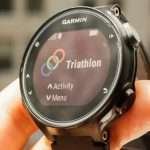
Choosing a triathlon watch with training readiness is about more than GPS and pace data. The best options help you judge when to push, when to recover, and how to pace swim, bike, and run sessions with confidence.
In this roundup, we focus on watches that balance endurance-focused training tools, triathlon-friendly modes, and practical everyday usability, so you can match the right model to your goals and budget.
Best 10 Triathlon Watch with Training Readiness Picks for 2026
Premium AMOLED Triathlon Trainer

- AMOLED display with button controls
- Training readiness and recovery tracking
- Triathlon and 30+ sport profiles
Best For: Athletes wanting a modern triathlon watch with readiness insights and smartwatch features
Classic Budget Race Watch
Timex Ironman Triathlon Classic 30

- Simple digital training and race tools
- INDIGLO backlight for easy viewing
- Water-resistant to 100 m
Best For: Athletes who want an affordable, no-frills watch for running and swimming
Top-Tier Multisport Navigator

- Training readiness with recovery insights
- Full-color maps and multiband GPS
- Built-in triathlon and brick profiles
Best For: Competitive triathletes who want navigation, readiness data, and advanced workout planning
Compact AMOLED Triathlon Coach

- Smaller 42 mm case for smaller wrists
- Training readiness and recovery features
- AMOLED display with triathlon profiles
Best For: Smaller-wrist athletes wanting a compact triathlon watch with readiness tracking
Premium Flagship Pick
Garmin Forerunner 965, 47mm AMOLED Multisport Watch

- Training readiness based on sleep, recovery, load, and HRV
- Full-color maps plus multi-band GPS
- Triathlon and multisport profiles included
Best For: Athletes who want Garmin’s most complete mix of maps, readiness, and triathlon tools
Compact Smart Choice
Garmin Forerunner 570, 42mm Triathlon Watch

- 42 mm build is better for smaller wrists
- Training readiness and Garmin Coach support
- Triathlon plus 30+ built-in activity profiles
Best For: Athletes with smaller wrists who want a capable Garmin multisport watch
White Edition Performance Pick
Garmin Forerunner 965 Whitestone AMOLED

- Same training readiness and recovery tools as the 965
- Built-in maps and multi-band GNSS
- Triathlon and brick workout profiles included
Best For: Multisport athletes who want the Forerunner 965’s full feature set in a lighter-looking white colorway
Premium Readiness Pick
Garmin Forerunner 570 47mm AMOLED Triathlon Watch

- Training readiness score based on sleep, recovery, load, and HRV
- Bright AMOLED display with button controls and aluminum bezel
- 30+ activity profiles including triathlon and open-water swimming
Best For: Athletes wanting a premium triathlon watch with strong recovery tracking and smart features
Best for Smaller Wrists
Garmin Forerunner 265S Training Readiness Watch

- Compact 42 mm design with AMOLED display
- Training readiness and morning report for recovery planning
- Up to 15 days smartwatch battery and 24 hours GPS battery
Best For: Smaller-wrist athletes who want guided training and readiness insights
Balanced All-Rounder
Garmin Forerunner 265 Training Readiness Watch

- Training readiness and training status for recovery-aware planning
- 46 mm AMOLED smartwatch with buttons and touchscreen
- Up to 13 days battery in smartwatch mode and 20 hours in GPS mode
Best For: Athletes who want a larger all-round Garmin with readiness and workout guidance
Premium AMOLED Triathlon Trainer – Garmin Forerunner 570 47mm
If you want a triathlon watch with training readiness that also feels like a modern daily smartwatch, the Garmin Forerunner 570 47mm is built for that balance. It combines a bright AMOLED touchscreen, button controls, and deep training/recovery tracking so you can judge when to push and when to back off.
Best For: Athletes who want a feature-rich triathlon watch with readiness scores, guided training, and everyday smartwatch extras.
Pros:
- Training readiness score uses sleep, recovery, training load, and HRV status.
- Garmin Coach plans adapt to your performance and recovery.
- Morning and evening reports add useful sleep, workout, weather, and recovery context.
- Includes 30+ activity profiles, plus triathlon, cycling, and open-water swimming.
Cons:
- GPS battery life is up to 18 hours, which may be limiting for very long events.
- Some recovery and readiness data is presented as an estimation of tracked metrics.
- 47 mm size may feel large on smaller wrists.
Overall, this is a strong pick if you want advanced triathlon tools without giving up smartwatch conveniences like calls and notifications. It is one of the more complete options in this roundup for athletes who train by data.
Classic Budget Race Watch – Timex Ironman Triathlon Classic 30
Timex Men's Ironman Triathlon Classic 30 38mm Watch – Gray & Black Case with Black Resin Strap
Check Price On AmazonThe Timex Ironman Triathlon Classic 30 is a straightforward triathlon watch with training readiness alternatives only in the sense of dependable workout timing and race-day utility. It focuses on the essentials: alarms, chronograph, timer, dual time zones, and easy readability for everyday training.
Best For: Buyers who want a simple, durable, no-frills sports watch for running, swimming, and general training.
Pros:
- Three customizable alarms, dual time zones, and full calendar help with scheduling.
- INDIGLO backlight improves visibility in low light.
- Water-resistant to 100 m, suitable for swimming and snorkeling.
- Resin case and strap are designed for everyday endurance.
Cons:
- No advanced training metrics or readiness scoring.
- Quartz digital design is basic compared with modern multisport smartwatches.
- Display and materials are utilitarian rather than premium.
This is the most practical choice if you mainly need a reliable training and race timer instead of a data-heavy watch. It keeps things simple and durable for athletes who value function over features.
Top-Tier Multisport Navigator – Garmin Forerunner 965
If your priority is a triathlon watch with training readiness plus serious route and race planning tools, the Garmin Forerunner 965 stands out. It pairs a bright AMOLED display and lightweight titanium bezel with full-color maps, multiband GPS, and detailed recovery and readiness insights.
Best For: Competitive multisport athletes who want advanced training data, mapping, and triathlon-specific profiles in one watch.
Pros:
- Training readiness score factors in sleep, recovery, training load, and HRV status.
- Built-in maps and multi-band GPS help with route confidence.
- Triathlon, duathlon, brick workout, and swimrun profiles are built in.
- Daily suggested workouts adapt to race and course inputs in Garmin Connect.
Cons:
- Premium feature set will likely put it at a higher price point.
- 47 mm case may not suit smaller wrists.
- Many advanced metrics are geared toward athletes who will actually use them.
The Forerunner 965 is the most advanced option here for athletes who want ready-to-train guidance and reliable navigation in the same device. It is especially compelling if you race often and want your watch to help plan, adapt, and execute workouts.
Compact AMOLED Triathlon Coach – Garmin Forerunner 570 42mm
The Garmin Forerunner 570 42mm is a triathlon watch with training readiness designed for smaller wrists without giving up the core tools serious athletes want. You still get the bright AMOLED display, Garmin Coach plans, daily suggested workouts, and readiness-based recovery guidance in a more compact size.
Best For: Athletes who want the Forerunner 570 feature set in a smaller case size.
Pros:
- 42 mm case is better suited to smaller wrists.
- Training readiness uses sleep, recovery, training load, and HRV status.
- Garmin Coach plans adapt to your performance and recovery.
- Includes triathlon, cycling, and open-water swimming profiles.
Cons:
- GPS battery life is up to 18 hours, so ultra-long events may need planning.
- Some metrics are intended as close estimations of tracked data.
- Water resistance is listed as 50 meters, so it is not positioned as a dive-focused watch.
This is the best fit if you want a smaller smartwatch-style triathlon option that still keeps the training-readiness and recovery features intact. It is a strong everyday training partner for athletes who prefer a less bulky watch.
Premium Flagship Pick – Garmin Forerunner 965, 47mm AMOLED Multisport Watch
If you want a triathlon watch with training readiness that also works well as an everyday running watch, the Garmin Forerunner 965 is built for that role. It combines full-color mapping, multi-band GPS, and advanced recovery data in a lightweight design, so you can plan races and handle long training blocks with more confidence.
Best For: Athletes who want Garmin’s most complete mix of maps, readiness, and triathlon tools in one watch.
Pros:
- Training readiness uses sleep, recovery, training load, and HRV status.
- Built-in full-color maps and multi-band GPS help with route confidence.
- Triathlon, duathlon, brick workout, and swimrun profiles are included.
- Daily suggested workouts adapt after each run based on performance and recovery.
Cons:
- 47 mm size may feel large on smaller wrists.
- Feature set is extensive, which may be more than casual exercisers need.
Overall, this is the most feature-rich option here for athletes who want detailed training feedback and race-ready tools. If you value mapping, recovery insights, and multisport flexibility, it stands out as a strong premium pick.
Compact Smart Choice – Garmin Forerunner 570, 42mm Triathlon Watch
The Garmin Forerunner 570 is a triathlon watch with training readiness aimed at athletes who want advanced training features in a smaller 42 mm size. It keeps the focus on readiness, adaptive coaching, and recovery tracking while adding a bright AMOLED screen and practical everyday features like phone calls from the wrist.
Best For: Athletes with smaller wrists who want a capable Garmin multisport watch without going to a larger case.
Pros:
- 42 mm size and aluminum bezel suit smaller wrists.
- Training readiness uses sleep, recovery, training load, and HRV status.
- Garmin Coach plans and daily suggested workouts adapt to performance and recovery.
- Includes triathlon profile and 30+ activity profiles.
Cons:
- Battery life is shorter than the larger Forerunner 965.
- Does not include built-in maps like the 965.
This model makes sense if you want the training-readiness features and triathlon support in a more compact build. It is a practical middle ground between advanced coaching tools and a smaller, easier-to-wear design.
White Edition Performance Pick – Garmin Forerunner 965 Whitestone AMOLED
This Garmin Forerunner 965 variant is a triathlon watch with training readiness for athletes who want the same advanced feature set in a Whitestone/Powder Gray finish. It offers full-color maps, multi-band GPS, and detailed readiness and recovery insights, making it easy to track hard training blocks and race prep.
Best For: Multisport athletes who want the Forerunner 965’s full feature set in a lighter-looking white colorway.
Pros:
- Training readiness reflects sleep, recovery, training load, and HRV status.
- Triathlon, duathlon, brick workout, and swimrun profiles are built in.
- Full-color maps and multi-band GNSS support route confidence.
- Daily suggested workouts adapt after each run to match performance and recovery.
Cons:
- 47 mm case size is still large for some wrists.
- Most of the core feature set matches the black version, so the main difference is the finish.
If you like the 965 platform but want a lighter visual style, this version delivers the same training and mapping strengths. It is a straightforward choice for athletes who want premium triathlon tools without changing the core capabilities.
Premium Readiness Pick – Garmin Forerunner 570 47mm AMOLED Triathlon Watch
If you want a triathlon watch with training readiness that leans more premium, the Garmin Forerunner 570 brings a bright AMOLED screen, button controls, and a full recovery-focused feature set. It combines training readiness, training status, morning and evening reports, and personalized Garmin Coach plans so you can better judge when to push and when to recover.
Best For: Athletes who want a feature-rich triathlon watch with a vivid display, wrist calls, and deep recovery insights.
Pros:
- Training readiness score uses sleep, recovery, training load, and HRV status.
- AMOLED touchscreen plus button controls for easier everyday use.
- Up to 11 days of battery life in smartwatch mode and up to 18 hours in GPS mode.
- Includes 30+ activity profiles with triathlon, cycling, and open-water swimming.
Cons:
- GPS battery life is shorter than the longer-wearing Forerunner 265 models.
- Some readiness and recovery metrics are intended as close estimations.
Overall, this model stands out if you want Garmin’s triathlon-focused training tools in a larger, more premium watch with added smart features like wrist-based calling.
Best for Smaller Wrists – Garmin Forerunner 265S Training Readiness Watch
The Garmin Forerunner 265S is a compact triathlon watch with training readiness that focuses on recovery, guidance, and all-day usability. Its 42 mm size, AMOLED display, and morning report make it a practical fit if you want Garmin’s training tools in a smaller, lighter package.
Best For: Runners and triathletes with smaller wrists who want a lightweight watch with readiness data and guided workouts.
Pros:
- Training readiness score draws from sleep quality, recovery, training load, and HRV status.
- Up to 15 days of battery life in smartwatch mode and up to 24 hours in GPS mode.
- Daily suggested workouts adapt based on performance and recovery.
- Includes 30+ activity profiles such as running, triathlons, cycling, and open-water swimming.
Cons:
- Smaller 42 mm case may not suit users who prefer a larger watch face.
- Its feature set is more running-focused than the larger triathlon-oriented options.
This is a strong pick if you want a triathlon watch with training readiness in a smaller size, plus Garmin’s workout guidance and reliable battery life.
Balanced All-Rounder – Garmin Forerunner 265 Training Readiness Watch
The Garmin Forerunner 265 is a well-rounded triathlon watch with training readiness for athletes who want the same recovery and workout guidance in a larger 46 mm size. It adds a bright AMOLED display, race widgets, and adaptive daily suggestions, making it a versatile option for training and race planning.
Best For: Athletes who want a balanced triathlon-ready watch with a larger display and strong battery life.
Pros:
- Training readiness uses sleep quality, recovery, training load, and HRV status.
- Up to 13 days of battery life in smartwatch mode and up to 20 hours in GPS mode.
- Daily suggested workouts adapt after every run based on performance and recovery.
- Includes 30+ built-in activity profiles such as triathlons, cycling, and open-water swimming.
Cons:
- Does not include the smaller 265S’s compact fit for users with smaller wrists.
- Some metrics and readiness scores are presented as close estimations.
If you want a triathlon watch with training readiness that balances display size, battery life, and coaching tools, the Forerunner 265 is the most straightforward all-round choice here.
How We Picked the Best Triathlon Watch with Training Readiness
We prioritized watches that offer meaningful training readiness features, dependable multisport tracking, and clear recovery guidance. We also looked at battery life, display readability, GPS accuracy, and whether the watch supports triathlon use without feeling overly complicated.
Because a Triathlon Watch with Training Readiness should help you make better decisions, we favored models that combine load, recovery, sleep, and workout analysis in a way athletes can actually use day to day.
Quick Comparison
For a simple split: Garmin Forerunner 965 models lean toward athletes who want deeper mapping and advanced metrics, while the Forerunner 570 lineup offers a strong balance of training features and a more streamlined experience. The Forerunner 265 and 265S are solid midrange options for runners and triathletes who want advanced insights without moving all the way up the stack. The Timex Ironman Classic 30 is best understood as a basic, budget-friendly timing tool rather than a full training readiness platform.
Key Buying Factors for a Triathlon Watch with Training Readiness
Recovery and Readiness Metrics
Look for watches that translate sleep, recent training load, and recovery status into an easy-to-understand readiness score or similar guidance. The point is not just more data, but better decision-making before key workouts and race day.
Multisport and Triathlon Support
A true triathlon watch should handle swim-bike-run transitions cleanly, support multisport profiles, and make it easy to start structured workouts without fumbling through menus.
Battery Life and Display
Long training weeks and race days demand strong battery life, especially if you use GPS often. AMOLED displays are sharp and easy to read, but athletes should still confirm battery performance matches their weekly mileage and open-water needs.
Navigation and Training Depth
If you race unfamiliar courses or train on new routes, maps and navigation can be a major advantage. More advanced watches also provide performance metrics that help experienced athletes fine-tune pacing, threshold work, and race preparation.
Who Should Buy Which Triathlon Watch with Training Readiness?
If you want the most complete feature set, choose a higher-end model with maps and advanced insights. If you want a balanced watch for regular triathlon training, a midrange Garmin option is often the sweet spot. If you are newer to the sport or want a simpler device, pick a watch with the core multisport essentials and enough recovery guidance to keep you consistent. Budget buyers who mainly need lap timing and basic race functions can keep things simple, but they will sacrifice the benefits that make training readiness truly useful.