Finding the right heart rate monitor for mountain biking can make training more effective, especially when terrain changes fast and effort spikes are hard to judge.
This roundup focuses on accuracy, comfort, battery life, and ruggedness so you can choose a monitor that holds up on technical rides and long trail sessions.
Best 10 Heart Rate Monitor for Mountain Biking Picks for 2026
Polar Precision
Polar H10 Heart Rate Monitor Chest Strap
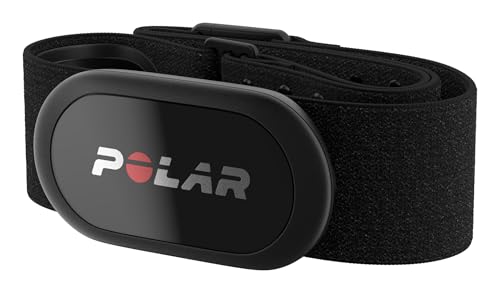
- Top-precision chest strap sensor
- Bluetooth, ANT+, and 5 kHz support
- Waterproof with internal memory
Best For: Riders who want highly accurate chest-strap tracking and broad compatibility
Garmin Durability

- Accurate heart rate and HRV data
- Garmin-focused compatibility
- Machine-washable strap and 1-year battery life
Best For: Riders already using Garmin gear who want a durable chest strap
Wahoo Endurance
Wahoo TRACKR Heart Rate Monitor

- Rechargeable with 100+ hours of use
- ANT+ and Bluetooth support
- Slim, secure strap for intense training
Best For: Riders who want a rechargeable strap with long battery life and easy syncing
Garmin Advanced Metrics

- Accurate heart rate and HRV data
- Records workouts and syncs to Garmin Connect
- Rechargeable with up to 2 months of battery life
Best For: Riders who want advanced Garmin metrics and workout recording
Arm-Worn Comfort Pick
COROS Heart Rate Monitor, Auto-wear Detection

- Soft breathable arm band
- Auto wear detection
- Bluetooth-only, pairs with up to 3 devices
Best For: Riders who want a comfortable arm monitor with automatic power and easy Bluetooth pairing
Dual-Protocol Training Pick
Scosche Rhythm Heart Rate Monitor Armband

- Bluetooth Smart and ANT+ support
- Secure armband fit for intense rides
- IP68 waterproof for sweat and rain
Best For: Mountain bikers who need broad compatibility and a secure, durable arm strap
Budget Chest Strap Pick
COOSPO H6 Heart Rate Monitor Chest Strap
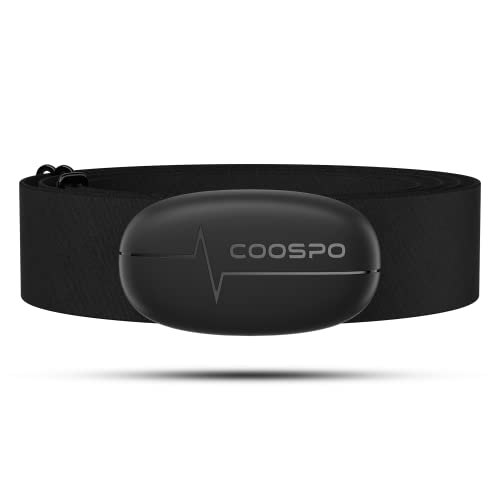
- Bluetooth and ANT+ connectivity
- Works with bike computers and many apps
- Up to 300 hours battery life
Best For: Riders who want a chest strap with wide compatibility and long battery life
Precision-First Chest Strap
CYCPLUS H2Pro Bluetooth ANT+ Heart Rate Monitor

- ECG algorithm helps reduce motion and sweat interference.
- Bluetooth and ANT+ work with apps and cycling computers.
- Up to 500 hours of battery life from a CR2032 cell.
Best For: Riders who want accurate chest-strap tracking with broad device compatibility.
Budget-Friendly Dual-Mode
COOSPO H808S Bluetooth ANT+ Chest Strap

- Bluetooth 4.0 and ANT+ for broad device support.
- Compatible with major apps like Strava, Zwift, and Wahoo Fitness.
- IP67 rating and up to 300 hours of battery life.
Best For: Riders who want a simple, widely compatible chest strap for training and wet-weather rides.
Long-Life Training Pick
GEOID HS500 ANT+/Bluetooth Chest Strap

- Movement- and sweat-reducing algorithms for steadier readings.
- Less than 1 second wake-up time for quick use.
- Up to 800 hours of battery life with replaceable battery.
Best For: Riders who want a quick-start chest strap with very long battery life.
Polar Precision – Polar H10 Heart Rate Monitor Chest Strap
If you want a heart rate monitor for mountain biking with a strong track record for accuracy and broad compatibility, the Polar H10 is a straightforward choice. It uses Bluetooth, ANT+, and 5 kHz, so it can pair with a wide range of devices, and its internal memory adds flexibility if you want to train without always staying connected.
Best For: Riders who want highly accurate chest-strap heart rate tracking with wide device compatibility.
Pros:
- Widely recognized for top precision in Polar’s history
- Bluetooth, ANT+, and 5 kHz connectivity options
- Can use Bluetooth and ANT+ connections simultaneously
- Fully waterproof with internal memory for multiple hours
Cons:
- Requires a chest strap format, which some riders may prefer less than a watch
- Uses a CR2025 battery rather than a rechargeable design
For mountain bikers who care most about measurement quality and connection flexibility, the Polar H10 is an easy model to evaluate. Its waterproof build and ability to work with many HRM-compatible devices make it especially practical for mixed training setups.
Garmin Durability – Garmin HRM 200
The Garmin HRM 200 is a practical heart rate monitor for mountain biking if you want a reliable strap that works well with Garmin devices, fitness equipment, apps, and smartphones. It sends accurate real-time heart rate and heart rate variability data, while the washable strap and long battery life make it a low-maintenance option for regular training.
Best For: Riders already using Garmin gear who want a durable, easy-care chest strap.
Pros:
- Sends accurate real-time heart rate and HRV data
- Compatible with Garmin smartwatches, cycling computers, apps, and smartphones
- Machine-washable strap
- Up to 1 year of battery life with a user-replaceable battery
Cons:
- Listed compatibility is centered on Garmin devices and supported apps
- No mention of rechargeable power
If your mountain bike setup already runs through Garmin, the HRM 200 fits neatly into that ecosystem. It focuses on the basics that matter most: accurate data, a comfortable fit, and easy upkeep after muddy rides.
Wahoo Endurance – Wahoo TRACKR Heart Rate Monitor
For mountain bikers who prefer a rechargeable chest strap, the Wahoo TRACKR Heart Rate Monitor offers accurate real-time heart rate data and broad connectivity. It supports both ANT+ and Bluetooth, so it can broadcast to many fitness devices and sync with popular training apps, while the slim strap is designed for a secure, comfortable fit during hard efforts.
Best For: Riders who want a rechargeable strap with long battery life and easy app/device syncing.
Pros:
- Over 100 hours of active battery life
- ANT+ and Bluetooth connectivity for wide compatibility
- Slim, soft strap designed to stay secure during intense exercise
- LED indicators for detection, battery status, and connection confirmation
Cons:
- One-size strap may not suit every body type as well as size-specific options
- Focuses on core heart rate tracking rather than advanced cycling metrics
The TRACKR is a strong pick if you want simple, dependable heart rate tracking without frequent battery changes. Its rechargeable design and broad device support make it easy to integrate into a mountain biking training routine.
Garmin Advanced Metrics – Garmin HRM 600
The Garmin HRM 600 is the most feature-rich option here for riders who want more than basic heart rate tracking from a heart rate monitor for mountain biking. Along with accurate real-time heart rate and HRV data, it can record workouts when you can’t wear a watch and sync them later, making it useful for cross-training and off-bike sessions too.
Best For: Riders who want advanced Garmin running and training data plus workout recording.
Pros:
- Sends accurate real-time heart rate and HRV data
- Can record workouts and sync them later to Garmin Connect
- Includes additional running dynamics and step speed loss metrics
- Rechargeable battery with up to 2 months of life
Cons:
- Several advanced features require a compatible Garmin smartwatch
- More feature-heavy than a basic cycling-only chest strap
If you want a chest strap that can support more than mountain biking, the HRM 600 stands out for its extra tracking and recording features. It is a good fit for riders who also run, train indoors, or want detailed data across multiple activities.
Arm-Worn Comfort Pick – COROS Heart Rate Monitor, Auto-wear Detection
If you want a heart rate monitor for mountain biking that stays comfortable on long rides, this COROS arm band is built around convenience and workout tracking rather than daily wear. It uses Bluetooth-only connectivity, can pair with up to three devices, and includes auto wear detection so it powers on and off when you put it on or take it off.
Best For: Riders who want a soft, breathable arm monitor with automatic wear detection and easy multi-device pairing.
Pros:
- Soft, breathable band is more comfortable than a chest strap.
- Auto wear detection helps it power on and off automatically.
- Can pair with up to three devices at once.
- Long battery life with 38 hours of full operation.
Cons:
- Bluetooth only, so it is not compatible with ANT+.
- Designed for sports and activities, not daily heart rate tracking.
The COROS arm monitor is a practical choice if comfort and simplicity matter most on the trail. It is especially appealing for riders already using COROS gear or Bluetooth-based bike computers, apps, and watches.
Dual-Protocol Training Pick – Scosche Rhythm Heart Rate Monitor Armband
This Scosche arm heart rate monitor is a strong fit if you need a heart rate monitor for mountain biking that can connect flexibly to watches, apps, and bike computers. It supports Bluetooth Smart and ANT+, offers real-time tracking, and is built to hold steady through intense indoor or outdoor training sessions.
Best For: Mountain bikers who want broad device compatibility, including Bluetooth and ANT+, plus a secure armband fit.
Pros:
- Works with both Bluetooth Smart and ANT+ devices.
- Designed for indoor and outdoor cycling with real-time heart rate tracking.
- Secure, adjustable fit for forearm, bicep, or tricep.
- IP68 waterproof construction for sweat and rain.
Cons:
- Battery life is shorter than some long-endurance options at up to 24 hours.
- More feature-rich than a basic monitor, which may be more than casual riders need.
For riders who care about compatibility and stable connectivity, the Rhythm+ 2.0 stands out. Its mix of ANT+ and Bluetooth support makes it easier to use across different cycling setups and training apps.
Budget Chest Strap Pick – COOSPO H6 Heart Rate Monitor Chest Strap
If you prefer a chest-style heart rate monitor for mountain biking, the COOSPO H6 focuses on accurate real-time data and wide compatibility. It supports Bluetooth and ANT+, works with many fitness apps and bike computers, and is built to handle sweaty training and rainy-day rides.
Best For: Riders who want a chest strap with strong compatibility and long battery life for training and cycling.
Pros:
- Bluetooth and ANT+ support for multiple device types.
- Compatible with bike computers, sports watches, and many apps.
- Up to 300 hours of battery life with a replaceable CR2032 battery.
- IP67 rating handles sweat and rainy-day training.
Cons:
- Chest straps are less comfortable for some riders than arm bands.
- Needs the electrode areas moistened before use for best signal.
- Not intended for swimming or soaking in water.
The H6 is a straightforward option when accurate cycling data matters more than a strap-free feel. Its broad app and device support make it easy to fit into an existing training setup.
Precision-First Chest Strap – CYCPLUS H2Pro Bluetooth ANT+ Heart Rate Monitor
If you want a heart rate monitor for mountain biking that stays focused on accuracy, the CYCPLUS H2Pro is built around ECG-based tracking and movement-noise reduction. It aims to deliver stable real-time data through rougher efforts, while Bluetooth and ANT+ make it easy to pair with cycling computers, phones, or training apps.
Best For: Riders who want a precise chest strap with long battery life and app/device flexibility.
Pros:
- ECG algorithm is designed to reduce interference from movement, breathing, muscle tension, and sweat.
- Bluetooth and ANT+ support make it compatible with many cycling computers and fitness apps.
- Soft, breathable materials and an adjustable strap are meant to improve comfort during rides.
- Up to 500 hours of battery life reduces how often you need to replace the CR2032 cell.
Cons:
- Chest straps may take some getting used to compared with wrist-based monitors.
- It focuses on heart-rate data rather than extra training features.
For riders who value steady readings over bells and whistles, the H2Pro is a practical pick. Its long battery life and HRV support make it especially appealing for structured training and consistent ride tracking.
Budget-Friendly Dual-Mode – COOSPO H808S Bluetooth ANT+ Chest Strap
The COOSPO H808S is a straightforward heart rate monitor for mountain biking if you want real-time chest-strap data without complicating your setup. With Bluetooth 4.0 and ANT+ support, it can pair with many sports watches, bike computers, and training apps, while the IP67 rating adds some protection for wet rides.
Best For: Mountain bikers who want an affordable dual-mode chest strap with wide app compatibility.
Pros:
- Bluetooth and ANT+ dual transmission supports multiple device types.
- Compatible with many apps and bike computers, including Strava, Zwift, Wahoo Fitness, and Garmin devices.
- IP67 rating makes it workable on rainy days.
- Up to 300 hours of battery life with a replaceable CR2032 battery.
Cons:
- It is not recommended for swimming.
- The strap should be moistened before use for best electrode contact.
- The strap may need replacement after extended use or washing.
If you mainly want reliable ride data and broad compatibility, the H808S covers the basics well. The LED and buzzer status indicators are a nice practical touch, and the adjustable strap should help it fit a range of riders.
Long-Life Training Pick – GEOID HS500 ANT+/Bluetooth Chest Strap
The GEOID HS500 is a practical heart rate monitor for mountain biking if you want fast wake-up time and a long-lasting sensor. Its updated hardware and algorithms are designed to reduce noise from movement and sweat, while ANT+ and Bluetooth compatibility keep it flexible across phones, watches, bike computers, and training platforms.
Best For: Riders who want a lightweight, long-battery chest strap with quick activation and broad compatibility.
Pros:
- New algorithms are designed to reduce interference from movement and sweating.
- Less than 1 second wake-up time gets you ready to ride quickly.
- ANT+ and Bluetooth compatibility works with a wide range of apps and devices.
- Up to 800 hours of battery life is among the longest in this group.
Cons:
- Swimming is not recommended.
- Like other chest straps, it may feel less convenient than a wrist monitor for some riders.
The HS500 stands out if battery life and quick readiness matter most. For riders who log frequent sessions and want dependable chest-strap readings across different platforms, it offers a strong balance of efficiency and compatibility.
How We Picked the Best Heart Rate Monitor for Mountain Biking
We prioritized models that are practical on rough trails: reliable heart-rate capture, solid wireless compatibility, secure fit, and durable builds that can handle sweat, dust, and vibration. For a Heart Rate Monitor for Mountain Biking, we also favored devices with long battery life and simple pairing with popular cycling computers and training apps.
Quick Comparison
Chest straps generally offer the most consistent readings during high-intensity climbs, sprint efforts, and bouncing descents. Armbands can feel more comfortable for riders who dislike chest pressure, but they may be a little less stable under aggressive movement. If you want maximum accuracy for interval work, choose a chest strap; if comfort matters most, consider an optical arm-based option.
Key Buying Factors for Heart Rate Monitor for Mountain Biking
Accuracy Under Movement
Mountain biking creates more upper-body motion than road riding, so choose a monitor known for stable readings during standing climbs and rough terrain. Dual-band ANT+ and Bluetooth support can also improve compatibility with head units and apps.
Fit and Comfort
A secure fit is essential. Chest straps should sit snugly without restricting breathing, while armbands should stay in place during washboard sections and technical descents. If you ride in hot weather, breathable materials and easy adjustability matter.
Durability and Weather Resistance
Look for water resistance that can handle sweat, rain, and trail spray. Strong battery life is useful for long rides, weekend trips, and riders who do not want frequent charging or coin-cell swaps.
Connectivity and Ecosystem
Make sure the monitor works with your cycling computer, smartwatch, or training app. Some riders only need basic heart-rate broadcast, while others want advanced training metrics and broader device support.
Who Should Buy Which Heart Rate Monitor for Mountain Biking?
If you want the most proven, no-fuss option, a chest strap is usually the best choice for mountain bikers who care about precision. If comfort is your top priority, an arm-based monitor may be the better fit. Riders building structured workouts should lean toward models with strong ANT+ and Bluetooth support, while endurance riders should pay extra attention to battery life and rugged construction.
Overall, the best Heart Rate Monitor for Mountain Biking is the one that stays comfortable, connects reliably, and gives steady data when the trail gets rough.