The best compression socks for seniors can help support comfortable circulation, reduce leg fatigue, and make daily activities, travel, and extended sitting more manageable. The right pair should provide a secure fit without pinching, bunching, or making dressing unnecessarily difficult.
This roundup compares 10 options across several compression levels, materials, and designs, including wide socks for swelling, zipper styles, and graduated support for everyday wear. Use the guide below to narrow your choice based on fit, ease of use, and intended purpose.
Best 10 Compression Socks for Seniors Picks for 2026
All-Day Active Support
Physix Gear 20–30 mmHg Compression Socks

- Firm 20–30 mmHg support
- Stretchy nylon-spandex fabric
- Machine-washable design
Best For: Active seniors, travel, and long days standing
Soft Everyday Comfort
Sockwell Women’s Circulator Compression Sock

- Moderate graduated compression
- Merino wool-based comfort
- Made in the USA
Best For: Women seeking soft daily support and temperature control
Weekly Value Pack
CHARMKING 15–20 mmHg Compression Socks
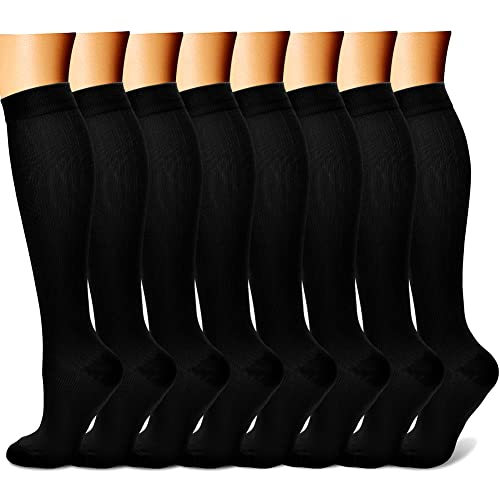
- Eight pairs per package
- Moderate 15–20 mmHg support
- Stretchy, breathable fabric
Best For: Daily rotation, travel, and value-focused shoppers
Size-Range Firm Support
SB SOX 20–30 mmHg Compression Socks
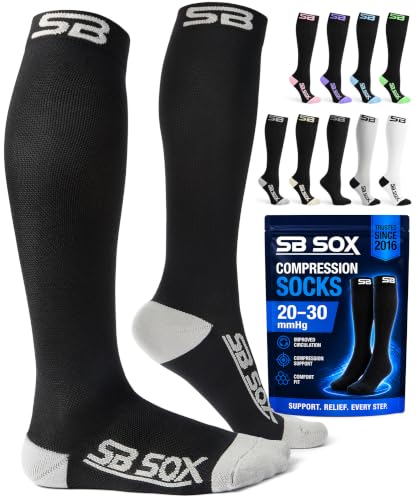
- Firm graduated support
- Sizes through XX-Large
- Cushioned heel and toe
Best For: Seniors needing firm support and wider sizing options
Extra-Wide Comfort Pick
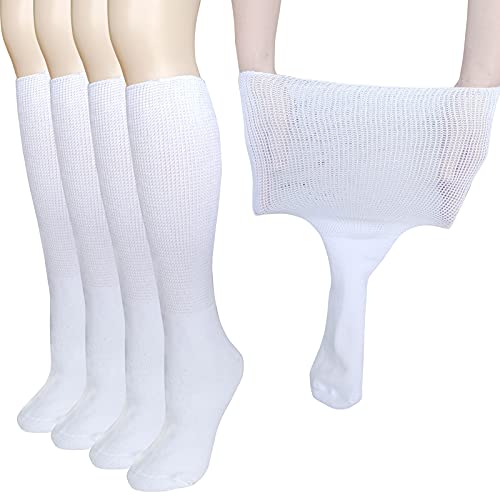
- Stretches up to 25-inch calves
- Non-binding, cushioned construction
- Useful for swelling, casts, or boots
Best For: Seniors needing roomy socks for significant swelling
Easy-On Compression Pick
Ailaka 15-20 mmHg Zipper Socks

- Graduated 15-20 mmHg compression
- Zipper makes dressing easier
- Closed-toe, knee-high coverage
Best For: Seniors needing easier-to-wear graduated compression
Multi-Pack Wide-Fit Pick

- Stretches up to 30 inches wide
- Anti-slip top and cushioned footbed
- Four-pair pack for regular rotation
Best For: Seniors needing roomy socks for edema or casts
Everyday Comfort Pick
Lightweight 15-20 mmHg Compression Socks
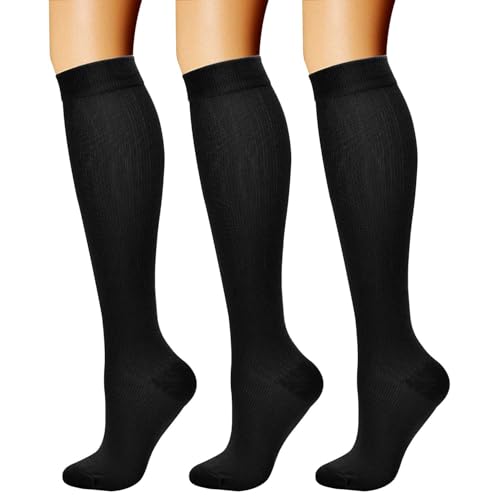
- Moderate 15-20 mmHg compression
- Breathable 85% nylon fabric
- Three-pair unisex machine-washable set
Best For: Daily wear and moderate leg support
Maximum Cushioning Pick
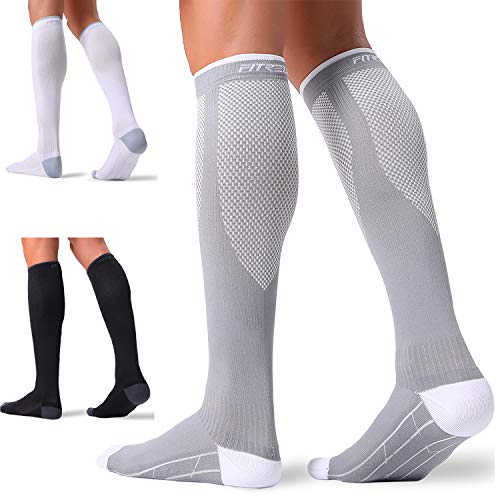
- Firmer graduated compression
- Cushioned, shock-absorbing soles
- Seamless toe and breathable mesh
Best For: Travel, standing, and cushioned daily support
Best Size Range

- 20-30 mmHg graduated compression
- Three listed size ranges
- Breathable 86% nylon fabric
Best For: Seniors needing firmer knee-high support and sizing flexibility
All-Day Active Support – Physix Gear 20–30 mmHg Compression Socks
For seniors seeking compression socks for seniors that can handle long days, the Physix Gear pair combines 20–30 mmHg support with a nylon-and-spandex stretch fabric. Its knee-high design is positioned for everyday wear, work shifts, travel, or active use.
Best For: Active seniors, travel, long periods of standing, and anyone wanting firm graduated-style support in a pull-on sock.
Pros:
- 20–30 mmHg compression is suited to shoppers looking for firm support.
- Nylon and spandex construction offers stretch and durability.
- Machine-washable care is convenient for regular use.
- Designed for both athletic and everyday wear.
Cons:
- The listed size is Large/X-Large, so fit should be checked carefully.
- Firm compression may be harder for some seniors to put on.
Physix Gear is a practical choice when durable construction and stronger support matter most. Check the sizing before ordering, especially if putting on tight compression garments is difficult.
Soft Everyday Comfort – Sockwell Women’s Circulator Compression Sock
These compression socks for seniors are made for everyday comfort, with moderate graduated compression to support circulation and reduce leg fatigue. The wool-based blend also provides moisture-wicking and natural thermoregulation for daily wear.
Best For: Women who want a moderate-compression knee-high sock for travel, prolonged sitting or standing, work, exercise, or recovery.
Pros:
- Moderate graduated compression is designed for all-day circulation support.
- Merino wool-based yarns help with moisture management and temperature regulation.
- Lightweight, high-stretch fabric supports a fitted feel.
- Made in the USA.
Cons:
- Available details list only an S/M size, limiting fit options.
- The wool-based blend may not suit shoppers who prefer synthetic-only socks.
Sockwell’s Circulator stands out for seniors who prioritize softer materials and moderate support rather than the firmest compression. Confirm the S/M sizing before purchase.
Weekly Value Pack – CHARMKING 15–20 mmHg Compression Socks
For seniors comparing compression socks for seniors on value and convenience, this CHARMKING set includes eight knee-high pairs in a breathable nylon-and-spandex blend. The 15–20 mmHg range provides moderate support, while the multipack reduces the need for frequent washing.
Best For: Seniors who want several pairs for daily rotation, travel, walking, or extended periods on their feet.
Pros:
- Eight-pair package offers convenient weekly rotation.
- 15–20 mmHg compression provides moderate support.
- High-stretch fabric is designed to make the socks easier to pull on.
- Machine-washable and available in multiple color combinations.
Cons:
- Color and pattern options may be less suitable for shoppers wanting a dressier look.
- The athletic fit may not appeal to those seeking a softer, non-sport sock.
- Size selection should be checked using the product’s size chart.
CHARMKING is a useful budget-conscious option when having multiple pairs matters. Its moderate compression and athletic construction make it especially practical for active routines and travel.
Size-Range Firm Support – SB SOX 20–30 mmHg Compression Socks
These compression socks for seniors offer 20–30 mmHg graduated support for people managing long days, travel, swelling, or leg fatigue. SB SOX provides several calf and shoe-size ranges, plus a reinforced heel and toe for added comfort.
Best For: Seniors seeking firm daily or travel support who need a broader range of calf and shoe-size options.
Pros:
- 20–30 mmHg graduated compression is designed to support circulation and reduce fatigue.
- Multiple size ranges include options through XX-Large.
- Cushioned, reinforced heel and toe improve comfort and durability.
- Lightweight, breathable nylon-spandex construction is intended for all-day wear.
Cons:
- Hand-wash-only care is less convenient than machine washing.
- Firm compression can be challenging to put on.
- Calf circumference and shoe size must be measured carefully.
SB SOX is a strong fit for seniors who need firm compression but want more sizing flexibility. Measuring both calf circumference and shoe size is particularly important for getting the intended fit.
Extra-Wide Comfort Pick – CIRZUEX Lymphedema Socks
For shoppers comparing compression socks for seniors, the CIRZUEX Extra Wide Socks prioritize room, softness, and a non-binding fit. They stretch up to 25 inches around the calf and are designed for swollen feet, ankles, and legs, including use with casts or walking boots.
Best For: Seniors with significantly swollen feet or calves, sensitive diabetic or neuropathy-prone feet, lymphedema, or a cast or boot.
Pros:
- Extra-wide stretch accommodates calves up to 25 inches.
- Non-binding design is intended to avoid cutting into swollen legs.
- Full-cushion terry provides softness, while the fabric is designed to wick moisture.
- Two-pair package offers a practical rotation.
Cons:
- These are specialized extra-wide socks rather than a conventional graduated-compression style.
- One-size construction may not provide a precise fit for every wearer.
The CIRZUEX is a sensible comfort-first option when swelling and calf width make ordinary socks too restrictive. Check the measurements and intended use before choosing it as a medical compression garment.
Easy-On Compression Pick – Ailaka 15-20 mmHg Zipper Socks
Among compression socks for seniors, the Ailaka Medical pair stands out for its zipper-assisted design. Its 15-20 mmHg graduated compression is strongest at the ankle and gradually decreases through the calf, while the closed-toe, knee-high format supports full lower-leg coverage.
Best For: Seniors who want graduated compression but may find traditional knee-high socks difficult to put on or remove.
Pros:
- Zipper closure simplifies putting the socks on and taking them off.
- Graduated 15-20 mmHg compression is designed to help reduce swelling and support circulation.
- Inner fabric beneath the zipper helps protect skin from rubbing.
- Thicker heel fabric and a compressed weave are intended to improve comfort and reduce fatigue.
Cons:
- The package includes one pair.
- Accurate measuring is important; the product advises choosing the larger size when between sizes.
- The zipper may be less suitable for shoppers seeking a completely seamless design.
The Ailaka is a practical choice for daily wear, travel, or general leg swelling when easier dressing matters. Use the supplied size chart, and consult a healthcare professional about the appropriate compression level for a medical condition.
Multi-Pack Wide-Fit Pick – Bulinlulu Edema Socks
The Bulinlulu Extra Width Diabetic Socks are a practical alternative for seniors who need generous room rather than a tight, conventional fit. Designed for swollen feet, ankles, and calves, the socks stretch up to 30 inches at the top and come in a four-pair pack.
Best For: Seniors with edema, lymphedema, diabetes-related foot sensitivity, or casts who want wide, washable socks for regular rotation.
Pros:
- Extra-wide top stretches up to 30 inches to accommodate substantial swelling.
- Anti-slip-down design helps keep the socks in place.
- Thicker footbed adds warmth and cushioning.
- Inverted toe seam is designed to reduce toe irritation, and the four-pair pack is convenient.
Cons:
- Wide, one-size styling may not deliver the close fit of graduated compression socks.
- They are pull-on socks, so they may still require effort for wearers with limited hand strength.
- Only black is listed for this version.
The Bulinlulu makes sense when maximum width, comfort, and quantity are higher priorities than a fitted compression profile. Confirm the listed size range and discuss compression needs with a clinician if swelling is medically significant.
Everyday Comfort Pick – Lightweight 15-20 mmHg Compression Socks
For shoppers comparing compression socks for seniors, the CHARMKING three-pair set offers moderate 15-20 mmHg compression with a lightweight, breathable design. Its stretch nylon-spandex fabric is intended for comfortable daily wear and flexibility.
Best For: Seniors and other adults who want moderate support for daily standing, sitting, walking, or light activity.
Pros:
- Moderate 15-20 mmHg compression supports circulation and may help reduce fatigue.
- 85% nylon fabric provides stretch, breathability, and durability.
- Unisex three-pair set is machine washable and suitable for everyday use.
Cons:
- Only two size options are listed, so careful fit checking is important.
- Moderate compression may not meet needs requiring stronger support.
This is a practical starting point for seniors seeking comfortable, moderate compression rather than a heavily padded athletic sock. Confirm the size and ask a healthcare professional about the appropriate compression level when medical guidance is involved.
Maximum Cushioning Pick – 20-30 mmHg Circulation Socks
Among compression socks for seniors, FITRELL stands out for its firmer 20-30 mmHg graduated compression, cushioned sole, and breathable mesh areas. The calf-based sizing makes measuring especially important before ordering.
Best For: Seniors who want firmer compression with extra cushioning for travel, extended standing, or daily walking.
Pros:
- 20-30 mmHg graduated compression is designed to support venous flow and reduce swelling.
- Thick, cushioned soles help absorb shock and improve underfoot comfort.
- Seamless toes and moisture-wicking mesh help reduce friction and keep feet drier.
- Three-pair set includes options for both women and men.
Cons:
- Firmer compression can be more difficult to put on than moderate-compression socks.
- The listed L/XL calf range is relatively limited at 14-16 inches.
- Its athletic design may not suit shoppers seeking a dressier appearance.
FITRELL is a strong choice when cushioning and firmer support matter more than effortless dressing. Measure the calf first, as recommended by the product notes, and seek professional guidance before using stronger compression for a medical condition.
Best Size Range – Long Knee-High Support Socks
Saniripple (3 pairs) Compression Socks 20-30 mmHg Long Knee High Socks for Women and Men 3 Black S/M
Check Price On AmazonThese three-pair knee-high socks are worth considering when shopping for compression socks for seniors who need more size flexibility. They provide 20-30 mmHg graduated compression and offer three size ranges based on shoe and calf measurements.
Best For: Seniors seeking firmer knee-high compression with more sizing choices for travel, daily wear, or extended sitting and standing.
Pros:
- Graduated 20-30 mmHg compression is highest at the ankle and decreases upward.
- Three size options cover listed calf ranges from 8 to 18 inches.
- 86% nylon and 14% spandex fabric is designed to remain breathable, elastic, and comfortable.
- Machine-washable three-pair set supports regular rotation.
Cons:
- 20-30 mmHg compression may feel too firm for some first-time users.
- The product notes list only a three-black color set, limiting variety.
- More detailed sizing is required because both shoe and calf measurements matter.
This option offers a useful balance of firmer support and broad listed sizing. It may work well for seniors who prefer knee-high coverage, but accurate measurements and appropriate medical advice are important when choosing 20-30 mmHg compression.
How We Picked the Best Compression Socks for Seniors
We compared these compression socks by looking at advertised compression strength, fit range, ease of putting them on, construction, intended use, and value. The selection includes moderate 15–20 mmHg options, firmer 20–30 mmHg styles, multipacks, wide-fit socks, and a zipper design. That variety matters because seniors can have very different needs, from mild everyday leg fatigue to difficulty reaching the feet or accommodating swelling.
Compression needs can vary with medical conditions and medications. Anyone with diagnosed circulation problems, peripheral artery disease, diabetes-related complications, significant swelling, or a history of blood clots should ask a healthcare professional which compression level is appropriate before buying.
Quick Comparison
| Need | Look for | Options in this roundup |
|---|---|---|
| Everyday, moderate support | 15–20 mmHg graduated compression | CHARMKING, Ailaka Medical, Sockwell |
| Firmer support for active wear or travel | 20–30 mmHg compression | Physix Gear, SB SOX, FITRELL |
| Swollen feet or wide calves | Extra-width, nonbinding construction | CIRZUEX, Bulinlulu |
| Easier dressing | Zipper or flexible opening | Ailaka Medical, wide-fit styles |
Key Buying Factors for Compression Socks for Seniors
Compression Level
Compression is measured in mmHg. Lower or moderate levels, such as 15–20 mmHg, are often more approachable for routine wear, while 20–30 mmHg provides firmer support and may be harder to apply. Do not assume stronger is better; choose based on comfort and professional guidance when needed.
Fit and Measurements
Check the manufacturer’s size chart using calf circumference, ankle measurement, shoe size, and sometimes height. A sock that is too tight can cause discomfort, while one that is too loose may slide down. Seniors with swelling should measure when the leg is least swollen if their clinician recommends that approach, then confirm the sizing instructions for the specific product.
Ease of Putting on and Removing
Firm compression socks can require considerable hand strength. Zippers, stretchier fabrics, wide openings, and nonbinding tops may be better for people with arthritis, limited mobility, or reduced flexibility. A donning aid can also help, but the sock should never be forced or folded into a tight band.
Construction and Daily Comfort
Look for a smooth toe area, breathable fabric, reinforced heels, and a top that stays in place without digging into the skin. For swollen feet, casts, or unusually wide calves, prioritize room and pressure distribution over a standard athletic fit.
Who Should Buy Which Compression Socks for Seniors?
Choose a moderate 15–20 mmHg pair for general daytime support and a potentially easier transition into compression wear. Consider a 20–30 mmHg option for users who specifically need firmer support and can comfortably apply it. Multipacks are useful for daily wear and regular washing, while wide-fit or nonbinding socks are better suited to swelling, edema, or larger calves. A zipper style may be the most practical choice for anyone who struggles to pull on traditional knee-high socks.