You do not need to spend a fortune for dependable footwear on day hikes, weekend trips, and everyday outdoor adventures. The best hiking shoes under $100 can provide useful traction, weather protection, cushioning, and support when matched to the right terrain.
This roundup compares 10 affordable options, from lightweight trail sneakers to waterproof leather boots. Use the guide below to narrow your choice by fit, construction, climate, and the type of trails you plan to tackle.
Best 10 Hiking Shoes Under 100 Picks for 2026
Lightweight Trail Pick
Columbia Crestwood Hiking Boots
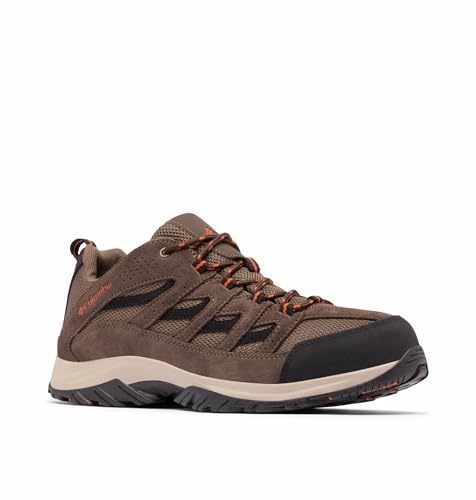
- Lightweight suede-mesh construction
- Breathable for dry environments
- High-traction rubber tread
Best For: Dry trails and everyday outdoor wear
Cushioned Trail Runner
Under Armour Charged Bandit Trail 3

- Ventilated lightweight mesh upper
- Responsive Charged Cushioning
- Technical lugs for trail traction
Best For: Trail running and light hiking
Wet-Trail Protection
NORTIV 8 Waterproof Hiking Boots

- Waterproof ankle-high design
- Cushioned removable insoles
- Slip-resistant rubber traction
Best For: Wet trails, camping, and outdoor work
Light Hiking Support
adidas Terrex Skychaser AX5 GTX
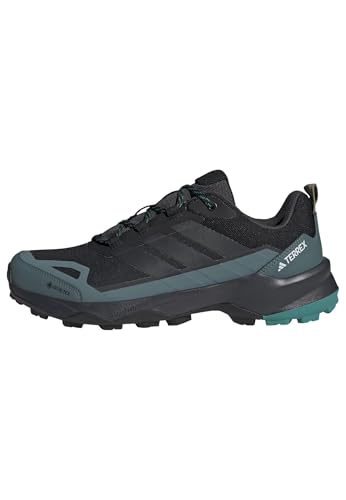
- Lightweight textile-synthetic upper
- Responsive Lightmotion cushioning
- Water-resistant construction
Best For: Light mountain hiking and everyday exploration
Lightweight Tactical Pick
FREE SOLDIER Waterproof Hiking Boots

- Durable suede and Cordura upper
- Waterproof, breathable construction
- Protective six-inch tactical design
Best For: Hikers and outdoor workers wanting lightweight ankle coverage
Wide-Fit Comfort Pick
FitVille Water-Resistant Hiking Shoes

- Wide and extra-wide toe-box options
- Lugged rubber outsole for traction
- Arch support with responsive cushioning
Best For: Long walks and hikes requiring extra forefoot room
Waterproof Trail Value

- Waterproof membrane construction
- Deep-lug rubber outsole
- Roomy fit and maximum cushioning
Best For: Hiking and camping on wet or varied outdoor terrain
Leather Trail Protection
NORTIV 8 Waterproof Hiking Shoes

- Waterproof breathable leather construction
- Protective rubber toe cap
- Multi-directional traction for mud and rock
Best For: Wet-weather hiking and versatile outdoor use
Lightweight Trail Comfort
SHULOOK Waterproof Hiking Shoes

- Lightweight waterproof low-top design
- Memory-foam insole and maximum cushioning
- Slip-resistant grip for dirt and rock
Best For: Comfort-focused hiking, walking, and travel
Leather Grip Value
OL OUTJET LEGEND Waterproof Hiking Shoes
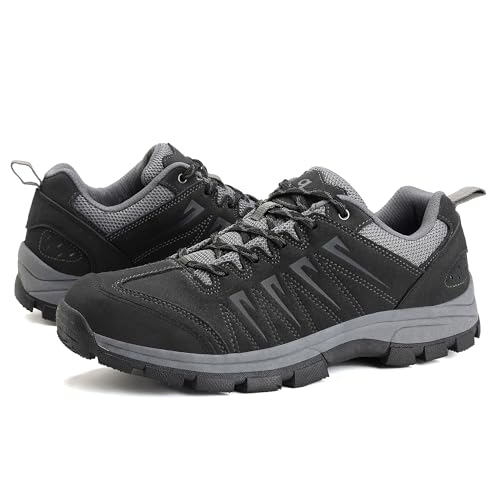
- Waterproof genuine leather upper
- EVA cushioning with rubber traction
- Free returns and exchanges within 12 months
Best For: Versatile trail, work, and outdoor use
Lightweight Trail Pick – Columbia Crestwood Hiking Boots
For hikers seeking hiking shoes under 100, the Columbia Crestwood offers a lightweight, breathable option for dry trails and everyday outdoor wear. Its suede-mesh construction, TechLite cushioning, and rubber traction tread are designed for comfort and stability without excessive bulk.
Best For: Dry-weather hiking, dirt and rocky trails, and casual outdoor use.
Pros:
- Lightweight design with high-level TechLite cushioning
- Breathable suede-mesh upper suited to dry environments
- High-traction rubber tread for dirt, rocks, and varied terrain
- No break-in period is specified in the product notes
Cons:
- Not water resistant
- Designed primarily for dry environments
The Crestwood is a practical choice when comfort, breathability, and traction matter more than wet-weather protection. Consider it for everyday trails and warm, dry outings.
Cushioned Trail Runner – Under Armour Charged Bandit Trail 3
Among hiking shoes under 100, the Under Armour Charged Bandit Trail 3 stands out for its lightweight trail-running design and responsive cushioning. Its ventilated mesh upper, protective overlays, and technical lugs support active movement on established trails.
Best For: Trail running, light hiking, and hikers who prefer a responsive athletic feel.
Pros:
- Lightweight engineered mesh promotes ventilation
- Strategic overlays add durability in high-abrasion areas
- Charged Cushioning midsole offers responsive support
- Technical trail lugs provide traction on ascents and descents
Cons:
- Not water resistant
- Moderate/high cushioning may not suit hikers seeking a firmer feel
This model is a strong fit for faster-paced outings where low weight, underfoot responsiveness, and trail grip are priorities. It is less suitable for wet conditions.
Wet-Trail Protection – NORTIV 8 Waterproof Hiking Boots
For shoppers comparing hiking shoes under 100, the NORTIV 8 ankle-high hiking boots offer waterproof coverage and a more protective mid-top profile. Removable cushioned insoles, flexible EVA midsoles, and slip-resistant rubber soles are geared toward long days on varied terrain.
Best For: Wet or muddy trails, camping, trekking, and outdoor work requiring ankle-high coverage.
Pros:
- Waterproof construction for wet conditions
- Removable, shock-absorbent cushioned insoles
- Flexible EVA midsoles help reduce foot fatigue
- Slip-resistant rubber soles provide traction on wet or muddy surfaces
Cons:
- Ankle-high boot design is less minimal than a low-top hiking shoe
- The product notes do not provide a specific break-in claim
The NORTIV 8 is the practical option here when weather protection and stability take precedence over a lightweight low-top feel. Its versatile styling also suits work and outdoor activities beyond hiking.
Light Hiking Support – adidas Terrex Skychaser AX5 GTX
adidas Men's Terrex Skychaser AX5 Gore-TEX Hiking, Black/Carbon/Pure Teal, 6.5
Check Price On AmazonThe adidas Terrex Skychaser AX5 Gore-tex is a compelling hiking shoes under 100 option for light mountain hiking and everyday exploration. Its textile-and-synthetic upper keeps the design lightweight, while Lightmotion cushioning adds responsive support and the water-resistant construction offers added weather coverage.
Best For: Light hiking in mountain terrain and everyday adventures where responsive cushioning matters.
Pros:
- Lightweight textile-and-synthetic upper
- Lightmotion cushioning provides responsive underfoot support
- Water-resistant construction adds weather protection
- Versatile design balances comfort, control, and protection
Cons:
- Runs small; the product notes recommend buying one size bigger
- Positioned for light hiking rather than explicitly heavy-duty trekking
This adidas model makes sense for hikers wanting a lightweight, cushioned shoe for moderate mountain outings and casual exploration. Pay close attention to sizing before ordering.
Lightweight Tactical Pick – FREE SOLDIER Waterproof Hiking Boots
If you want hiking shoes under 100 with added ankle coverage, these FREE SOLDIER boots combine a suede-and-Cordura upper with a six-inch shaft. They are built for hiking, work, and other outdoor activities where durability, grip, and protection matter.
Best For: Hikers and outdoor workers who prefer lightweight, waterproof boots with ankle support and a protective toe cap.
Pros:
- Suede leather and 1000D Cordura fabric offer durable, scratch-resistant construction.
- Waterproof design includes a breathable lining, removable insole, and vented collar holes.
- Geometric all-terrain outsole, reinforced toe and heel, and gusseted tongue support rugged use.
- Lightweight EVA midsole and quick lace fastening help with comfort and convenience.
Cons:
- The six-inch boot height offers less low-top flexibility than a hiking shoe.
- The tactical styling may be less versatile for casual wear than a conventional trail shoe.
This is a practical choice when protection and weather resistance are higher priorities than a minimalist hiking-shoe feel. Confirm the fit against the provided size chart before ordering.
Wide-Fit Comfort Pick – FitVille Water-Resistant Hiking Shoes
Among hiking shoes under 100, the FitVille outdoor hiking shoe stands out for its wide and extra-wide toe-box options. Its water-resistant suede upper, lugged rubber outsole, arch-support insole, and responsive cushioning are aimed at comfortable walking on dirt and gravel.
Best For: Hikers who need extra forefoot room and moderate cushioning for longer walks on gravel or dirt trails.
Pros:
- Wide and extra-wide toe box allows more natural toe movement.
- Full rubber lugged outsole provides traction on uneven gravel and trail surfaces.
- Water-resistant microfiber suede helps limit moisture and abrasion.
- Arch support and high-rebound cushioning are designed to reduce strain and fatigue.
Cons:
- The upper is water-resistant rather than described as fully waterproof.
- Moderate cushioning may offer less underfoot padding than maximum-cushion models.
Choose this model if fit is your main concern, especially if standard hiking shoes feel cramped in the forefoot. Its neutral-pronation design and casual low-top profile also suit everyday outdoor wear.
Waterproof Trail Value – NORTIV 8 Low Top Hiking Shoes
For shoppers comparing hiking shoes under 100, these NORTIV 8 low-top shoes offer waterproof construction and substantial trail protection. A rubber toe cap, reinforced heel, deep-lug outsole, and cushioned MD midsole make them suited to hiking, camping, and varied outdoor activities.
Best For: Outdoor users who want waterproof low-top shoes with roomy fit, strong grip, and maximum cushioning.
Pros:
- Waterproof membrane construction helps keep feet dry in puddles and shallow streams.
- Deep-lug rubber outsole is designed for reliable grip across varied surfaces.
- Rubber toe cap and reinforced heel add impact protection and stability.
- Roomy toe box, flexible MD midsole, and maximum cushioning support longer outings.
Cons:
- The low-top design provides less ankle coverage than a hiking boot.
- The listed faux leather and nylon upper may feel less premium than leather construction.
This model is a strong all-around option when waterproofing and cushioning are more important than a lightweight minimalist build. Its roomy fit may also appeal to hikers who prefer additional toe space.
Leather Trail Protection – NORTIV 8 Waterproof Hiking Shoes
For hiking shoes under 100, the NORTIV 8 Quest-1 stands out as a practical leather option for wet trails and everyday outdoor use. Its waterproof membrane, protective rubber toe cap, and multi-directional traction are suited to muddy paths and rocky surfaces.
Best For: Hikers who want waterproof leather construction, toe protection, and versatile all-weather use.
Pros:
- Suede leather upper with a rubber toe cap for added protection.
- Waterproof, breathable construction helps keep feet dry.
- Rubber MDT outsole provides traction on mud and rocks.
- Removable insole and shock-absorbing midsole support all-day comfort.
Cons:
- Customers may receive either the enhanced or prior style during the model transition.
- Moderate cushioning may not suit shoppers seeking maximum underfoot padding.
Choose this pair if durable materials and wet-weather protection matter more than an especially lightweight trail shoe. It also works well as a general-purpose outdoor shoe for walking, camping, and travel.
Lightweight Trail Comfort – SHULOOK Waterproof Hiking Shoes
Among hiking shoes under 100, the SHULOOK low-top trail shoe emphasizes lightweight comfort without giving up wet-weather protection. A cushioned midsole, memory-foam insole, and multi-directional outsole make it a practical choice for hikes, daily walks, and travel.
Best For: Hikers seeking a lightweight, cushioned shoe for dirt paths, rocky terrain, and everyday outdoor wear.
Pros:
- Waterproof upper helps protect feet while allowing airflow.
- Lightweight design with maximum cushioning and a memory-foam insole.
- Reinforced toe helps guard against rocks, roots, and impacts.
- Slip-resistant outsole offers grip across dirt and rocky surfaces.
Cons:
- Low-top design provides less ankle coverage than an ankle-high hiking shoe.
- Its motion-control arch design may not be ideal for every foot shape.
This is a strong fit for shoppers prioritizing comfort and weight savings on moderate trails or long walking days. The waterproof build and versatile styling also extend its usefulness beyond hiking.
Leather Grip Value – OL OUTJET LEGEND Waterproof Hiking Shoes
For buyers comparing hiking shoes under 100, the OL OUTJET LEGEND combines a genuine leather upper with waterproof OL-TEX construction and a grippy rubber outsole. Its low-top profile and cushioning are designed for trails, camping, daily work, and other outdoor activities.
Best For: Outdoor users who want waterproof leather, moderate cushioning, and a versatile low-top shoe.
Pros:
- Genuine leather upper with waterproof OL-TEX design.
- Thick EVA midsole provides cushioning and shock absorption.
- Rubber outsole delivers slip-resistant traction and all-weather grip.
- Brand offers free returns and exchanges within 12 months.
Cons:
- Moderate cushioning may feel less padded than maximum-cushioning alternatives.
- Low-top construction offers less ankle coverage on uneven terrain.
Consider this model if you prefer the structure and durability of leather in a shoe that can transition from trails to everyday work or travel. It offers a balanced feature set rather than a highly specialized hiking design.
How We Picked the Best Hiking Shoes Under 100
We focused on the features that matter most at this price: outsole traction, water resistance or waterproof construction, ankle coverage, cushioning, durability, and overall versatility. The selection includes low-top shoes for faster day hikes, trail sneakers for flexible movement, and higher boots for added coverage and stability.
We also considered how each style fits different use cases. A lightweight shoe may feel better on maintained paths, while a sturdier boot can be preferable for wet conditions, uneven ground, or carrying a heavier pack. Because fit varies by brand, treat sizing charts and customer fit feedback as important parts of the final decision.
Quick Comparison
| Best For | Look For | Recommended Style |
|---|---|---|
| Easy day hikes | Light weight, cushioning, flexible sole | Low-top hiking shoe or trail sneaker |
| Wet trails | Waterproof membrane, gusseted tongue, grippy outsole | Waterproof low-top or boot |
| Rough or rocky terrain | Firm midsole, protective toe, aggressive tread | Structured hiking shoe or boot |
| Extra ankle coverage | Higher collar, secure lacing, supportive upper | Ankle-high hiking boot |
| Daily outdoor wear | Comfortable fit, moderate traction, breathable materials | Versatile trail shoe |
Key Buying Factors for Hiking Shoes Under $100
Traction and Outsole Design
Check the tread pattern before buying. Deeper, widely spaced lugs generally shed mud more effectively, while a moderately lugged outsole can feel smoother on pavement and packed trails. Rubber compound and tread durability matter as much as lug depth.
Waterproofing and Breathability
Waterproof shoes are useful for rain, puddles, and damp grass, but they can feel warmer than mesh designs. If you hike mostly in dry, hot weather, prioritize ventilation. For changeable conditions, waterproof construction paired with moisture-managing socks offers more flexibility.
Fit, Support, and Cushioning
Your heel should stay secure without pressure, and your toes should have enough room to spread without sliding forward. Try shoes with the socks you expect to wear. Stiffer midsoles and higher collars can add confidence on uneven ground, while flexible cushioning is often more comfortable for casual mileage.
Materials and Durability
Leather and reinforced synthetic uppers typically provide more structure and abrasion resistance. Mesh can reduce weight and improve airflow but may be less protective against rocks and brush. Inspect toe caps, heel counters, stitching, and lacing hardware if you expect frequent use.
Who Should Buy Which Hiking Shoes Under 100?
Choose a lightweight low-top model if you mainly walk maintained trails and want everyday comfort. Pick a waterproof low-top when rain and wet grass are common but you do not need substantial ankle coverage. An ankle-high boot is a better match for hikers who value added structure, protection, or a more secure feel on uneven terrain.
If you split your time between errands and outdoor use, look for a versatile trail sneaker with moderate traction and cushioning. For muddy routes, rocky surfaces, or heavier loads, prioritize a firm sole, protective upper, and secure heel fit over the lightest possible design. Whichever pair you choose, break it in gradually before a long hike and pair it with moisture-wicking socks.