If you want a fitness watch with muscle heat maps, you’re likely looking for more than step counts and calorie estimates. The best picks help you understand training load, recovery, and how your body responds to each workout.
Our roundup focuses on watches that support smarter training, clearer recovery insights, and strong everyday usability, so you can choose a device that fits your sport, budget, and wrist size.
Best 10 Fitness Watch with Muscle Heat Maps Picks for 2026
Premium Multisport Powerhouse

- Large AMOLED display with sapphire lens and titanium bezel.
- Advanced training readiness, HRV, recovery, and endurance tools.
- Built-in flashlight and detailed mapping/navigation features.
Best For: Larger wrists and serious athletes who want premium multisport tracking and navigation.
Screenless Recovery Coach
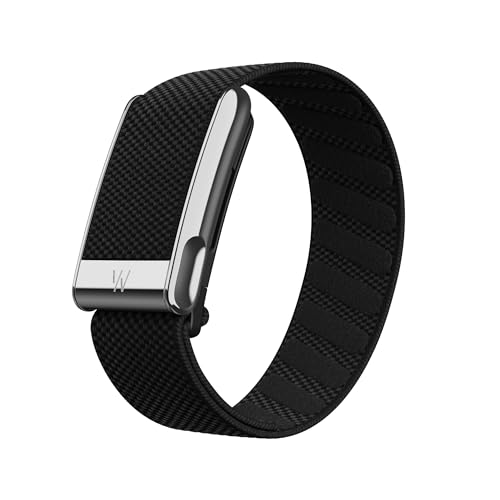
- Screenless design with 14+ day battery life.
- Tracks sleep, strain, recovery, stress, and VO2 max continuously.
- Includes ECG, rhythm alerts, and daily blood pressure insights.
Best For: Users who want continuous recovery coaching without a smartwatch screen.
Lightweight Runner's Pick

- Built-in GPS and wrist-based heart rate in a lightweight 43mm design.
- AMOLED display, buttons, and easy training controls.
- Daily suggested workouts, Garmin Coach, and recovery metrics.
Best For: Runners who want simple, reliable training guidance in a lightweight watch.
Big Screen Training Watch

- 1.5-inch AMOLED display with 3,000-nit brightness.
- Up to 25-day battery life and 4GB storage for maps/music.
- 170+ sport modes plus BioCharge and Zepp Coach plans.
Best For: Users who want a bright, long-lasting watch with maps and broad workout coverage.
Premium Running Multisport Pick

- AMOLED display with button controls
- Built-in maps and multi-band GPS
- Training readiness and running power
Best For: Runners and triathletes who want advanced training data and navigation
Health-First Compact Pick

- Compact 41mm design with flashlight
- 24/7 health monitoring and Body Battery
- Sleep coaching and lifestyle logging
Best For: Buyers who want a smaller smartwatch with strong health monitoring
Recovery-Focused Choice

- Body Battery and recovery tools guide training decisions
- 80+ sports apps plus daily suggested workouts
- Sleep coaching and HRV status add wellness insight
Best For: Users who want guided training and recovery tracking
Value Wellness Pick

- Up to 11-day battery life for everyday use
- Body Battery, sleep coaching, and nap logging
- 30+ sports apps with music storage support
Best For: Buyers who want a well-rounded wellness smartwatch
Premium Multisport Powerhouse – Garmin epix Pro 51mm Sapphire
If you want a fitness watch with muscle heat maps and advanced performance data, the Garmin epix Pro (Gen 2) is built for athletes who want a premium training tool rather than a basic tracker. Its large AMOLED display, rugged sapphire lens, and deep multisport features make it a strong pick for serious training, recovery, and navigation.
Best For: Larger wrists, multisport athletes, and runners who want premium training metrics, navigation, and durability.
Pros:
- Large 1.4-inch always-on AMOLED display with scratch-resistant sapphire lens and titanium bezel.
- Advanced training and recovery tools, including HRV status, Pulse Ox, Morning Report, Training Readiness, hill score, and endurance score.
- Wrist-based running power, strength training features, pacing modes, and 24/7 health monitoring.
- Built-in flashlight plus detailed navigation support with multi-band GPS, TopoActive maps, and Up Ahead prompts.
Cons:
- 51mm case is large and better suited to bigger wrists.
- Feature-rich design may be more than casual exercisers need.
- Premium build and capabilities typically come at a higher cost.
This is a strong all-in-one option if you want a rugged, high-end watch that can handle training, outdoor navigation, and recovery tracking in one device.
Screenless Recovery Coach – WHOOP 5.0/MG Tracker
The WHOOP 5.0/MG is a different kind of fitness watch with muscle heat maps style performance tracking, built for people who want continuous health insights without a screen getting in the way. With 24/7 monitoring, long battery life, and coaching focused on sleep, strain, and recovery, it fits users who care more about data and guidance than smartwatch extras.
Best For: Athletes and health-focused users who want screenless, around-the-clock coaching and recovery tracking.
Pros:
- Screenless design with up to 14+ days of battery life for uninterrupted wear.
- Monitors heart rate every second and provides Sleep, Strain, Recovery, VO2 max, menstrual cycle, and stress insights.
- Includes Heart Screener with on-demand ECG, irregular rhythm notifications, and daily blood pressure estimates.
- Personalized WHOOP AI guidance uses 140+ metrics and integrates with Apple Health, Google Health Connect, Strava, and TrainingPeaks.
Cons:
- No built-in screen, so you must rely on the app for most information.
- Requires a membership, not just a one-time device purchase.
- Less focused on classic smartwatch features like apps and notifications.
If you want a wearable that stays out of the way while delivering deep recovery and performance insights, WHOOP is one of the most distinctive options here.
Lightweight Runner's Pick – Garmin Forerunner 165
The Garmin Forerunner 165 is a practical fitness watch with muscle heat maps appeal for runners who want useful training data without paying for a flagship model. It combines built-in GPS, wrist-based heart rate, and an easy-to-read AMOLED display in a lightweight package that is simple to use day to day.
Best For: Runners and fitness-focused buyers who want straightforward training guidance and a lightweight smartwatch.
Pros:
- Built-in GPS plus wrist-based heart rate for pace, distance, and workout tracking.
- AMOLED touchscreen with physical buttons for easier control during workouts.
- Personalized daily suggested workouts, Garmin Coach plans, and race-adaptive training support.
- Useful recovery features such as training effect, recovery time, morning report, and HRV status.
Cons:
- Battery life is solid, but not as long as some higher-end competitors.
- Best suited to running-focused users rather than broad outdoor mapping needs.
- Fewer advanced metrics than Garmin’s premium multisport watches.
For buyers who mainly run and want a dependable training companion, the Forerunner 165 keeps the essentials focused and easy to understand.
Big Screen Training Watch – Amazfit Active Max
If you’re shopping for a fitness watch with muscle heat maps style training feedback, the Amazfit Active Max stands out for its large display, long battery life, and strong map support. It is designed for users who want bright on-wrist data, offline navigation, and enough sport modes to cover everything from runs to strength work.
Best For: Active users who want a bright, long-lasting smartwatch with maps, coaching, and lots of workout modes.
Pros:
- Large 1.5-inch AMOLED display with 3,000-nit brightness for easy outdoor visibility.
- Up to 25 days of battery life and 4GB of storage for music and downloaded maps.
- Free downloadable terrain and ski maps with offline navigation and five-system satellite positioning.
- 170+ sport modes, BioCharge energy monitoring, and Zepp Coach personalized training plans.
Cons:
- Uses a magnetic clasp, which may not suit every preference.
- Android-only limitations apply for some voice message features.
- Not as established as some premium fitness brands for deep ecosystem integration.
The Active Max makes sense if you want a bright display, long battery life, and practical training tools in a feature-packed everyday watch.
Premium Running Multisport Pick – Garmin Forerunner 965
If you want a fitness watch with muscle heat maps-style training insight, the Garmin Forerunner 965 is built for serious runners and multisport athletes who care about advanced metrics, recovery, and route planning. It combines full-color mapping, multi-band GPS, and wrist-based running dynamics with a lightweight AMOLED design.
Best For: Runners and triathletes who want advanced training data, maps, and long battery life.
Pros:
- Brilliant AMOLED touchscreen with button controls and a lightweight titanium bezel
- Built-in full-color maps plus multi-band GPS for confident route tracking
- Training readiness, training status, and daily suggested workouts for structured training
- Wrist-based running dynamics and running power for deeper performance feedback
Cons:
- More advanced than a casual fitness watch
- Premium feature set may be more than some buyers need
Overall, the Forerunner 965 stands out if you want detailed training guidance rather than basic step tracking. It is especially compelling for athletes who value recovery insights, route navigation, and performance metrics in one watch.
Runner-Friendly Value Pick – Amazfit Active 3
The Amazfit Active 3 is a practical fitness watch with muscle heat maps-style performance tracking for runners who want deep workout data without a bulky design. It focuses on route accuracy, coaching, and recovery insights, while also adding offline maps and a bright AMOLED display.
Best For: Runners who want coaching, offline maps, and detailed form metrics in a lightweight watch.
Pros:
- 1.32-inch AMOLED display with sapphire glass and a lightweight stainless steel frame
- Free offline maps with turn-by-turn directions and automatic rerouting
- Built-in running workouts plus Zepp Coach for guidance from 5K to marathon
- Deep fitness insights including running power, lactate threshold, and ground contact time
Cons:
- Battery life is strong, but shorter than some top endurance watches at up to 12 days
- Feature depth is focused more on running and training than broad outdoor navigation
If your priority is training feedback and route support, the Active 3 offers a strong mix of form metrics and coaching tools. It is a smart pick for runners who want useful performance data in a watch that still stays approachable.
Health-First Compact Pick – Garmin Venu 4
The Garmin Venu 4 is a compact fitness watch with muscle heat maps-style health tracking for people who want a clearer picture of recovery, sleep, and daily wellness. It emphasizes continuous monitoring, lifestyle logging, and sports support in a smaller 41mm design with a bright display and built-in flashlight.
Best For: Buyers who want a smaller smartwatch with strong health monitoring and broad sport support.
Pros:
- Smaller 41mm design with a bright display and built-in flashlight
- 24/7 health monitoring with wrist heart rate, Body Battery, stress tracking, and fitness age
- Advanced sleep tracking with sleep score, coaching, and circadian rhythm guidance
- Health status and lifestyle logging for caffeine and alcohol tracking in Garmin Connect
Cons:
- Battery life tops out at up to 10 days, which is good but not class-leading
- More health-focused than a specialized training watch with deep running metrics
The Venu 4 makes sense if your buying decision is driven by overall wellness, sleep, and easier day-to-day monitoring. It is a balanced option for users who want a compact smartwatch that still covers plenty of sports and health features.
Premium Performance Pick – Amazfit Balance 2
If you want a fitness watch with muscle heat maps-style training focus in a broad sense, the Amazfit Balance 2 is built for performance-minded users who want deep workout tracking, recovery insights, and long battery life. It supports 170+ sport modes, includes official HYROX modes, and adds GPS mapping features for training outdoors without needing to stay tethered to your phone.
Best For: Athletes who want a durable, long-lasting smartwatch with advanced sport tracking and offline maps.
Pros:
- Up to 21-day battery life helps reduce charging interruptions.
- 170+ sports, including HYROX training and competition modes, add serious training versatility.
- Dual-band GPS plus downloadable maps support more confident outdoor sessions.
- 24/7 monitoring covers heart rate, sleep quality, blood oxygen, stress, and HRV recovery metrics.
Cons:
- No dedicated muscle heat map feature is listed in the supplied product details.
- Some advanced functions may be more than casual users need.
- Magnetic charging base is included, but no USB-C cable is mentioned.
Overall, this is a strong pick if you care more about robust sport tracking, navigation, and recovery data than lightweight basics. The premium build, long battery, and offline mapping make it especially appealing for multi-sport training and endurance use.
Recovery-Focused Choice – Garmin vívoactive 6
The Garmin vívoactive 6 is a practical fitness watch with muscle heat maps-style appeal if your priority is understanding training load, recovery, and daily readiness. It brings a bright AMOLED display, strong battery life, and detailed health tools like Body Battery energy monitoring, sleep coaching, and workout benefit insights to help you train smarter.
Best For: Users who want guided training, recovery tracking, and broad fitness app support in a compact smartwatch.
Pros:
- Body Battery and recovery tools help you gauge when to push or rest.
- More than 80 built-in sports apps cover a wide range of activities.
- Sleep coaching, HRV status, and nap detection add useful recovery context.
- Daily suggested workouts and Garmin Coach support structured training.
Cons:
- No dedicated muscle heat map feature is listed in the supplied notes.
- Battery life is shorter than some competitors at up to 11 days.
- It is more recovery- and wellness-oriented than adventure-focused.
For buyers who want a balanced training watch with strong wellness analytics, the vívoactive 6 stands out. It is especially useful if you like personalized guidance and want a watch that ties workouts, rest, and sleep together in one system.
Value Wellness Pick – Garmin vívoactive 5
The Garmin vívoactive 5 is a straightforward fitness watch with muscle heat maps-style usefulness for anyone focused on body awareness, recovery, and everyday health tracking. It offers a bright AMOLED display, up to 11 days of battery life, and a mix of workout and wellness tools that make it easy to monitor how exercise and rest affect your day.
Best For: Buyers who want a well-rounded health and fitness smartwatch with strong battery life and simple training support.
Pros:
- Up to 11 days of battery life supports less frequent charging.
- Body Battery, sleep coaching, and nap logging help explain recovery trends.
- More than 30 built-in sports apps cover core workouts and activities.
- Music storage and wireless headphone support make it handy for phone-free sessions.
Cons:
- No dedicated muscle heat map feature is listed in the supplied details.
- Fewer built-in sports apps than the vívoactive 6.
- Some advanced training features are more limited than higher-end models.
If you want a practical everyday smartwatch that still keeps fitness and recovery front and center, the vívoactive 5 is a solid pick. It delivers the core Garmin wellness experience in a compact, approachable package.
How We Picked the Best Fitness Watch with Muscle Heat Maps
For this roundup, we focused on fitness watches that offer meaningful training feedback, strong GPS accuracy, health tracking, and workout recovery tools. Since true muscle heat map features are rare in mainstream wearables, we prioritized models that pair advanced training analytics with app ecosystems or coaching platforms that can help interpret muscle strain, workload, and recovery trends.
We also weighed battery life, display quality, comfort, sports support, and whether the watch is better for serious training or daily wellness use. The goal was to surface options that make sense for different types of athletes, not just the most expensive models.
Quick Comparison
If you train hard and want top-tier performance data, premium multisport watches are the strongest fit. If you care more about guided recovery, sleep, and long-term habit tracking, wellness-first wearables may be better. Midrange GPS watches tend to be the sweet spot for runners and gym users who want reliable basics without paying for every advanced feature.
Key Buying Factors for a Fitness Watch with Muscle Heat Maps
Training and Recovery Depth
Look for advanced metrics such as training load, recovery time, heart-rate variability, sleep insights, and workout readiness. These features are the closest practical match to what shoppers expect from a Fitness Watch with Muscle Heat Maps, because they help you see how hard your body is working and when to back off.
Sport Profiles and Coaching
Choose a watch with the activity modes you actually use. Runners may want pace alerts, intervals, and GPS accuracy, while lifters and cross-training athletes benefit from broader workout tracking and coaching guidance.
Display, Battery, and Comfort
AMOLED displays are easier to read indoors and during workouts, while longer battery life matters if you train daily or track sleep. Case size and strap comfort are also important, especially if you’ll wear the watch all day and overnight.
App Ecosystem and Data Use
Some watches are better at collecting data, while others are better at turning it into useful coaching. Make sure the companion app presents trends clearly and syncs with your preferred training tools.
Who Should Buy Which Fitness Watch with Muscle Heat Maps?
Buy a premium multisport watch if you want the most complete training package, especially for endurance sports and advanced metrics.
Buy a wellness-focused smartwatch if sleep, recovery, stress, and everyday health monitoring matter as much as workouts.
Buy a budget-friendly GPS watch if you mainly want solid fitness tracking, reliable basics, and good battery life without paying for elite features.
Buy a subscription-based tracker if you want constant coaching and recovery guidance, and you’re comfortable paying monthly or yearly for deeper insights.
In short, the best choice depends on how you train. If your main goal is smarter recovery and performance feedback, prioritize the most advanced metrics available rather than chasing the largest screen or longest battery alone.
