Choosing the right heart rate monitor can make workouts more accurate, more focused, and easier to track over time.
From chest straps to armbands and smartwatch-style trackers, the best options balance comfort, sensor accuracy, app compatibility, and battery life.
Best 10 Heart Rate Monitors Under 300 Picks for 2026
Most Accurate Chest Strap
Polar H10 Heart Rate Monitor Chest Strap
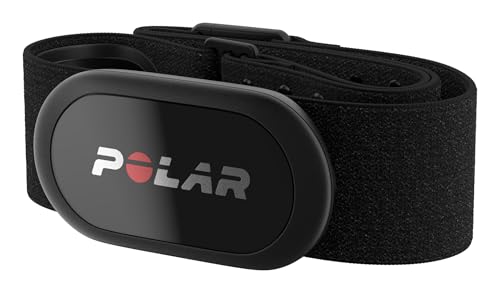
- Highly accurate chest strap sensor
- Bluetooth, ANT+, and 5 kHz support
- Waterproof with internal memory
Best For: Athletes who want precision and broad compatibility
Advanced Garmin Training Strap

- Real-time heart rate and HRV data
- Workout recording without a watch
- Running, treadmill, and swim support
Best For: Garmin users who want advanced metrics
Long-Battery Comfort Pick
Wahoo TRACKR Heart Rate Monitor

- Over 100 hours of rechargeable battery life
- Bluetooth and ANT+ connectivity
- Slim strap with LED status indicators
Best For: Training riders and runners who want endurance and simplicity
Simple Durable Garmin Strap

- Real-time heart rate and HRV transmission
- Up to 1 year battery life
- Machine washable, 3 ATM-rated strap
Best For: Garmin users who want a durable, low-maintenance strap
Reliable Chest Strap Pick
GEOID HS500 Heart Rate Monitor

- Bluetooth and ANT+ support for broad compatibility
- 800-hour battery with replaceable CR2032 cell
- IP67 waterproof, lightweight chest strap design
Best For: Runners, cyclists, and gym users who want simple tracking
Medical-Grade Rhythm Check
KardiaMobile 1-Lead EKG Monitor

- 30-second single-lead EKG with app-based results
- Detects AFib, Tachycardia, Bradycardia, and normal rhythm
- Pocket-size design with no cords, Wi-Fi, or PC needed
Best For: Anyone wanting a portable heart rhythm check with smartphone support
Workout Value Strap
COOSPO H6 Heart Rate Monitor Chest Strap
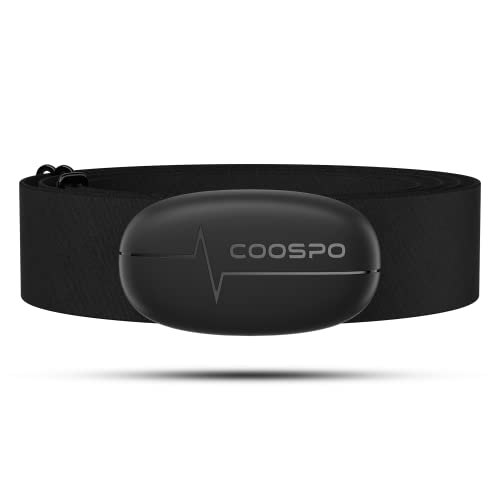
- Bluetooth 4.0 and ANT+ dual-mode connectivity
- Works with apps, watches, bikes, and gym machines
- 300-hour battery life with replaceable CR2032 battery
Best For: Athletes wanting broad compatibility for training and gym use
Smartwatch Health Tracker

- 24/7 heart rate, blood oxygen, and blood pressure tracking
- 120+ sports modes with steps, distance, and calories
- Notifications, reminders, and phone GPS route support
Best For: Shoppers who want a feature-packed fitness watch for everyday health tracking
Chest Strap HRM
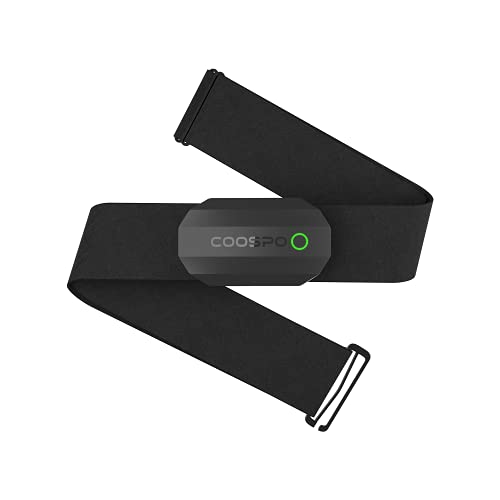
- ±1 BPM claimed accuracy for workout tracking
- Bluetooth 4.0 and ANT+ for broad compatibility
- 300-hour battery life with replaceable battery
Best For: Athletes who want a reliable chest strap for training apps and devices
Arm HR Monitor

- ±1 BPM claimed accuracy with optical sensing
- Bluetooth 5.0 and ANT+ for wide compatibility
- 110-hour battery life and IPX6 water resistance
Best For: Runners and cyclists who want a comfortable arm-worn heart rate monitor
Most Accurate Chest Strap – Polar H10 Heart Rate Monitor Chest Strap
If you want a dependable option among heart rate monitors under 300, the Polar H10 is built around accuracy and broad compatibility. It works with HRM-compatible equipment, supports Bluetooth, ANT+, and 5 kHz, and can even use Bluetooth and ANT+ connections at the same time.
Best For: Athletes who want a highly accurate chest strap with wide device compatibility.
Pros:
- Widely recognized for top precision in Polar’s lineup
- Bluetooth, ANT+, and 5 kHz connectivity for flexible pairing
- Waterproof design with internal memory for multiple hours
- Comfort-focused strap with improved electrodes and silicone dots
Cons:
- Uses a CR2025 button cell battery rather than rechargeability
- Chest strap style may not suit everyone
The Polar H10 stands out if your priority is accurate measurement and flexible connectivity over extra smart features. Its waterproof build and built-in memory add practical value for structured training.
Advanced Garmin Training Strap – Garmin HRM 600
For buyers comparing heart rate monitors under 300, the Garmin HRM 600 is the feature-packed pick for compatible Garmin gear. It sends real-time heart rate and HRV data, records workouts when you cannot wear a watch, and adds running dynamics plus swim and treadmill support.
Best For: Garmin users who want advanced metrics and multi-sport tracking.
Pros:
- Accurate real-time heart rate and HRV data
- Records workouts without a watch and syncs to Garmin Connect
- Tracks running dynamics, pace, and distance on supported devices
- Provides and stores swim heart rate data with rechargeable battery
Cons:
- Designed for compatible Garmin devices and apps
- Feature set may be more than casual users need
The HRM 600 is best viewed as a performance strap for people already in the Garmin ecosystem. If you want deep training data and rechargeable convenience, it brings a lot to the table.
Long-Battery Comfort Pick – Wahoo TRACKR Heart Rate Monitor
The Wahoo TRACKR is a practical choice in heart rate monitors under 300 if you want a rechargeable strap with simple app and equipment compatibility. It uses Bluetooth and ANT+ to connect to phones, training apps, and fitness equipment, while the slim strap aims to stay comfortable and secure during hard workouts.
Best For: Training riders and runners who want long battery life and easy connectivity.
Pros:
- Rechargeable battery with over 100 hours of active battery life
- Bluetooth and ANT+ connectivity for broad pairing options
- Slim, soft strap designed for a secure fit
- LED indicators help confirm detection, battery status, and connection
Cons:
- No mention of swim or onboard workout storage features
- LED feedback is useful, but the sensor remains strap-based
TRACKR focuses on the basics that matter most: comfort, battery life, and easy connectivity. That makes it a strong everyday training option without adding unnecessary complexity.
Simple Durable Garmin Strap – Garmin HRM 200
If you want a straightforward option in heart rate monitors under 300, the Garmin HRM 200 keeps the focus on reliable heart rate and HRV transmission. It pairs with compatible Garmin smartwatches, cycling computers, fitness equipment, and apps, while offering a user-replaceable battery and a washable strap.
Best For: Garmin users who want a durable, low-maintenance chest strap.
Pros:
- Transmits real-time heart rate and heart rate variability data
- Up to 1 year of battery life with a user-replaceable battery
- Durable build with a 3 ATM water rating
- Machine washable strap for easier cleaning
Cons:
- Limited to compatible Garmin devices and apps
- Does not list advanced training metrics like running dynamics
The HRM 200 is a no-fuss choice for users who value durability and convenience over extra performance data. Its long battery life and washable strap make it easy to live with day to day.
Reliable Chest Strap Pick – GEOID HS500 Heart Rate Monitor
If you’re looking at heart rate monitors under 300 for training, the GEOID HS500 is a straightforward chest strap option with Bluetooth and ANT+ support. It’s designed for quick wake-up, stable tracking during exercise, and broad compatibility with phones, watches, bike computers, and fitness apps.
Best For: Runners, cyclists, and gym users who want a simple chest strap with long battery life.
Pros:
- ANT+ and Bluetooth connectivity works with many apps and devices.
- Fast wake-up time and LED indicator help confirm the sensor is active.
- 800-hour battery life with a replaceable CR2032 battery.
- IP67 waterproof rating and lightweight design for everyday training.
Cons:
- Swimming is not recommended.
- Requires proper wear and app-based Bluetooth connection for best use.
Overall, the HS500 focuses on practical features rather than extras, making it a good fit if you want dependable heart-rate tracking without a complicated setup.
Medical-Grade Rhythm Check – KardiaMobile 1-Lead EKG Monitor
Among heart rate monitors under 300, the KardiaMobile stands out because it is a medical-grade personal EKG monitor rather than a workout strap. It captures a single-lead EKG in 30 seconds and gives clear rhythm results through the app, which makes it useful when you want a fast check on heart rhythm data at home or on the go.
Best For: People who want a portable, smartphone-based heart rhythm check with clear EKG results.
Pros:
- Records a 30-second single-lead EKG anytime with a smartphone or tablet.
- Detects Normal Sinus Rhythm, AFib, Tachycardia, and Bradycardia.
- Pocket-sized and easy to carry for home, office, gym, or travel.
- No Bluetooth, Wi-Fi, cords, or PC required to use it.
Cons:
- Not tested or recommended for use with pacemakers and ICDs.
- Does not check for heart attack or replace regular medical care.
This is a different kind of heart monitor focused on rhythm screening, not fitness training, so it makes the most sense if you want quick personal EKG readings and easy sharing with a doctor.
Workout Value Strap – COOSPO H6 Heart Rate Monitor Chest Strap
If you want a practical option in heart rate monitors under 300, the COOSPO H6 chest strap is built for real-time training data across apps, watches, bike computers, and gym equipment. Its Bluetooth 4.0 and ANT+ dual mode support, plus IP67 resistance and a replaceable battery, make it a versatile pick for everyday workouts.
Best For: Athletes who want a chest strap that works with apps, bikes, watches, and gym machines.
Pros:
- Bluetooth and ANT+ dual mode for stable connection across devices.
- Works with many third-party apps and sports watches.
- Compatible with Peloton, bike computers, treadmills, and other gym gear.
- 300-hour battery life with a changeable CR2032 battery.
Cons:
- Not for swimming and should not be soaked in water.
- Needs the electrode area moistened for better signal stability.
The H6 is a strong general-purpose training strap if you want broad compatibility and accurate workout tracking without moving up to a pricier premium model.
Smartwatch Health Tracker – 24/7 Health Monitoring Watch
Fitness Tracker with Heart Rate Blood Oxygen Blood Pressure Monitor Sleep Tracker Activity Trackers
Check Price On AmazonIf you want one of the more feature-rich heart rate monitors under 300, this smartwatch covers the basics and then some. It tracks 24/7 heart rate, blood oxygen, blood pressure, sleep stages, and daily activity, making it a practical pick for users who want an all-around wrist wearable rather than a single-sensor device.
Best For: Users who want a full-featured fitness watch with constant health tracking, notifications, and lots of sport modes.
Pros:
- 24/7 heart rate, blood oxygen, and blood pressure monitoring
- 120+ exercise modes plus all-day step, distance, and calorie tracking
- Large 1.58″ display with full touch control and side button
- Call and message notifications, plus useful daily tools like reminders and weather
Cons:
- Blood pressure and oxygen features are smartwatch-style wellness tools, not medical devices
- GPS route mapping depends on connecting to your phone GPS
- Best suited to general fitness tracking rather than chest-strap-style workout accuracy
This is a strong all-in-one option if you want health metrics, workout modes, and smartwatch conveniences in a single device. The broad feature set makes it easy to live with day to day.
Chest Strap HRM – Dual Mode Training Sensor
For heart rate monitors under 300, a chest strap is often the better choice when training accuracy matters most. This COOSPO model is built for real-time workout heart rate tracking, with Bluetooth and ANT+ support so it can pair with a wide range of fitness apps, watches, and bike computers.
Best For: Athletes and cyclists who want a lightweight chest strap with broad device compatibility and long battery life.
Pros:
- ±1 BPM claimed accuracy for real-time exercise tracking
- Bluetooth 4.0 and ANT+ dual connection
- Works with popular apps and devices like Strava, Zwift, Wahoo Fitness, Peloton, and bike computers
- 300-hour battery life with a replaceable CR2032 battery
Cons:
- Requires moistening the electrode zones before use
- Chest strap fit may not be as convenient as wrist or armband options
- Strap replacement is recommended after repeated washing or extended use
This is a practical pick if you care more about training data and compatibility than smartwatch extras. Its long battery life and dual-mode connectivity make it easy to use across different workout setups.
Arm HR Monitor – Comfort Fit Workout Tracker
If you prefer an arm-style option among heart rate monitors under 300, this armband is built around comfort and easy-to-read workout feedback. It uses optical sensing for continuous heart rate tracking, and its Bluetooth 5.0 plus ANT+ support makes it easy to connect with phones, GPS bike computers, sports watches, and other compatible fitness gear.
Best For: Users who want a comfortable armband heart rate monitor for running, cycling, and sweaty workouts.
Pros:
- ±1 BPM claimed accuracy with continuous heart rate tracking
- Bluetooth 5.0 and ANT+ dual-mode connectivity
- 110-hour battery life with quick 30-minute charging
- Adjustable forearm, bicep, or tricep fit with IPX6 water resistance
Cons:
- Not suitable for swimming
- Works best for arm circumferences between 21–37 cm
- Less of an all-in-one device than a smartwatch
This armband is a smart middle ground if you want better comfort than a chest strap but still need solid workout tracking. The LED zone indicators and long runtime add to its training-friendly design.
How We Picked the Best Heart Rate Monitors Under 300
For this roundup of Heart Rate Monitors Under 300, we focused on core features that matter most in real-world use: measurement accuracy, device compatibility, wearing comfort, battery life, waterproofing, and ease of syncing with training apps and fitness equipment. We also looked for models that suit different use cases, from endurance training to casual fitness tracking and basic heart health monitoring.
Quick Comparison: What Type Fits Your Routine?
Chest straps are usually the best choice for athletes who want the most reliable workout data, especially for interval training and cycling. Armbands can be a good middle ground if you want a lighter, more comfortable fit with solid performance. Smartwatch-style trackers are convenient for all-day use, while single-lead ECG devices are better for spot-checking heart rhythm rather than continuous exercise tracking.
Key Buying Factors for Heart Rate Monitors Under 300
Accuracy and Sensor Type
If precise workout data matters most, look for ECG-style chest straps or validated sensors with strong ANT+ and Bluetooth support. Optical wrist-based tracking is more convenient, but it may be less consistent during high-intensity movement.
Connectivity and Compatibility
Make sure the monitor works with your preferred platform, whether that’s a bike computer, treadmill, Peloton, Garmin, Wahoo, Zwift, or a general fitness app. Dual ANT+/Bluetooth support gives you the most flexibility.
Comfort and Wear Style
Chest straps tend to be best for performance, but armbands may feel better for longer sessions or users who dislike a tight band around the chest. A smartwatch can be easiest for everyday wear, though it may not match chest strap accuracy.
Battery Life and Durability
Long battery life is especially useful if you train often or forget to charge devices regularly. Water resistance matters too, since sweat and outdoor conditions can shorten the life of poorly protected gear.
Who Should Buy Which Heart Rate Monitors Under 300?
Competitive runners, cyclists, and gym users should lean toward a chest strap for the most dependable data. If comfort is your top priority, an armband is a smart pick. If you want all-day tracking and basic wellness metrics, a smartwatch-style tracker makes more sense. And if you need rhythm checks beyond fitness training, a medical-grade personal EKG monitor is the right category to consider.
In short, the best heart rate monitor for you depends on whether you value precision, comfort, convenience, or clinical-style spot checks. Use those priorities to narrow the list before choosing the model that fits your training style and device ecosystem.