The best orthotic insoles under $50 can improve comfort, distribute pressure, and add targeted arch support without the cost of custom orthotics.
We compared affordable options for plantar fasciitis, flat feet, high arches, heavy-duty use, and low-profile everyday shoes so you can choose the right fit and support level.
Best 10 Orthotic Insoles Under 50 Picks for 2026
Heavy-Duty Pick
VALSOLE High Arch Support Insoles
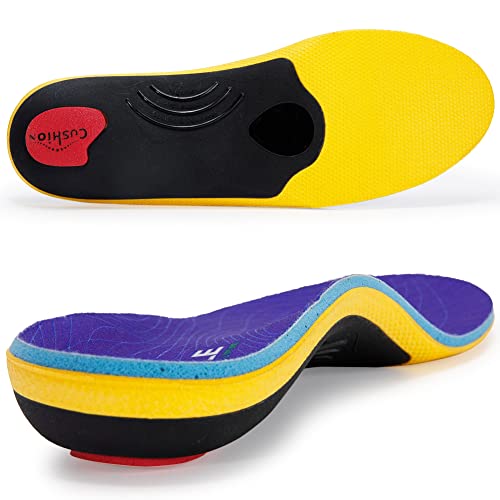
- Designed for users over 220 pounds
- Firm high-arch and heel support
- Trim-to-fit for boots and shoes
Best For: Heavy-duty support and extended standing
All-Day Comfort Pick
WalkHero Max Cushion Arch Inserts

- Contoured arch and deep heel cup
- Layered cushioning absorbs impact
- No trimming required
Best For: Daily standing, walking, and commuting
Thin Cushioning Pick
Spenco Rx Comfort Thin Insoles
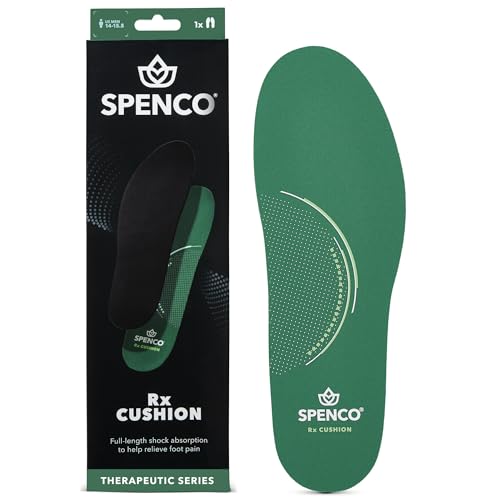
- Slim 0.17-inch full-length design
- Shock-absorbing Spencore cushioning
- Stretch fabric helps with blisters and odor
Best For: Low-profile comfort in snug shoes
Versatile Pain-Relief Pick
Dr. Scholl’s Advanced Orthotics

- Supports flat, standard, and high arches
- No measuring or trimming required
- Cushioning with moisture and odor control
Best For: All-day use across boots, sneakers, and dress shoes
Best for Easy Setup
Dr. Scholl's Heavy Duty Support Insole

- Designed for men over 200 pounds and wide feet
- Heel cushioning helps distribute pressure
- Trim-to-fit design for boots and shoes
Best For: Men over 200 pounds, taller users, and wide feet
High-Arch Workday Pick
WalkHero 220+lbs Pain Relief Insoles

- Built for users over 220 pounds
- Rigid nylon support for a stable stride
- Layered cushioning helps absorb impact
Best For: Men and women over 220 pounds with high arches
Flat-Foot Stability Pick
Dr. Scholl's Stability Support Insoles

- Supports low arches and fallen arches
- Stabilizing shell promotes balance and alignment
- Heel cup absorbs impact during walking
Best For: Women with flat feet, low arches, or overpronation
Custom Arch Fit
OUOKK 3/4-Length Arch Support Inserts

- Three arch-height options
- Slim TPU 3/4-length design
- Supports plantar fasciitis and shock absorption
Best For: Customizable support in tight or everyday shoes
Proven Heel Relief
Dr. Scholl’s Plantar Fasciitis Insoles for Men

- Targets plantar fasciitis and heel-spur pain
- Deep heel cup adds cushioning and stability
- Trim-to-fit full-length design for men’s sizes 8–13
Best For: Men needing heel-focused plantar fasciitis support
Heavy-Duty Spring Support
Dynamic Plantar Fasciitis Spring Insoles

- Five-spring shock-absorption system
- Firm support for flat feet and high arches
- Trim-to-fit, moisture-wicking design
Best For: Work boots, active use, and extended standing
Heavy-Duty Pick – VALSOLE High Arch Support Insoles
For shoppers comparing orthotic insoles under 50, the VALSOLE Heavy Duty Support Orthotics are designed for people who need firm, high-arch support and shock absorption. They are built for users over 220 pounds and can be trimmed for work boots, sneakers, hiking shoes, and other roomy footwear.
Best For: Heavy-duty support, high arches, plantar fasciitis concerns, and people who stand or walk for extended periods.
Pros:
- Designed for users over 220 pounds with rigid high-arch support.
- Poron heel padding and shock-absorbing construction help cushion each step.
- Trim-to-fit design works with boots, athletic shoes, and many everyday shoes.
Cons:
- The firm, very high arch may not suit users who prefer softer or lower-profile support.
- Trimming may be required for a proper fit in some shoes.
This is a practical choice when stability and weight distribution matter more than a thin, flexible feel. Its deep heel cup and firm structure provide substantial control, particularly for work footwear and extended standing.
All-Day Comfort Pick – WalkHero Max Cushion Arch Inserts
Among orthotic insoles under 50, WalkHero Arch Support Inserts stand out for combining a contoured, supportive shape with layered cushioning. Their deep U-shaped heel cup helps secure the foot, while the no-trimming design is convenient for work shoes, sneakers, casual footwear, and hiking shoes.
Best For: Workers, hikers, commuters, and anyone seeking firm arch support with substantial cushioning.
Pros:
- 3D contoured arch and deep heel cup help stabilize the foot.
- High-density EVA, foam layers, heel pads, and forefoot buffers provide shock absorption.
- No trimming is required; select the regular shoe size for a snug fit.
Cons:
- Firm orthotics may cause initial discomfort during the adaptation period.
- Best suited to roomy footwear rather than tight-fitting shoes.
WalkHero is a strong option for shoppers who want structured support without cutting the insert. Plan to begin with shorter wear periods, as the manufacturer recommends gradually increasing use over one to two weeks.
Thin Cushioning Pick – Spenco Rx Comfort Thin Insoles
Spenco Rx Comfort Thin Lightweight Cushioning Orthotic Shoe Insole, Women's 11-12.5/Men's 10-11.5
Check Price On AmazonFor those searching orthotic insoles under 50 that add cushioning without taking up much space, the Spenco Rx Comfort Thin Lightweight Insole offers a slim, full-length layer. Its Spencore cushioning material absorbs shock, while the stretch fabric is designed to help reduce blister friction and control odor.
Best For: Low-arch users who want lightweight, low-profile cushioning in shoes with limited interior room.
Pros:
- Thin 0.17-inch profile adds cushioning from heel to toe.
- Spencore material helps absorb shock and impact.
- Four-way stretch fabric supports blister comfort and odor control.
Cons:
- Provides cushioning rather than the pronounced arch structure found in firmer high-arch orthotics.
- The listed size range is limited to women’s 11–12.5 and men’s 10–11.5.
This Spenco model makes sense when preserving shoe space is a priority. It is a lightweight comfort insert for regular-foot shapes and low arches, rather than a bulky solution for substantial corrective support.
Versatile Pain-Relief Pick – Dr. Scholl’s Advanced Orthotics
Dr. Scholl’s Advanced Pain Relief Plantar Fasciitis Orthotic Insoles are a versatile choice among orthotic insoles under 50. They provide full-length support, triple-layer cushioning, moisture control, and a size-specific fit without measuring or trimming, making them suitable for boots, sneakers, dress shoes, and long days on your feet.
Best For: People seeking broad lower-body pain coverage, full-foot support, and a ready-to-wear insert for multiple shoe types.
Pros:
- Full-length support and energy return are designed to reduce foot fatigue.
- Supports flat, standard, and high arches without measuring or trimming.
- Triple-layer cushioning, moisture-wicking fabric, and odor control support all-day wear.
Cons:
- The listed size is limited to men’s 8.5–9 and women’s 9.5–10.
- The full-foot design may feel substantial in shoes with limited space.
This model is a convenient pick for shoppers who want broad compatibility and a quick fit. Its heavy-duty construction and stated support for users up to 340 pounds make it especially appealing for workdays involving prolonged standing or walking.
Best for Easy Setup – Dr. Scholl's Heavy Duty Support Insole
For shoppers comparing orthotic insoles under 50, this Dr. Scholl’s option is built specifically for men over 200 pounds, taller users, and those with wide feet. It combines medium arch support with targeted cushioning and a trim-to-fit design for work boots, sneakers, and other shoes.
Best For: Men over 200 pounds, tall users, and people with wide feet who need durable everyday support.
Pros:
- Designed for men weighing over 200 pounds and for wide feet.
- Heel cushioning surrounds the heel to help distribute pressure and reduce leg fatigue.
- Trim-to-fit format works with work boots, sneakers, and other shoes.
- Clinically proven and scientifically designed, according to the supplied product information.
Cons:
- Available in a men’s size range of 8–14, limiting fit options outside that range.
- The medium arch profile may not suit users seeking low- or high-arch support.
This is a practical choice when weight capacity, wide-foot compatibility, and durability matter more than a highly customized arch profile.
High-Arch Workday Pick – WalkHero 220+lbs Pain Relief Insoles
Among orthotic insoles under 50, the WalkHero 220+lbs model stands out for users who want firm high-arch support and cushioning for extended standing or walking. Its rigid nylon arch structure is paired with layered foam and heel cushioning for a supportive, shock-absorbing feel.
Best For: Men and women over 220 pounds who need high-arch support for work shoes, sneakers, casual shoes, or leather boots.
Pros:
- Designed for users weighing more than 220 pounds.
- Rigid nylon arch support helps provide a stable foundation.
- Layered EVA, OrthoLite, and PU cushioning supports shock absorption and comfort.
- Available in 12 sizes for use with several types of footwear.
Cons:
- High arch support may feel pressurized during the adjustment period.
- The manufacturer recommends gradually increasing wear over one to two weeks.
- The supplied listing identifies this product as a single count.
Choose this pair if you prefer a firm, high-arch design and regularly spend long periods on your feet; allow time to adapt before wearing it all day.
Flat-Foot Stability Pick – Dr. Scholl's Stability Support Insoles
For women seeking orthotic insoles under 50, these Dr. Scholl’s Stability Support Insoles focus on low arches, fallen arches, and overpronation. A stabilizing shell, arch support, and shock-absorbing heel cup are designed to promote steadier movement during daily activities.
Best For: Women with flat feet, low arches, or overpronation who want added stability and cushioning.
Pros:
- Designed to support flat feet and fallen arches.
- Motion-control stabilizing shell helps support balance, posture, and alignment.
- Shock-absorbing heel cup helps manage impact during walking.
- Durable design is intended for all-day daily use.
Cons:
- Women’s size range is limited to 6–10.
- The low-arch design may not be appropriate for high-arched feet.
- Its stability-focused construction may feel more structured than a basic comfort insole.
This model is a sensible fit for women prioritizing alignment and stability over a soft, minimal insert, particularly when flat feet or overpronation are the main concerns.
Custom Arch Fit – OUOKK 3/4-Length Arch Support Inserts
Among orthotic insoles under 50, these OUOKK inserts stand out for their choice of three arch heights. The 3/4-length TPU design is intended to provide support and shock absorption while taking up less room in the shoe than a full-length insole.
Best For: Shoppers who want adjustable arch-height options, compact 3/4-length support, and plantar fasciitis-focused cushioning.
Pros:
- Three arch heights allow a more personalized fit.
- 3/4-length construction fits many everyday, hiking, boot, and tighter shoes.
- Designed with a thickened arch, TPU cushioning, and a massage area for shock absorption and pressure dispersion.
Cons:
- The listed XL size is limited to men’s 9.5–10.5 and women’s 10–11.5.
- The high-arch version may not suit users who need lower or softer support.
- Users should identify their arch type and stop using the inserts if the fit is incorrect.
Choose these when shoe space and arch customization matter more than full-length coverage. Their slim 3/4 profile is practical for tight footwear, but careful sizing and arch selection are important.
Proven Heel Relief – Dr. Scholl’s Plantar Fasciitis Insoles for Men
For shoppers comparing orthotic insoles under 50, Dr. Scholl’s model focuses specifically on plantar fasciitis and heel-spur discomfort. Its full-length, trim-to-fit format combines arch support, pressure distribution, and a deep heel cup for everyday walking comfort.
Best For: Men seeking a full-length insole designed for plantar fasciitis-related heel pain, heel-spur discomfort, and arch support.
Pros:
- Designed to immediately relieve plantar fasciitis and heel pain.
- Deep heel cup provides cushioning and stability while helping manage heel pressure.
- Full-length design can be trimmed to fit men’s shoe sizes 8–13.
- Distributes pressure across the foot and supports multiple arch types, including high arches.
Cons:
- Available size range is limited to men’s 8–13.
- Full-length construction may require more shoe room than a 3/4-length insert.
- Listed as a single pair of insoles rather than multiple pairs.
This is a straightforward option for buyers who prioritize heel-focused plantar fasciitis support and a familiar trim-to-fit format. The deep heel cup and full-length coverage make it especially suited to roomy walking shoes.
Heavy-Duty Spring Support – Dynamic Plantar Fasciitis Spring Insoles
These Dynamic spring insoles are a heavy-duty choice among orthotic insoles under 50, combining a five-spring system with layered cushioning. They are built for users who want firm support for flat feet, high arches, plantar fasciitis, or demanding work-boot use.
Best For: Workers, nurses, runners, and active users seeking firm arch support, shock absorption, and moisture-wicking coverage for long wear.
Pros:
- Five medical-grade steel springs are designed to absorb heel-strike shock and return energy.
- Layered PU, PORON, and TPU components cushion the arch, forefoot, and heel.
- Supports flat feet, high arches, overpronation, plantar fasciitis, metatarsalgia, and heel pain.
- Trim-to-fit shape, moisture-wicking fabric, and a 90-day “Run Test” guarantee add practical versatility.
Cons:
- The firm spring structure may feel less flexible than foam or gel insoles.
- The supplied size is limited to men’s 6.5–7.5 and women’s 7.5–8.5.
- Its structured design may require a break-in period in some shoes.
Select this pair when durability, firm support, and impact management are higher priorities than a soft, low-profile feel. The spring construction is particularly suited to extended standing, work boots, and active use.
How We Picked the Best Orthotic Insoles Under 50
We focused on insoles that provide a clear benefit for common foot-support needs, including plantar fasciitis relief, arch support, cushioning, pressure distribution, and stability. The selection includes full-length and thinner designs, heavy-duty models for larger users or demanding work, and options made for women’s or men’s shoe sizing.
We also considered practical details such as trim-to-fit construction, compatibility with work boots and casual shoes, cushioning thickness, advertised weight capacity, and whether an insole is designed for a specific foot condition. Since comfort is personal, the best choice depends on your arch shape, footwear, and how long you stand or walk each day.
Quick Comparison
| Best For | What to Look For |
|---|---|
| Plantar fasciitis | Firm arch support, heel cushioning, and pressure distribution |
| Flat feet | Structured support that stabilizes the arch without excessive bulk |
| High arches | Contoured support paired with generous cushioning |
| Heavy-duty work | Durable materials, shock absorption, and a suitable weight rating |
| Dress or snug shoes | Thin, lightweight construction and a compatible shoe size |
Key Buying Factors for Orthotic Insoles Under $50
Arch Shape and Support
Match the insole to your foot rather than choosing the firmest option available. Flat-footed users often need stability, while high arches may feel better with cushioning that fills the arch naturally. A support that feels aggressively raised can cause discomfort if it does not match your anatomy.
Cushioning and Heel Control
Look for heel cups or shock-absorbing materials if you walk on hard floors, stand for long shifts, or experience heel pain. More cushioning is not always better, however; excessive thickness can crowd the foot and change the fit of the shoe.
Size, Trim, and Shoe Compatibility
Check the listed size range and whether the insole is intended to replace the shoe’s removable liner. Trim-to-fit models offer flexibility, but cutting too much can reduce coverage. Confirm that the finished insole leaves enough room for your toes and does not lift your heel out of the shoe.
Break-In and Replacement
Begin by wearing new orthotics for short periods and increase usage gradually. Replace them when the cushioning compresses, the support deforms, or symptoms return. Follow the manufacturer’s cleaning and replacement guidance.
Who Should Buy Which Orthotic Insoles Under 50?
Choose a plantar-fasciitis-focused model if heel pain is your main concern. Consider a stability-oriented design for flat feet or overpronation, and select a high-arch model when your feet need both contouring and cushioning. Heavy-duty options make the most sense for work boots, prolonged standing, or users who need stronger support. For narrow or low-volume footwear, a thin insole is usually easier to fit.
If pain is severe, persistent, or accompanied by numbness, swelling, or injury, consult a podiatrist rather than relying only on over-the-counter inserts. A professional can assess your gait and determine whether an insole, footwear change, or custom treatment is appropriate.