Cold ground can drain heat quickly, even inside a well-insulated sleeping bag. The right sleeping pad adds a protective layer between your body and the frozen earth while improving comfort and sleep quality.
We selected 10 sleeping pads for cold weather with a focus on insulation, portability, thickness, durability, and value. Use the guide below to match R-value, pad style, and packed size to your camping plans.
Best 10 Sleeping Pads for Cold Weather Picks for 2026
Expedition Warmth Pick
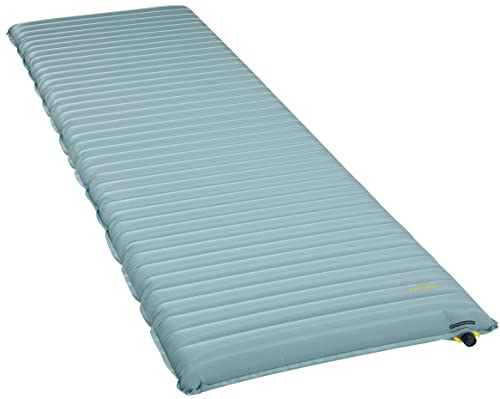
- 7.3 R-value for extreme conditions
- Roomy 25-by-77-inch, 3-inch profile
- Durable 70D shell with pump sack included
Best For: Cold-weather expeditions and broader sleepers
Luxury Car-Camping Pick
3.1-Inch Memory Foam Sleeping Pad

- 9.5 R-value for strong insulation
- Thick 50D memory-foam construction
- Wide 26.98-inch surface for comfort
Best For: Car camping and comfort-focused sleepers
Ultralight Extreme-Cold Pick

- 7.3 R-value in a 15.5-ounce pad
- Three-inch thickness for added cushioning
- Durable shell and cold-friendly WingLock valve
Best For: Ultralight winter backpacking
Value All-Season Pick

- 7.2 R-value for year-round insulation
- Four-inch thickness and 24-inch width
- Two-pound packable design with water-resistant shell
Best For: Versatile hiking and camping across seasons
Cold-Ready Comfort
Hikenture R6.2 Insulated Sleeping Pad

- ASTM-tested R-value of 6.2
- 3.2-inch thickness for cushioned support
- About 1.7 pounds with pump sack
Best For: Lightweight cold-weather backpacking and camping
Maximum Winter Insulation

- SGS-certified R-value of 9.0
- 4-inch profile for cushioned comfort
- Pump sack inflates in about 3–4 pumps
Best For: Winter camping and sleepers wanting maximum insulation
Ultralight Ground Barrier

- Weighs about 160 grams
- Reflective aluminum helps limit ground chill
- Large, waterproof foldable surface
Best For: Tent-floor insulation and lightweight supplemental warmth
Best Extreme-Cold Insulation
OGERY R-Value 9.0 Sleeping Pad

- R-value 9.0 for winter insulation
- 4.7-inch thickness adds cushioning
- Includes pump bag and carry bag
Best For: Winter camping and snow camping
Best Self-Inflating Versatility
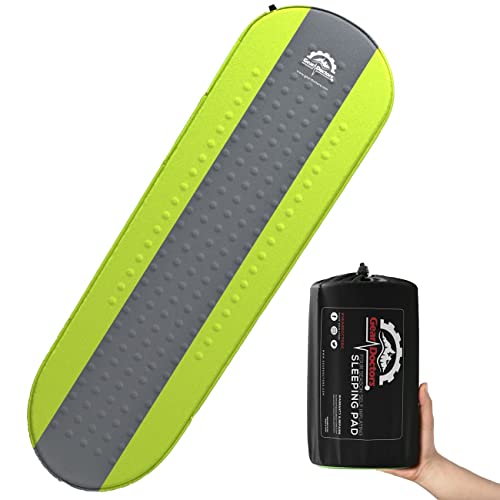
- 4.3 R-value hybrid foam core
- Self-inflates in under five minutes
- Compact 35.2-ounce design
Best For: Versatile hiking and four-season camping
Expedition Warmth Pick – NeoAir XTherm NXT MAX Large
Therm-a-Rest NeoAir XTherm NXT MAX Ultralight Camping and Backpacking Sleeping Pad, Neptune, Large
Check Price On AmazonFor shoppers comparing sleeping pads for cold weather, the Therm-a-Rest NeoAir XTherm NXT MAX Large prioritizes warmth, durability, and extra sleeping space. Its 7.3 R-value, three-inch thickness, and 25-inch-wide design suit demanding backcountry trips and extreme conditions.
Best For: Cold-weather backpackers, alpinists, and mountaineers who want a roomy, highly insulated pad.
Pros:
- 7.3 R-value combines ThermaCapture and Triangular Core Matrix insulation for cold-weather performance.
- Three-inch thickness and 25-by-77-inch dimensions provide substantial cushioning.
- 70D ripstop nylon bottom and WingLock valve support expedition use and freezing conditions.
- Includes a pump sack, stuff sack, and patch kit; packs down to roughly a one-liter bottle.
Cons:
- At 24 ounces, it weighs more than the regular-size version.
- The 25-inch width may take more tent floor space than a standard pad.
This is a strong choice when insulation and durability matter more than minimizing every ounce. The large format adds comfort for broader sleepers while retaining the compact air-pad design.
Luxury Car-Camping Pick – 3.1-Inch Memory Foam Sleeping Pad
If comfort and insulation are your priorities, this thick memory-foam model is a practical option among sleeping pads for cold weather. It uses high-density foam, measures 3.1 inches thick when inflated, and lists a 9.5 R-value for strong ground insulation.
Best For: Car camping, family camping, road trips, and guests who prefer a soft, supportive sleeping surface.
Pros:
- 9.5 R-value is designed to insulate against harsh ground conditions.
- Three-inch-plus thickness and 50D memory foam help distribute weight and reduce pressure points.
- 77-by-26.98-inch surface supports up to 800 pounds according to the supplied specifications.
- Skin-friendly stretch-knit fabric is breathable, tear-resistant, and quiet during sleep.
Cons:
- At 6.59 pounds, it is substantially heavier than backpacking-oriented air pads.
- Its thicker foam construction is better suited to vehicle-supported camping than long hikes.
- The listing describes self-inflation and storage steps that require several valve operations.
This pad trades portability for cushioning, width, and a very high stated R-value. It makes the most sense when you can transport it by car or need a comfortable spare mattress at home.
Ultralight Extreme-Cold Pick – NeoAir XTherm NXT Regular
Therm-a-Rest NeoAir XTherm NXT Ultralight Camping and Backpacking Sleeping Pad, Neptune, Regular
Check Price On AmazonThe regular Therm-a-Rest NeoAir XTherm NXT is built for backpackers who need sleeping pads for cold weather without a large weight penalty. Its 7.3 R-value and three-inch air-cell design provide substantial insulation, while the regular size weighs only 15.5 ounces.
Best For: Backpackers, alpinists, and mountaineers prioritizing low weight and cold-weather warmth.
Pros:
- 7.3 R-value is intended for extreme conditions and cold ground.
- At 15.5 ounces, it is notably light for a highly insulated pad.
- 70D ripstop nylon bottom improves resistance to punctures and extended wear.
- WingLock valve supports easy inflation and fast deflation, including in freezing conditions.
Cons:
- The 20-inch width is narrower than the MAX model.
- The 72-inch length may be short for taller sleepers.
- A pump sack is included, but the pad still requires inflation in camp.
This is the better fit for weight-conscious users who still expect serious insulation. Choose the MAX version instead if extra width and length are more important than saving ounces.
Value All-Season Pick – Trekology UL R7 Sleeping Pad
The Trekology UL R7 offers a balance of insulation, thickness, and portability for shoppers seeking sleeping pads for cold weather at a more versatile size and weight. It has a stated 7.2 R-value, four-inch thickness, and 24-inch width for support across three-season and colder camping conditions.
Best For: Hikers and campers wanting an insulated, comfortable pad for all-season use without expedition-specific features.
Pros:
- 7.2 R-value and insulated air chambers help reduce heat loss to the ground.
- Four-inch thickness helps prevent bottoming out and suits side and back sleepers.
- Weighs two pounds and packs to about the size of a water bottle.
- 40D ripstop nylon with TPU coating is water-resistant and tear-resistant.
Cons:
- The 70.8-inch length is best suited to sleepers up to about 5 feet 11 inches.
- No pump bag is included, so inflation is by mouth or with a separately purchased pump bag.
- Its 900-gram weight is higher than the lightest premium backpacking pads.
This pad is a practical middle ground: thicker and more insulated than basic summer mats, yet still compact enough for hiking. It is especially appealing for campers who value comfort and value over minimum trail weight.
Cold-Ready Comfort – Hikenture R6.2 Insulated Sleeping Pad
For shoppers comparing sleeping pads for cold weather, the Hikenture R6.2 combines tested insulation with a relatively light, compact design. Its 3.2-inch air structure provides cushioning, while the included pump sack helps simplify setup at camp.
Best For: Backpackers and campers seeking a lightweight inflatable pad for cold-weather trips.
Pros:
- ASTM-tested R-value of 6.2 with an aluminum insulation layer.
- 3.2-inch thickness helps provide support without bottoming out.
- Weighs about 1.7 pounds and includes a 40L pump-sack storage bag.
- Includes repair patches and a 12-month warranty.
Cons:
- Inflatable construction requires setup and care to avoid punctures.
- Its 78-by-25-inch size may feel narrower than a wider mattress.
The Hikenture is a balanced choice when warmth, packability, and comfort all matter. Its R-value and thickness suit cold-weather camping, while the pump-sack design keeps inflation practical for backpacking.
Maximum Winter Insulation – TOBTOS 4-Inch R9 Sleeping Pad
Among sleeping pads for cold weather, the TOBTOS stands out for its 9.0 R-value and extra-thick 4-inch profile. It is designed to limit heat loss on cold ground while giving sleepers a spacious, cushioned surface.
Best For: Winter campers who prioritize insulation and plush cushioning over minimum pack weight.
Pros:
- SGS-certified R-value of 9.0 for strong cold-ground insulation.
- 4-inch thickness helps distribute pressure and reduce bottoming out.
- Includes a pump sack and can inflate in about 3–4 pumps.
- Waterproof 40D nylon with a tear-resistant TPU coating.
Cons:
- At about 2.4–2.5 pounds, it is heavier than ultralight alternatives.
- The 72.8-inch length is shorter than some full-length sleeping pads.
The TOBTOS is the strongest insulation-focused option in this group. Its high R-value and thick construction make it particularly appealing for cold or winter camping, though hikers counting every ounce may prefer a lighter pad.
Ultralight Ground Barrier – Aluminum Foam Camping Mat
This foldable foam mat offers a simple, ultralight approach to sleeping pads for cold weather. Its aluminum surfaces reflect heat, while the waterproof EPE foam layer creates a basic barrier between a sleeping bag and cold ground.
Best For: Campers needing an inexpensive, lightweight tent-floor mat or supplemental thermal layer.
Pros:
- Extremely light at about 160 grams (5.65 ounces).
- Large 78.7-by-59-inch surface can cover a tent floor or serve as a thermal blanket.
- Waterproof aluminum-and-foam construction is easy to clean.
- Folds for transport and includes a carry pack.
Cons:
- At about 0.07 inch thick, it provides far less cushioning than inflatable pads.
- No stated R-value is provided, so its insulation is harder to compare directly.
- The broad sheet format may be less convenient for compact backpacking setups.
This mat is best viewed as a lightweight insulating ground layer rather than a plush standalone mattress. It can add warmth beneath a sleeping bag or pad, especially when low weight and easy folding are priorities.
Best Extreme-Cold Insulation – OGERY R-Value 9.0 Sleeping Pad
For shoppers comparing sleeping pads for cold weather, the OGERY stands out with a high R-value, thick cushioning, and a pump bag that helps keep moisture out during inflation. Its 4.7-inch profile is designed to add comfort on uneven ground without giving up portability.
Best For: Winter camping, snow camping, alpine trips, and backpackers who prioritize insulation.
Pros:
- R-value 9.0 and multi-layer reflective insulation support cold-weather use.
- 4.7-inch air-cell construction provides cushioning for side, back, and combination sleepers.
- Includes a lightweight pump bag and packs compactly for outdoor trips.
- 40D nylon with TPU coating offers abrasion resistance and waterproofing.
Cons:
- At 2.5 pounds, it is not the lightest option for minimalist backpacking.
- The single size measures 24 inches wide, which may feel narrow for some sleepers.
With its unusually high insulation rating and generous thickness, this is a strong choice when warmth and support matter more than achieving the absolute lowest pack weight.
Best Self-Inflating Versatility – Gear Doctors Oxylus 4.3
The Gear Doctors Oxylus is a practical pick among sleeping pads for cold weather if you want foam-backed cushioning and a simpler campsite setup. Its self-inflating design, 4.3 R-value, and compact packed size suit both backpacking and car camping.
Best For: Hikers, families, beginners, and campers wanting a self-inflating four-season mat.
Pros:
- Hybrid air-and-foam construction provides cushioning and insulation on uneven terrain.
- Self-inflates in under five minutes, with manual adjustment available afterward.
- Packs to about 8 by 12 inches and weighs 35.2 ounces.
- 75D coated polyester shell is described as water-resistant, leak-proof, and abrasion-resistant.
Cons:
- At 1.5 inches thick, it offers less loft than the thicker air pads in this roundup.
- The listed 4.3 R-value provides less cold-weather insulation than higher-rated alternatives.
- At nearly 2.2 pounds, it may be heavy for ultralight backpacking.
The Oxylus balances convenience, durability, and four-season capability, making it a well-rounded option when self-inflation and easy packing are more important than maximum insulation.
Best Plush Comfort – Memory Foam R-Value 9.5 Pad
This foldable memory-foam mattress is one of the more comfort-focused sleeping pads for cold weather, combining a claimed R-value of 9.5 with high-density foam and a quiet stretch-knit surface. It is designed for campers who want a supportive, bed-like feel rather than an ultralight setup.
Best For: Car camping, RV travel, tent camping, and sleepers who prefer thick memory-foam cushioning.
Pros:
- High-density and high-resilience foam contour to the body and help distribute weight.
- R-value 9.5 is intended to provide strong insulation in winter and other seasons.
- Folds to 12.5 by 8.5 inches and includes a built-in foot-pump inflation system.
- 50D stretch-knit fabric with waterproof TPU coating is described as quiet, breathable, and tear-resistant.
Cons:
- At 3.85 pounds, it is substantially heavier than minimalist backpacking pads.
- Although it self-expands quickly, finishing inflation requires additional foot-pump use.
- The supplied notes do not specify the fully inflated dimensions or thickness.
Choose this model when sleeping comfort, quiet fabric, and high insulation take priority over low weight. Its foldable format also makes it practical for vehicles, RVs, and occasional guest use.
How We Picked the Best Sleeping Pads for Cold Weather
We focused on the specifications that matter most in low-temperature camping: insulation, stated R-value, thickness, packed weight, inflation style, construction, and intended use. The selection includes ultralight backpacking pads, thick air mattresses, self-inflating designs, foam mats, and budget-friendly options.
Because comfort and portability involve trade-offs, no single pad is ideal for every sleeper. A compact high-R-value pad may suit winter backpacking, while a thicker model can be preferable for car camping or side sleepers.
Quick Comparison: Cold-Weather Sleeping Pad Features
| Feature | What to look for | Best suited to |
|---|---|---|
| High R-value | Generally R-value 5 or higher for sustained cold conditions | Winter camping and snow trips |
| Thick air construction | About 3 to 4 inches or more for cushioning | Side sleepers and car campers |
| Foam or self-inflating design | Added stability and reliable insulation | Campers who prioritize comfort |
| Low packed weight | Compact, lightweight materials and efficient inflation | Backpacking and long carries |
Key Buying Factors for Sleeping Pads for Cold Weather
R-Value and Insulation
R-value measures resistance to heat loss through the pad. Higher numbers generally provide better insulation from cold ground. For shoulder-season trips, an R-value around 4 may be adequate, while winter camping often calls for roughly 5 or more. Ratings are most useful when comparing pads tested under similar standards.
Thickness and Sleeping Position
Thicker pads can cushion hips and shoulders more effectively, especially for side sleepers. However, extra height may increase weight, bulk, and susceptibility to movement. Consider both comfort and how far you will carry the pad.
Weight, Packed Size, and Durability
Backpackers should check the pad’s packed dimensions and weight rather than judging portability by product photos. Look for robust materials, a dependable valve, and a repair kit or repair guidance. A slightly heavier pad may be worthwhile for frequent use or rough tent floors.
Inflation and Noise
Air pads usually offer the best warmth-to-weight ratio but require inflation and can produce crinkling sounds. Self-inflating and foam options are simpler and often quieter, though they may pack larger.
Who Should Buy Which Sleeping Pads for Cold Weather?
For Winter Backpackers
Choose a lightweight pad with a high R-value, compact pack size, and efficient valve. The Therm-a-Rest NeoAir XTherm models are aimed at users who value warmth with minimal carried weight.
For Comfort-Focused Campers
Thicker 4-inch-class pads from brands such as TREKOLOGY, TOBTOS, Hikenture, and OGERY can provide more cushioning for side sleeping and relaxed car-camping setups.
For Budget-Conscious or Backup Use
Foam and reflective mats are affordable, quiet, and easy to deploy. They can work well in mild conditions or as supplemental insulation beneath another pad, but their comfort and packability may be more limited.
For Simple Setup
Self-inflating memory-foam designs, including options from Gear Doctors and other listed brands, are useful when convenience and cushioning matter more than minimum weight. Always confirm the manufacturer’s temperature guidance and R-value before using any pad in severe cold.